



The Two Great Sugar Annoyances
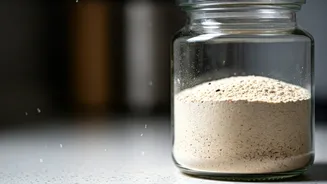
Storing sugar, whether it's granulated white or soft brown, presents two main challenges for the home cook. The first is pests. Sweet-to-othed ants, in particular, are notorious for finding their way into even the most tightly sealed containers, ruining
an entire supply. Ants navigate using pheromone trails left by scouts, and a sugar jar is a prime destination. The second issue, primarily affecting brown sugar, is hardening. Brown sugar gets its soft, moist texture from a coating of molasses. When exposed to air, the moisture in the molasses evaporates, causing the sugar crystals to stick together and form a rock-hard lump that's impossible to scoop.
The Simple Clove Solution
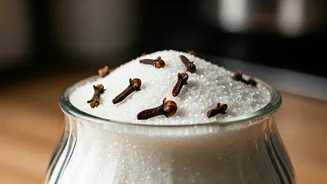
The hack itself is incredibly simple: place a few whole dried cloves directly into your sugar container. For a standard-sized sugar jar, five to six whole cloves are usually sufficient. This time-tested trick has been passed down through generations, particularly in Indian households where it's a well-known 'dadi-ma' (grandmother) hack. It's a natural, chemical-free way to protect one of your most essential pantry staples using an ingredient you likely already have on hand. The goal is to make the environment inside your sugar container inhospitable to pests without affecting the sugar itself.
Why This Hack Works So Well
The magic of this hack lies in the potent power of cloves. These aromatic flower buds contain a high concentration of a compound called eugenol. While many people find the warm, spicy scent of cloves pleasant, it is intensely repulsive to many insects, especially ants. The strong aroma of the cloves masks the sweet smell of the sugar and disrupts the chemical trails that ants use to communicate and navigate, effectively confusing them and encouraging them to look elsewhere for a meal. This makes cloves a powerful, natural pest repellent for your pantry. While cloves are a champion against pests, their role in preventing sugar from hardening is less direct. Brown sugar hardens due to moisture loss, not pests. The primary solution for hardened brown sugar is to keep it in an airtight container and introduce a source of moisture, like a terra-cotta disk, a slice of bread, or an apple slice, which will soften the sugar over a day or two. Therefore, think of the clove hack as your first line of defence against ants, while proper storage is your tool against clumping.
Will My Sugar Taste Like Cloves?
This is the most common and valid question when adding a fragrant spice to a neutral ingredient like sugar. The answer, thankfully, is no—as long as you use whole cloves. When you add a few whole, uncrushed cloves to a large volume of sugar, the scent is powerful enough to deter ants but not potent enough to infuse the sugar crystals with a noticeable clove flavour. The flavour compounds are largely locked within the dried bud. Ground cloves, on the other hand, would distribute their flavour much more readily and are not recommended for this purpose. So, stick to whole cloves, and your morning coffee or next baking project won't have an unexpected spicy note.
Other Natural Pantry Protectors
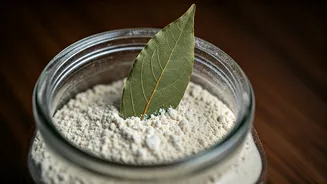
Cloves are not the only spice that can stand guard in your pantry. Several other common kitchen ingredients have pest-repelling properties. Bay leaves are excellent for deterring weevils and pantry moths; simply place a few leaves on your shelves or in containers of flour and grains. Cinnamon, either as a powder sprinkled in a line or as a whole stick, is also a powerful ant repellent due to its strong smell. A clean pantry is your best defence. Wiping down shelves with a solution of vinegar and water can help erase existing pheromone trails, making it harder for pests to return. For a more direct approach against an existing ant problem, you can place cotton balls soaked in peppermint oil in corners or near entry points to create a barrier they find unpleasant.