


Why a Pre-Event Check Matters
Heavily embellished garments are often the stars of our wardrobes, reserved for special occasions. But those beautiful beads, sequins, and crystals can be delicate. Movement, friction against a chair or handbag, and even improper storage can weaken the threads
or adhesives holding them in place. A missing embellishment not only looks untidy but can also lead to a cascade effect—if one bead on a single thread comes loose, it can take its neighbours with it. Taking ten minutes to check your garment before you leave home provides peace of mind and ensures your outfit looks as perfect at the end of the night as it did at the beginning.
Your Wardrobe Rescue Toolkit
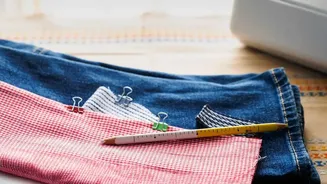
You don't need to be a professional tailor to perform these checks and fixes. Most repairs can be done with a few simple items you likely already have. Assemble a small kit containing: a needle thin enough to pass through tiny beads, thread that matches your garment's fabric (or clear thread), a pair of small scissors, and a quality fabric glue that dries clear. Products like Gem-Tac or E6000 are excellent for securing stones, while a simple dab of clear nail polish can be a lifesaver for stopping a thread from unravelling at the knot. For inspecting tiny threads, a magnifying glass can be a huge help.
The Inspection: Beads and Sequins
Lay the garment flat under good lighting. Visually scan for any areas that look sparse or have obvious gaps. Turn the garment inside out to examine the stitching on the reverse side. You can often see loose loops or long threads that indicate a potential problem. Gently run your hand over the embellished areas; you may feel a loose component before you see it. Give a very gentle tug on a few individual sequins and beads in high-friction zones like the underarms, waist, and cuffs. If they wiggle excessively, they need reinforcement. Pay close attention to the type of stitching; some sequins are attached one by one, while others are stitched in a continuous line, which can unravel quickly if the thread breaks.
Quick Fixes for Loose Threads
If you find a loose thread holding a bead or sequin, the fix is often simple. If you can access the back, pull the loose thread through and tie a few secure knots, then dab it with a tiny amount of clear fabric glue or nail polish to lock it in place. For a single loose sequin, you can pass a threaded needle up from the back, through the sequin, through a tiny seed bead, and then back down through the sequin and fabric. The seed bead acts as a stopper. For glued-on embellishments that have come loose, carefully apply a tiny dot of strong fabric glue like E6000 or Fabri-Tac with a toothpick and press the stone back into place, ensuring no glue seeps out around the edges.
Handling Heavier Embellishments
Larger items like crystals, studs, or appliqués are often attached with glue or metal prongs. With glued items, check for any peeling or lifting at the edges. If you find any, carefully lift the edge and apply a small amount of fresh fabric glue underneath before pressing it down firmly to re-secure. For prong-set jewels, inspect the metal clasps on the reverse side of the fabric. If any prongs feel loose, you can gently press them down with a pair of flat-nosed pliers to tighten their grip on the crystal. Be careful not to apply too much pressure, which could crack the embellishment.
Long-Term Care for Lasting Sparkle
Proper care is the best prevention. Always follow the garment's care label. When possible, hand-wash embellished items inside-out in cool water with a mild detergent and never wring them out. Avoid machine washing if possible, but if you must, use a delicate cycle and place the garment in a mesh laundry bag to prevent snagging. Never put embellished clothing in a tumble dryer, as the heat can melt sequins and weaken adhesives. To store, fold garments flat with tissue paper instead of hanging them, which can cause the fabric to stretch under the weight of the beads. Storing them in a breathable garment bag also protects them from dust and friction in your closet.