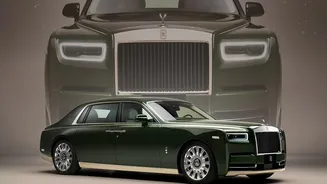







From Runway to Resume: What Is 'Quiet Luxury'?
First, let’s define the term. 'Quiet luxury' is an aesthetic that prioritizes quality, craftsmanship, and timelessness over conspicuous logos and fleeting trends. Think of a perfectly tailored blazer made from exceptional fabric, rather than a jacket
covered in brand monograms. The value is inherent in the object itself, not in the logo it displays. In personal branding, this translates to a philosophy of 'show, don't tell'. It rejects aggressive self-promotion in favor of understated authenticity and deep substance. It’s a shift from broadcasting achievements to embodying them, signaling worth through subtle cues that only a discerning audience—in this case, high-budget clients—will recognize and appreciate.
The LinkedIn Profile as a Digital Power Suit
Your LinkedIn profile is often the first place a potential client will vet you. Treating it like a digital resume is a common mistake; instead, it should function as a strategic marketing asset. A 'loud' profile might be cluttered with buzzwords, endless self-congratulatory posts, and a headline that screams sales pitches. The quiet luxury approach is different. It positions the profile as a calm, authoritative, and value-focused space. The goal isn't to be seen by everyone, but to be recognized by the right people. This is achieved through precision and restraint, ensuring every element of your profile—from your photo to your posts—contributes to a narrative of quiet confidence and expertise.
The Psychology of Understated Excellence
Why does this understated approach work so well with high-budget clients? The psychology is rooted in trust and perceived security. Loud, constant self-promotion can sometimes signal neediness or insecurity, which is off-putting to clients seeking a stable, expert partner. Quiet luxury, conversely, suggests confidence. It implies your work and reputation are so strong they don't require shouting. Research shows that elite consumers often prefer subtle signals that function as in-group identifiers. This creates a sense of exclusivity and shared understanding. When a client sees a profile that focuses on providing value and demonstrating impact rather than just listing accolades, it builds credibility and suggests a partnership based on substance, not sizzle.
How to Cultivate Quiet Luxury on Your Profile
Applying this concept is a matter of strategic refinement. Start with your headline. Instead of a generic title, frame it around the value you provide to your ideal client. For example, “Helping SaaS companies reduce churn through customer-centric strategies” speaks more powerfully than “CEO & Founder.” Your profile photo should be professional yet natural, conveying approachability without being overly casual. In your 'About' section, tell a concise story focused on impact and results. Use client testimonials and measurable achievements to show your competence. The content you share should be genuinely useful to your target audience—think insightful analysis, thoughtful commentary, and helpful resources, not constant sales pitches. The overall effect should feel intentional, calm, and effortlessly authoritative.
Substance Over Sizzle: The Ultimate Power Move
In an economy where audiences are fatigued by constant marketing, quiet brand signals earn trust where loud ones just buy attention. This is especially true for high-stakes consulting and client work. High-budget clients aren’t just buying a service; they are investing in a partner they can trust to solve a significant problem. They look for evidence of critical thinking, consistency, and a focus on delivering results. A LinkedIn presence built on the principles of quiet luxury does exactly that. It filters for clients who appreciate depth and are willing to pay for genuine expertise. It moves the conversation away from price and toward value, establishing you not as a vendor vying for attention, but as an authority who commands it.