







Why Rain Creates a Recipe for Risk
The Indian monsoon is a welcome relief from summer, but it creates a challenging environment for food safety. The combination of high humidity and warm temperatures is a paradise for bacteria like E. coli, Salmonella, and Staphylococcus aureus, allowing
them to multiply rapidly. Food that might stay fresh for hours in dry weather can spoil much faster. Furthermore, heavy rains can lead to contaminated water supplies as sewage and runoff seep into pipes and reservoirs. This tainted water can be used for cooking, washing vegetables, or preparing chutneys and drinks, introducing pathogens directly into the food chain. For restaurants, this means raw ingredients are more susceptible to contamination, and kitchens must work harder to combat the pervasive dampness that encourages microbial growth on every surface.
The Dangers of Reheated Food
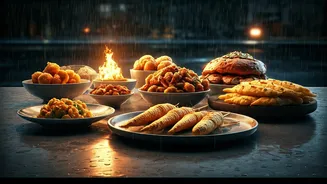
The allure of a quick, hot meal is strong, but food that has been pre-cooked and then reheated carries specific risks, especially during the monsoon. When cooked food is left to cool at room temperature, it can enter the 'danger zone'—between 5°C and 60°C—where bacteria thrive. Certain bacteria, like Bacillus cereus, often found in rice and other starchy foods, can produce heat-resistant toxins. This means that even if the food is reheated to a high temperature, killing the bacteria, the toxins they've already produced can remain, capable of causing vomiting and diarrhea. Staphylococcus aureus is another culprit that produces heat-stable toxins in foods that have been handled improperly and left out. Opting for dishes cooked fresh to order significantly reduces this risk, ensuring your meal hasn't spent hours in the bacterial danger zone.
What a Responsible Restaurant Looks Like
A safe restaurant takes extra precautions during the monsoon. According to guidelines from the Food Safety and Standards Authority of India (FSSAI), hygiene is paramount. This includes using clean, potable water for all cooking, washing produce thoroughly, and maintaining impeccable kitchen sanitation. Responsible kitchens will prioritize sourcing fresh ingredients daily rather than stockpiling items that can spoil in the humidity. They also adhere to strict temperature controls, keeping cold foods properly chilled and hot foods piping hot. Look for establishments that appear clean and are busy with customers—a high turnover suggests that food is being prepared fresh and not sitting around. An open kitchen can also be a good sign, offering transparency into their hygiene practices. FSSAI also encourages consumers to look for certified vendors where possible.
Your Checklist for Safe Monsoon Dining
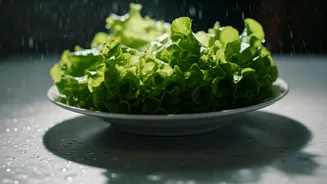
As a diner, you have the power to make safer choices. The first rule is to always choose freshly cooked, hot food. Dishes like steaming soups, freshly made curries, or tandoori items served straight from the heat are generally safer bets. Be wary of foods that involve raw ingredients, such as salads, uncooked chutneys, raita, and pre-cut fruit platters, as these can carry a higher risk of contamination. Street food, especially items like pani puri where untreated water may be used, should be approached with extreme caution. Always wash your hands before eating. If a place looks unclean or the food doesn't seem fresh, it's better to trust your instincts and go elsewhere. Your digestive system will thank you for being cautious.