






In a world dominated by keyboards and screens, our wrists often bear the silent burden of repetitive strain. This simple guide introduces a foundational movement for enhancing joint mobility, improving flexibility, and building resilient wrists.
What Is the Wrist Rolling Exercise?
The wrist
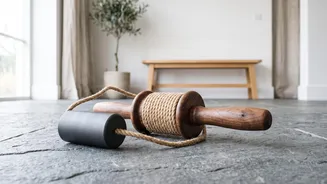
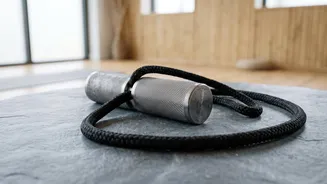
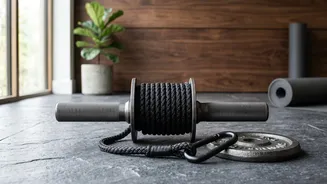
rolling exercise, sometimes referred to by various names including African wrist rolling, is a fundamental mobility drill focused on the controlled, circular motion of the wrist joint. While the specific 'African' designation may point to its roots in traditional wellness or martial practices, the movement itself is universally recognized for its benefits. The core of the exercise involves isolating the wrist and moving it through its full range of motion. It can be performed without any equipment, making it an accessible tool for anyone looking to improve their wrist health. More advanced variations incorporate a wrist roller device, which adds resistance to build forearm strength and endurance.
The Core Benefits for Joint Mobility
The primary advantage of wrist rolling is its powerful impact on joint mobility and flexibility. The gentle, circular motion helps lubricate the wrist joint by stimulating the production of synovial fluid, which acts as the body's natural lubricant, reducing stiffness and improving movement. Regular practice can significantly enhance your range of motion, making everyday tasks easier and less strenuous. Furthermore, this exercise helps to stretch and strengthen the complex network of muscles and tendons in the forearms and wrists, which is crucial for preventing common injuries like sprains and strains.
A Step-by-Step Beginner's Guide
For beginners, the focus should be on mastering the form without any weight or resistance. This ensures you build a strong foundation and mind-muscle connection. Here is how to perform a basic wrist roll:
1. Find Your Stance: Stand or sit comfortably with a straight back. Extend one arm straight out in front of you, parallel to the floor, with your palm facing down. Keep a slight bend in the elbow to avoid locking the joint.
2. Begin the Roll: Slowly and deliberately, begin to draw a large circle with your hand, using only your wrist. Imagine you are drawing a circle on a wall with your fingertips. Your arm and shoulder should remain as still as possible.
3. Complete the Circle: Move your hand down, then across, then up, and back to the starting position to complete one full rotation. The movement should be slow and controlled, not fast or jerky.
4. Reverse Direction: After completing 10-15 rotations in one direction (e.g., clockwise), reverse the movement and perform the same number of rotations in the opposite direction (counter-clockwise).
5. Switch Arms: Once you have completed the set on one arm, repeat the entire process with the other arm.
Proper Form and Common Mistakes to Avoid
To get the most out of this exercise and prevent injury, paying attention to form is critical. Here are some common mistakes to watch out for:
Moving Too Fast: The benefit comes from slow, controlled movement. Rushing through the circles uses momentum rather than muscle control.
Involving the Arm or Shoulder: A very common mistake is to move the entire arm instead of isolating the wrist. If you notice your elbow or shoulder moving, slow down and reduce the size of your circle until you can perform the movement correctly.
Ignoring Pain: You should feel a gentle stretch, not sharp pain. If you experience pain, stop the exercise immediately. It could indicate an underlying issue that requires professional medical advice.
Forgetting to Breathe: Hold a steady breathing pattern. Inhale as you begin the circle and exhale as you complete it. This helps keep your body relaxed and focused.
Integrating Wrist Rolls Into Your Routine
The beauty of this exercise lies in its simplicity and versatility. It can be done almost anywhere and at any time. Consider incorporating it as a quick two minute break from typing at your desk to alleviate stiffness. It also serves as an excellent warm up before activities that heavily involve the wrists, such as weightlifting, yoga, tennis, or playing a musical instrument. Performing a few sets in the morning can help reduce stiffness, while doing them before bed can aid in recovery. Consistency is key; a few minutes each day will yield far better results than one long session per week.