

The Monsoon Menace for Urban Gardens
For city dwellers, a balcony is a precious slice of nature. However, the same monsoon rains that rejuvenate the land can be devastating for container gardens. The primary threats are threefold: intense downpours cause waterlogging in pots, leading to
root rot; the force of the rain can physically damage delicate leaves and flowers; and strong winds can topple pots and snap stems. Overwatering is a significant danger, as container plants have limited drainage compared to those in the ground. This excess moisture can also strip essential nutrients from the soil and create a breeding ground for fungal diseases.
Understanding Modular Protection
So, what exactly is “modular” rain protection? Think of it not as a single, permanent roof, but as a system of adaptable, often non-permanent components you can add, adjust, or remove as needed. This approach is perfect for the varied needs of a balcony garden and is often friendly to renters. The goal is to shield plants from the worst of the downpour while still allowing for light and air circulation. These solutions can range from simple DIY covers to more structured, professionally installed systems. The key is flexibility, allowing you to respond to changing weather without major construction.
Key Modular Solutions to Consider
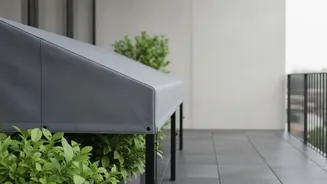
Several types of modular systems can be adapted for balcony use. Retractable awnings, which can be extended during heavy rain and pulled back on sunny days, offer fantastic flexibility. For a more structured but still adaptable solution, clear or translucent polycarbonate sheets mounted on a simple frame can act as a roof, blocking rain without sacrificing sunlight. Another popular option involves waterproof shade cloths or heavy-duty tarps, which can be secured with ropes or zip ties to create a temporary canopy. For vertical protection against wind-driven rain, options like bamboo screens or transparent PVC roller blinds are highly effective and can be rolled up or down as needed.
Beyond Covers: Drainage Is Everything
Simply covering your plants is only half the battle. Effective drainage is non-negotiable for surviving the monsoon. Start with your pots: ensure they have ample drainage holes at the bottom. Elevating your pots on stands, bricks, or 'pot feet' is a simple but crucial step that allows excess water to escape freely and prevents the drainage holes from getting clogged. The soil you use also plays a major role. Opt for a light, well-draining potting mix, often containing cocopeat, compost, and perlite, which prevents soil from becoming a soggy, compacted mass. Avoid heavy, clay-based soils that retain too much moisture.
Choosing the Right Setup for Your Balcony
The best solution depends on your specific needs. Consider your balcony's size, its orientation (south-facing balconies may get more direct rain), and your budget. Simple DIY options using tarps and PVC pipes can be very effective and budget-friendly. For a more durable and aesthetic solution, retractable awnings or professionally installed PVC blinds might be a better long-term investment. Before installing any significant structure, it’s also wise to check your building society’s regulations. Grouping smaller pots together in a more sheltered part of the balcony can also provide mutual protection from the elements.