




A Quiet Revolution in Colour
Across Mumbai, Delhi, and Bengaluru, a significant interior design trend has taken root, transforming city apartments and houses into serene sanctuaries. Homeowners are increasingly trading in bold, bright hues for a more subdued and nature-inspired palette.
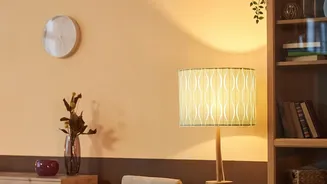
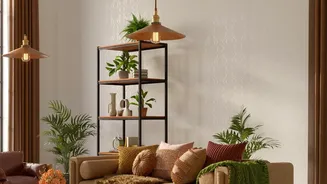
Think warm terracotta, muted olive and sage green, sandy beige, and rich clay browns. This move, which designers are calling “warm minimalism,” is a direct response to our increasingly digital and hectic lives. It’s a departure from stark, cold interiors, favouring spaces that feel personal, calming, and deeply comforting. Instead of rooms designed to impress, the focus is now on creating environments that nurture and restore, providing a visual and psychological escape from the urban chaos outside.
The Psychology of a Grounded Home
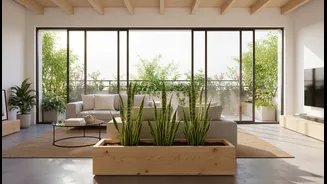
So, why this collective turn towards the earth? The trend is deeply linked to a growing emphasis on wellness and mental clarity. Earthy tones have a proven calming effect, connecting us to the natural world even in a high-rise building. Shades of brown and beige evoke feelings of stability and security, while soft greens are associated with renewal and tranquility, helping to reduce stress. This intentional use of colour to create a soothing atmosphere is a core principle of biophilic design, which seeks to integrate nature into our built environments. After years spent indoors, many are seeking to make their homes a true refuge, and this nature-inspired palette provides the perfect foundation for a peaceful, restorative living space.
A Modern Nod to Indian Tradition
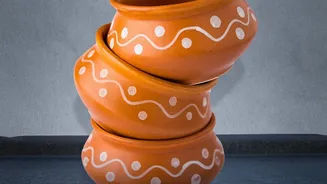
While this palette feels refreshingly modern, it is also a beautiful homecoming for Indian design. These are the colours woven into our heritage: the rust and ochre of temple walls, the deep brown of handcrafted wooden furniture, the unglazed terracotta of a simple matka, and the rich red of oxide floors seen in ancestral homes. For centuries, Indian homes have used pigments derived from the local landscape, chosen for both their aesthetic appeal and practical benefits, like keeping interiors cool. Today’s trend is not an import but a reinterpretation of this timeless wisdom, blending the raw, organic beauty of traditional Indian materials with contemporary clean lines and uncluttered layouts.
More Than Just Paint: Texture and Materials
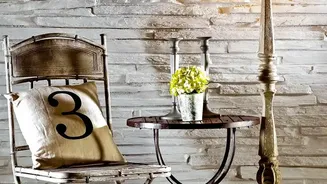
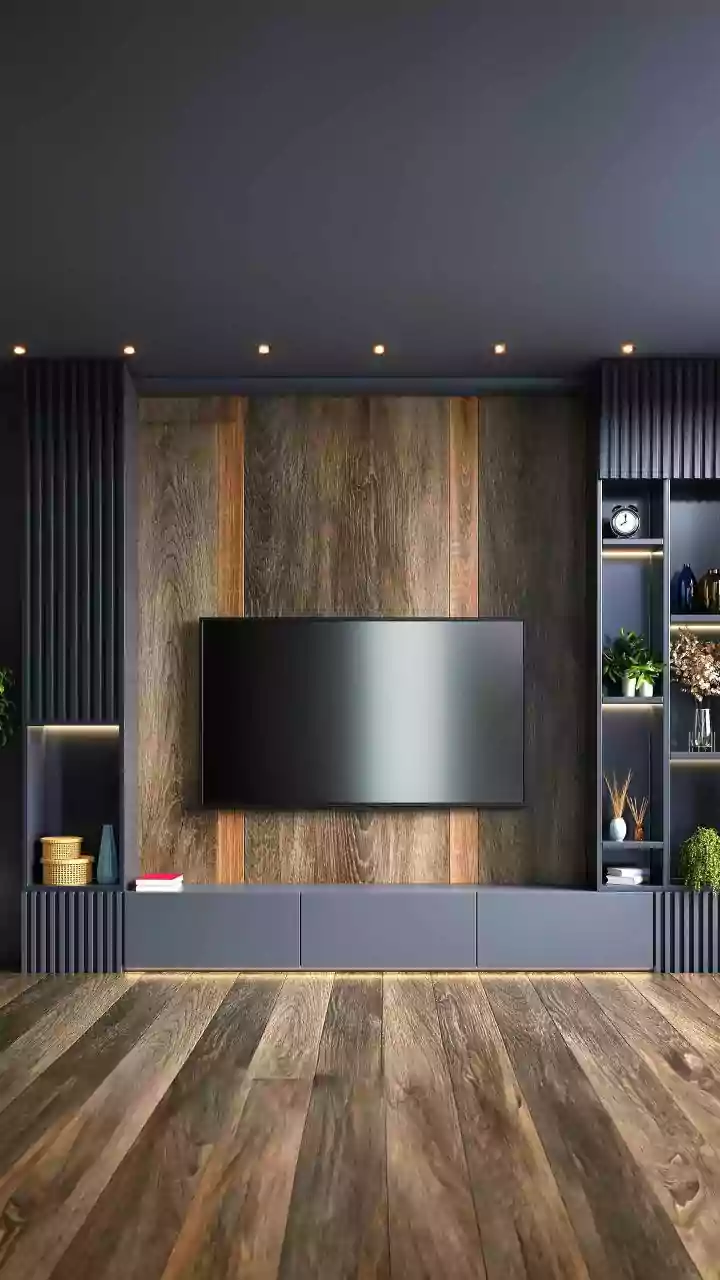
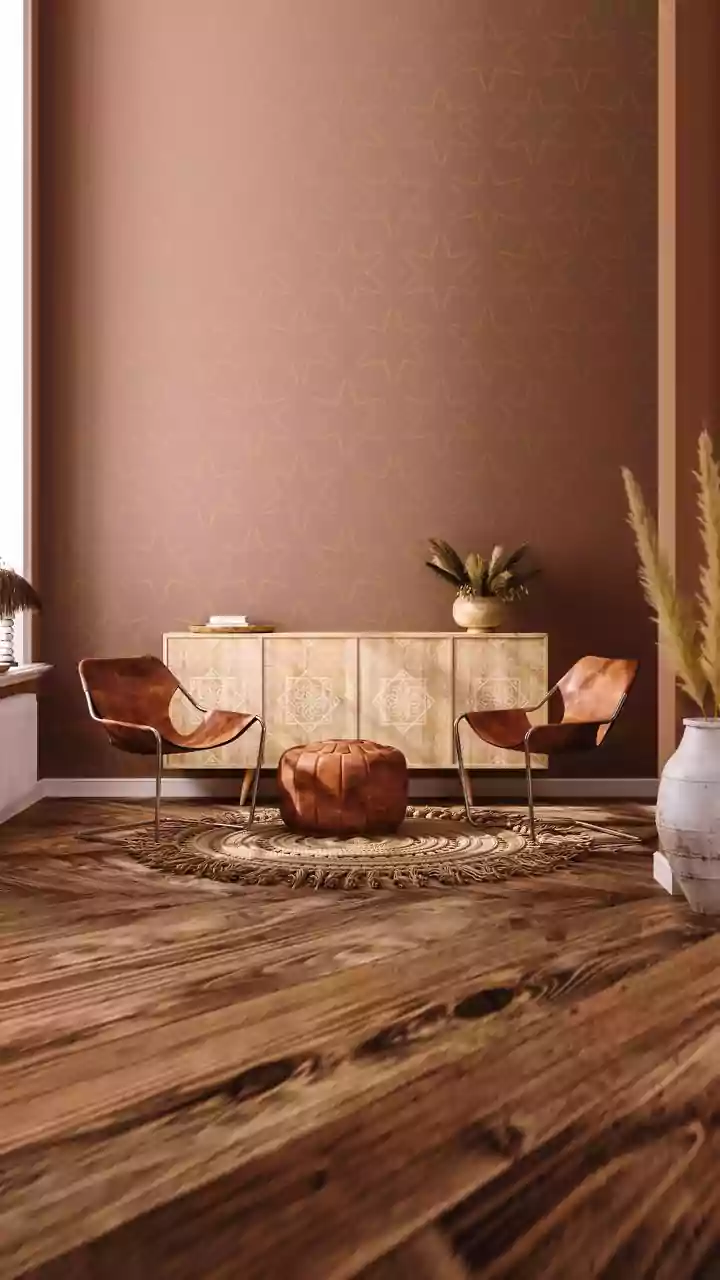
Achieving this earthy look goes far beyond the colour on the walls. Texture is an essential co-star. The trend comes alive through the use of natural, tactile materials that engage the senses. Think furniture made from raw or reclaimed wood, jute and sisal rugs underfoot, and rattan or cane accents in chairs and cabinets. On the walls, matte or limewash finishes are preferred over high-gloss paints, as they absorb light softly and add a sense of depth. In textiles, the focus is on natural fabrics like linen, raw cotton, and muslin in neutral, earthy shades. These layers of texture work together to create a space that feels rich, warm, and authentically lived-in.
Bringing the Earthy Palette Home
Incorporating this trend doesn't require a complete overhaul. You can start small to great effect. Introduce terracotta or olive green through cushion covers, throws, or a statement vase. If you’re ready for a bigger change, consider an accent wall. A single wall behind a sofa or bed painted in a warm terracotta can instantly make a room feel more intimate and inviting. Remember to balance these deeper tones with a generous amount of light neutrals like warm beige, sand, or ivory to keep the space from feeling too dark. Finally, lighting is crucial. Use warm-toned LED lights (around 2700K-3000K) in the evenings to enhance the cosy, glowing quality of your new earthy palette.