






In a significant move to bolster ties with Southeast Asia, India has announced a plan to offer no-fee tourist e-visas to citizens from all 11 ASEAN member states, a strategic decision aimed at boosting both tourism and diplomatic goodwill.
A Grand Welcome to Southeast Asia
Indian Prime
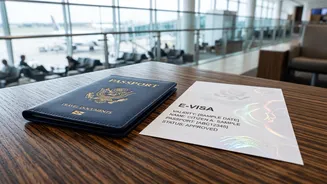
Minister Narendra Modi unveiled the proposal during the 23rd India-ASEAN Summit in Manila, Philippines, on November 17, 2026. The plan targets the full slate of ASEAN member nations: Brunei, Cambodia, Indonesia, Laos, Malaysia, Myanmar, the Philippines, Singapore, Thailand, Vietnam, and its newest member, Timor-Leste. It is important to distinguish this from visa-free travel; the proposal would remove the government fee for an electronic tourist visa, but travellers would still need to complete the online application process. Currently, visa fees for a 30-day Indian e-visa can range from $10 to $25, depending on the season and nationality. This initiative aims to streamline travel and eliminate a key cost barrier for hundreds of millions of potential visitors.
More Than Just a Tourism Push
While the immediate effect is on tourism, the visa waiver is a cornerstone of India's broader 'Act East' policy. This long-term strategy, an evolution of the 'Look East' policy from the 1990s, aims to deepen economic, strategic, and cultural relationships with nations in Southeast and East Asia. By making travel more accessible, India hopes to foster stronger people-to-people connections, which are seen as a vital component of modern diplomacy. The announcement was made alongside other proposed collaborations, including joint initiatives in maritime security, disaster management, and even a space hackathon, signalling a multi-faceted approach to strengthening its comprehensive strategic partnership with the regional bloc.
The Expected Economic and Diplomatic Gains
The potential upside for India is significant. Easier visa access is expected to lead to a surge in tourist arrivals from the ASEAN region, which is already a key source market, particularly for India's Buddhist pilgrimage circuits. In 2025 alone, India welcomed over 800,000 visitors from ASEAN countries. An increase in visitors translates directly to higher foreign exchange earnings and a boost for the hospitality, transport, and local artisan sectors. Diplomatically, the move positions India as a more open and welcoming partner in a region of immense strategic importance. It serves as a powerful tool of soft power, fostering goodwill and presenting a contrast to the geopolitical influence of other regional powers.
What Travellers Need to Know Now
Despite the excitement, prospective travellers should exercise patience. The government has not yet announced an official start date or provided specifics on the application process. Key questions remain, such as which visa validities—30-day, one-year, or five-year—will be covered by the fee waiver. It is also worth noting that some ASEAN member states already benefit from a no-fee 30-day e-visa, so this move would extend that benefit to the remaining countries and create a uniform policy across the bloc. For now, the existing visa rules and fees remain in effect, and tourists planning travel should continue to check India's official e-visa portal for the most current information before making any arrangements.