





The Quest for Authenticity
There's a growing sentiment among modern travellers: they want to feel like a participant, not just a spectator. Instead of ticking off a list of landmarks, the goal is now to engage with a destination's true character. This translates to swapping a standard
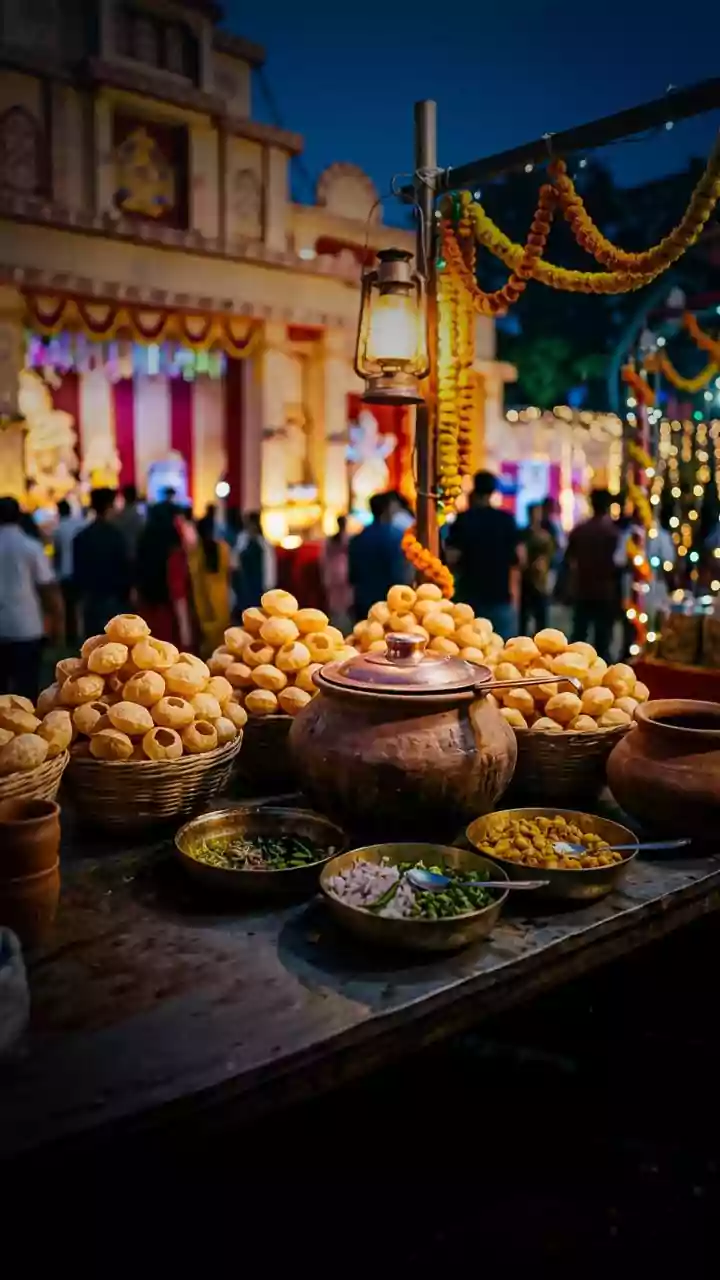
hotel for a traditional haveli stay in Rajasthan, or skipping a crowded tourist restaurant to join a cooking class in a local's home. In India, where cultural diversity offers endless depth, this trend is particularly strong. Travellers are seeking immersive activities like attending local festivals, learning ancient crafts directly from artisans, or exploring villages with community guides. This desire for authenticity stems from a wish to form a genuine connection with a place, creating memories that feel unique and personal rather than mass-produced.
From Landmark Selfies to Unique Stories
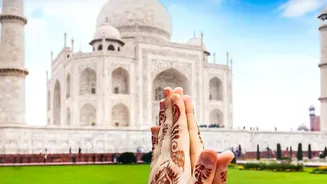
Social media has profoundly reshaped travel, but its influence is evolving. Initially, platforms like Instagram were dominated by photos proving one had visited an iconic spot. Now, the focus has shifted. The new status symbol isn't the landmark everyone has seen, but the unique, 'off-the-beaten-path' experience that tells a more interesting story. Social media is now a primary source of travel inspiration, with users seeking out lesser-known destinations and hyper-local activities. This digital word-of-mouth has empowered travellers to discover and plan trips around niche interests, from food tours to wellness retreats. In India, this trend is fuelling interest in places like the Ziro Festival of Music or village stays in Himachal Pradesh, which offer distinct, shareable moments beyond the usual tourist circuit.
A Conscious Step Away from Overtourism
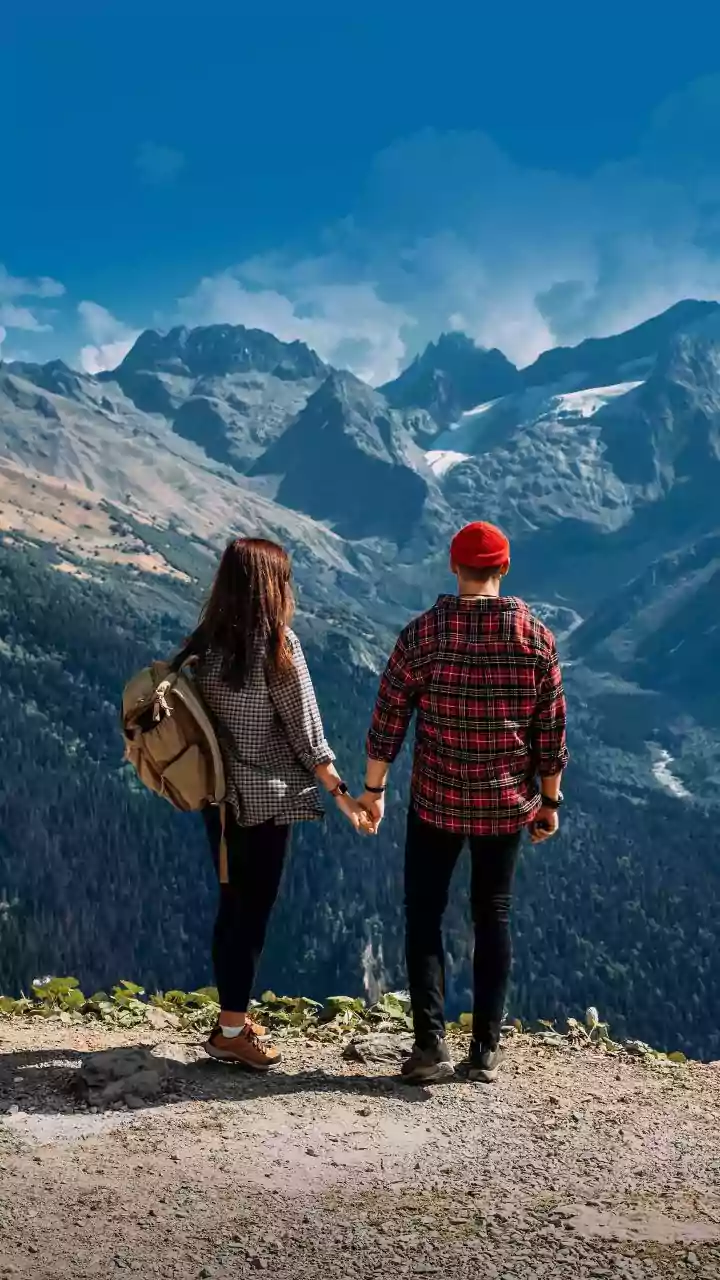
Many of the world's most famous landmarks are becoming victims of their own popularity. The phenomenon of 'overtourism'—where destinations are overwhelmed by visitors—leads to long lines, environmental strain, and a diminished quality of life for residents. Travellers are increasingly aware of these negative impacts. The frustration of navigating chaotic crowds and the feeling that a place has lost its charm are pushing people to seek quieter, more sustainable alternatives. Choosing to visit a less-crowded destination or travelling in the off-season is becoming a conscious decision. This reflects a broader shift towards more responsible travel, where the goal is to engage with a community respectfully, support local businesses, and leave a positive footprint.
Travel as a Tool for Personal Growth
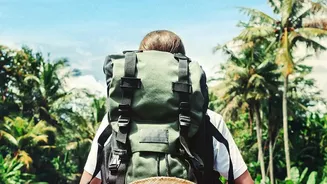
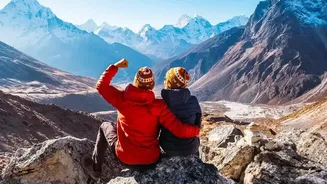
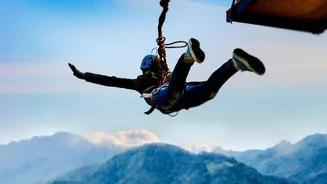
A modern vacation is increasingly seen as an investment in oneself. The focus is shifting from simple relaxation to personal enrichment and self-discovery. Travellers, especially younger generations like Millennials and Gen Z, want to return home with more than just souvenirs; they want new skills, fresh perspectives, and a sense of accomplishment. This could mean learning a new language, mastering a local craft, or pushing physical limits on an adventure trek. Solo travel is also a significant part of this trend, with many seeking the independence and self-reliance that comes from navigating the world on their own. This desire for transformative experiences is a key driver, making the journey itself—and the personal changes it inspires—the ultimate destination.
How the Industry Is Responding in India
The travel industry has been quick to adapt to this new mindset. In India, the experiential travel market is booming, projected to reach significant growth driven by younger travellers aged 18-35. Companies are curating specialised tours that cater to this demand, offering everything from guided culinary journeys and spiritual retreats in Rishikesh to sustainable farm stays. Historically, Indian travel was often about fixed itineraries, but there is now a clear pivot towards flexible, activity-based options that prioritise cultural immersion. With rising disposable incomes and a shift in priorities, particularly among Gen Z who now value experiences over savings, this segment is reshaping the country's entire tourism economy.