


Understanding the Monsoon Minefield
The combination of high humidity, constant dampness, and standing water transforms the environment into a breeding ground for problems. Veterinary clinics across India report a sharp spike in pet illnesses between June and September. The primary culprits
are parasites like ticks and fleas, which thrive in moist conditions, and bacteria that flourish in puddles and waterlogged soil. This environmental shift is the reason why issues like skin infections, gastrointestinal problems, and even more severe water-borne diseases become a major concern for pet parents during the rainy season.
Adapting the Daily Walk
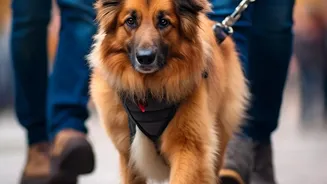
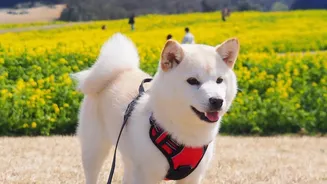
The cornerstone of monsoon pet care is adjusting the walk schedule. Many owners are finding that shorter, more frequent walks are more effective and safer than one long outing. The key is to time walks to coincide with breaks in the rain, even if it means stepping out during a light drizzle rather than waiting and risking a downpour. Sticking to familiar, paved routes helps avoid muddy paths and, crucially, stagnant puddles which can contain harmful bacteria like Leptospira, the cause of leptospirosis, a serious disease that can spread from animals to humans. For added safety in the darker, overcast conditions, many are opting for reflective leashes or harnesses.
The Critical Post-Walk Cleanup
What happens after the walk is just as important as the walk itself. A non-negotiable rule for the monsoon is to thoroughly clean and dry your pet’s paws after every single outing. Paws are a primary entry point for infections. Wiping them with a towel is a good start, but a proper rinse with lukewarm water is better to remove dirt and potential pathogens from between the toes. It's crucial to dry the paws and coat completely, as trapped moisture can lead to fungal and bacterial skin infections, including painful 'hot spots' (acute moist dermatitis). Many owners now keep a dedicated 'clean-up kit' by the door with a towel, pet-safe wipes, and even a paw sanitizer.
Beyond Walks: Holistic Monsoon Care
Protecting your pet extends beyond their walk schedule. Providing clean, boiled, or filtered drinking water is essential, as tap water sources can become contaminated during heavy rains. Diet also plays a role; some vets suggest lighter meals that are easy to digest, with adequate fibre. Keeping your pet's bedding clean and dry is also critical to prevent fungal growth. Finally, with walks being shorter, it's important to prevent boredom and anxiety. Engaging your pet with indoor activities like puzzle feeders, scent games, or short training sessions can provide much-needed mental stimulation.
When to Be Concerned
Vigilance is key. Pet owners should be on the lookout for symptoms like excessive scratching or licking, redness on the skin, hair loss, or a foul odour, which could indicate a skin infection. Any signs of lethargy, vomiting, diarrhoea, or loss of appetite warrant immediate attention, as they can be symptoms of gastrointestinal issues or more serious illnesses like tick fever or leptospirosis. The humid climate is especially tough on dogs with long coats or floppy ears, making regular grooming and ear cleaning more important than ever.