





Mastering Your Fuel Strategy
Fuel is often the single biggest expense on a road trip, but it’s also one you can manage effectively. The first step is to know your car's real-world mileage, which is often 15-20% lower than the manufacturer's official figure. To estimate your total
fuel cost, use this simple formula: (Total Distance / Vehicle Mileage) × Fuel Price. A number of online calculators and apps can do this for you. Remember that fuel prices vary significantly between states, so a little research can lead to big savings. For example, topping up just enough to cross into a state where fuel is cheaper can be a smart move. Plan your refuelling stops in advance, aiming for larger towns and cities where petrol pumps are more likely to be open 24/7 and offer better facilities. Avoid the risk of running low in a remote area by never letting your tank drop below a quarter full.
Navigating Tolls Seamlessly
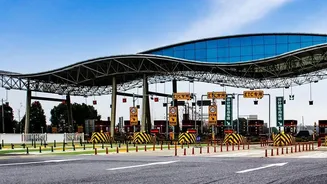
Thanks to the widespread adoption of FASTag, cruising through toll plazas is easier than ever. However, tolls can add up quickly, especially on modern expressways. A rough estimate for national highways is between ₹1.50 and ₹2.50 per kilometre, but this can vary. To avoid surprises, use an online toll calculator before you start your journey. The official NHAI website and apps like Rajmargyatra provide route-specific toll information. Some navigation apps now also display estimated toll costs when you plan a route. The key to a smooth experience is ensuring your FASTag wallet has sufficient balance before you leave. A low balance can lead to delays and fines. Several apps allow for easy on-the-go recharges, linking directly to your bank account or digital wallet, making the process quick and painless.
Prioritising Driver Rest and Safety
A successful road trip isn't just about reaching your destination; it's about arriving safely. Driver fatigue is a serious risk on long drives and a major cause of highway accidents. The golden rule is to take a break every two to three hours, even if you don't feel tired. Stop the car, get out, stretch your legs, and hydrate. If you feel drowsy, pull over to a safe location and take a 15-20 minute power nap. For multi-day trips, plan your overnight stays in advance. While India's highway infrastructure is improving, the quality of rest stops can be inconsistent. Look for well-lit, reputable hotels or modern rest stop chains that offer secure parking and clean facilities. Using user reviews on navigation apps or travel forums can help you identify safe and comfortable places to rest. Never compromise on rest; a refreshed driver is an alert and safe driver.
Integrating Your Plan
The final step is to bring these three elements together into a cohesive plan. Start by mapping your overall route using a reliable navigation app. This will give you the total distance, which is essential for your fuel calculations. Next, use a toll calculator to budget for all the expressways and national highways on your route. Finally, break your journey into manageable driving segments of 2-3 hours each. Identify potential spots for fuel, meals, and rest along these segments. Creating a simple itinerary—even a rough one—can make a huge difference. Note down your planned overnight halts and major fuel stops. Apps like Rajmargyatra or Highway Delite can help by providing a single platform for information on toll plazas, petrol pumps, and other highway amenities. This structured approach ensures you have a handle on your budget and a clear plan for a safe and enjoyable trip.