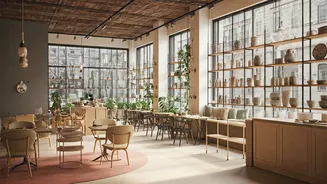









What Defines a Multi-Purpose Café?
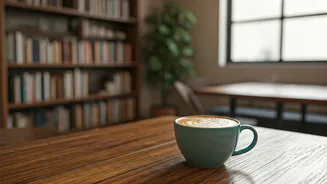
The traditional café model—coffee, cake, and a place to sit—is transforming. A multi-purpose or hybrid café intentionally blends two or more functions into a single space. It’s more than just offering free Wi-Fi; it's a strategic fusion. Think of a café that
is also a design boutique, a bookstore where every corner has a coffee counter, or a workspace that serves artisanal coffee. These spaces are designed from the ground up to serve different needs throughout the day, transitioning from a morning coffee spot to a collaborative work hub, and sometimes even a cocktail bar or event space in the evening. The goal is to create a destination that offers more than just a transaction, but a holistic experience.
An Answer to Economic Realities
For many small business owners, the multi-purpose model is a clever response to tough economic pressures. High rents in urban centres mean that relying solely on coffee sales can be a risky business. By integrating multiple revenue streams—such as co-working day passes, retail sales, or event rentals—café owners can maximize their earnings per square foot. This diversification makes the business more resilient and financially viable. Recent analysis shows that as coffee has become a daily habit rather than an occasional treat, chains are increasingly relying on food, desserts, and new experiences to boost profitability.
A New 'Third Place' for a Hybrid World
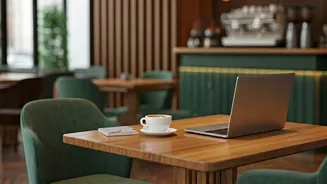
The concept of the 'third place'—a space that is neither home (the first place) nor work (the second place)—is central to understanding this trend. In the post-pandemic era of remote and hybrid work, the demand for such spaces has exploded. People are looking for a change of scenery from their home offices, a place with a productive buzz without the formalities of a corporate environment. Multi-purpose cafés perfectly fill this gap, offering the 'coffee shop effect'—a feeling of being alone together that can boost focus and creativity—along with the necessary amenities like reliable Wi-Fi, ample power outlets, and of course, great coffee.
Building Communities, Not Just Customers
Beyond work and commerce, these hybrid spaces are becoming modern community hubs. They host workshops, poetry readings, live music, and art exhibitions, fostering a sense of local culture and connection. A café that also features a dog-friendly area or an art gallery creates a natural gathering spot for like-minded individuals. This focus on community builds a loyal customer base that feels a genuine connection to the space, returning not just for the products, but for the atmosphere and the people. By curating events and experiences, these cafés transform from passive retail spaces into active participants in the neighbourhood's social life.
Examples From India's Urban Landscape
This trend is visible across India’s major cities. In Delhi, places like Cafe Dori by Nappa Dori and NicoCaara blend high-end retail with a relaxed café experience. Bangalore, a city known for its vibrant work culture, is home to numerous 'work cafes' like Dialogues and Paper and Pie, which are specifically designed for productivity with features like meeting rooms and time-based payment models. In Mumbai, luxury brands are also entering the space, with Armani/Caffe and Muji Café opening at Jio World Plaza, integrating a premium dining experience directly with their retail stores. Even established local cafés are expanding into retail by selling their own tea blends and other merchandise.