


Core Apparel: Think Quick-Dry, Not Cotton
Your clothing choices can make or break your trek. The golden rule is to completely avoid cotton, including jeans. Cotton absorbs a massive amount of water and takes a very long time to dry, leaving you cold, damp, and at risk of hypothermia. Instead,
opt for synthetic fabrics like polyester or nylon. Pack two or three quick-dry t-shirts and at least two pairs of lightweight, quick-dry trekking pants. A fleece jacket or a synthetic mid-layer is crucial for warmth, as temperatures can drop suddenly, especially when you're wet or at higher altitudes. Always keep one full set of dry clothes sealed in a waterproof bag, strictly for use at the campsite after the day's hike.
Rain Protection: Your First Line of Defence
This is non-negotiable. You need a high-quality waterproof outer layer. The debate between a rain jacket with rain pants and a poncho is ongoing. A poncho is easy to throw on and can cover both you and your backpack. However, a dedicated rain jacket and pants offer better mobility and comfort during a long walk. For a beginner, a good poncho is often a practical and affordable start. Whichever you choose, ensure it's genuinely waterproof, not just water-resistant, to withstand hours of rain.
Footwear: Grip, Draining, and Dry Feet
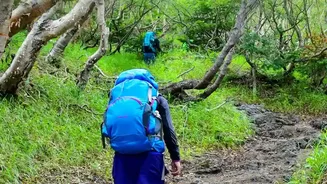
Your feet are your most valuable asset on a trek. Invest in a pair of trekking shoes with deep grooves and excellent grip to handle slippery, muddy trails. While waterproof shoes sound ideal, many experienced trekkers find they have a flaw: once water gets in over the top, the membrane traps it inside. An alternative is a good pair of water-resistant, quick-draining shoes paired with waterproof socks. This combination keeps your feet dry without turning your shoes into buckets. Also, pack extra pairs of synthetic, moisture-wicking socks to avoid blisters. For leech-prone areas, knee-length socks tucked over your pants are a simple but effective deterrent.
Backpack Strategy: Double Waterproofing
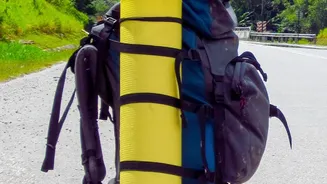
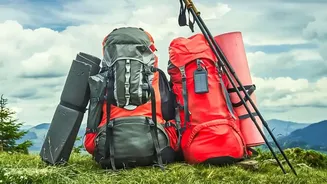
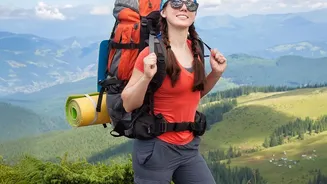
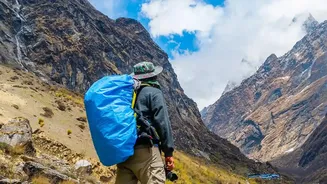
Assume everything will get wet. The most effective way to protect your belongings is with a two-layer system. First, use a waterproof rain cover on the outside of your backpack. Most good trekking backpacks come with one. Second, and more importantly, line the inside of your pack with dry bags or even sturdy plastic bags. Compartmentalise your gear—clothes in one dry bag, electronics in another, and food in a third. This internal protection ensures that even if your main pack gets damp, your essential items remain perfectly dry.
Essential Gear and Safety Items
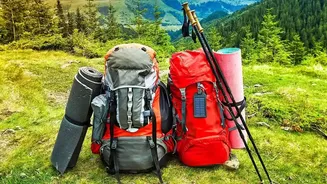
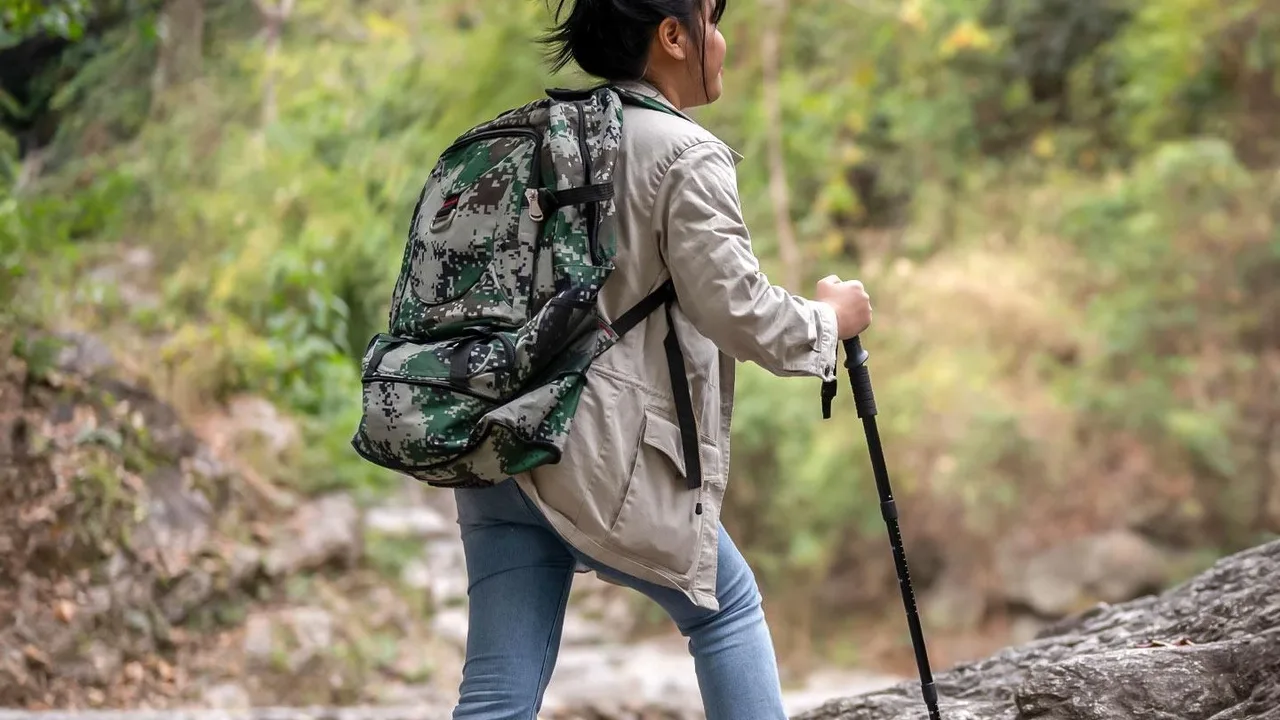
Beyond clothing, several small items are crucial. Trekking poles provide stability on slippery descents and reduce strain on your knees. A headlamp is essential, as mist and clouds can reduce visibility significantly, even during the day. Carry a basic first-aid kit with antiseptic wipes, bandages, blister tape, and any personal medications. Insect repellent is a must, and in many regions of the Western Ghats and Himalayas, a small packet of salt or a sanitiser can help with leeches. Finally, a power bank for your phone and a few high-energy snacks like nuts or energy bars will keep you connected and fuelled.