







Inspect Your Roof and Walls
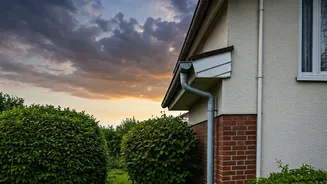
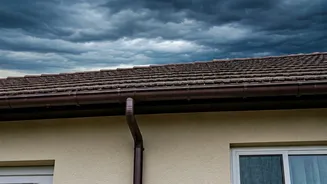
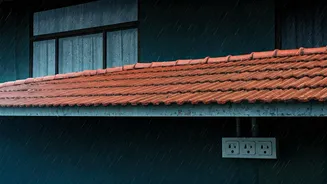
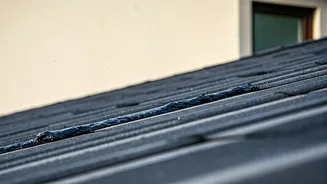
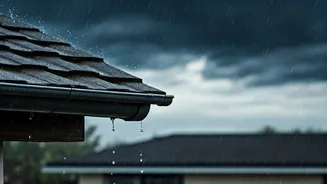
Your home's first line of defence against the rain is its exterior. Before the downpours begin in earnest, conduct a thorough visual inspection of your roof and outer walls. Look for any loose or cracked tiles, as these are common entry points for water.
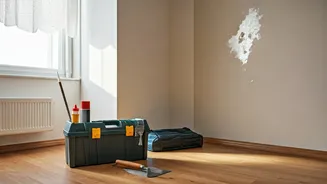
If you have a flat terrace, check for cracks in the surface or corners where water can pool. On your walls, scan for any fissures or peeling paint, which can indicate moisture seeping in. Mark these spots and get them repaired immediately. A small crack can quickly widen with constant rain, leading to significant structural damage and expensive repairs down the line. This single step is the most crucial preventive measure you can take.
Clear Drains and Gutters
This is a task that is often forgotten until it's too late. Over the dry months, leaves, dust, and other debris accumulate in your rooftop drains, gutters, and balconies. When the heavy rains arrive, these blockages prevent water from flowing away from your home. The result? Waterlogging on your terrace, overflowing balconies, and water seeping into your foundation or walls. Use a sturdy brush or have a professional clean out all drainage pipes and channels. Ensure water has a clear path to run off. This simple, low-cost maintenance task prevents some of the most common and damaging monsoon-related issues, including weakened foundations and severe interior dampness.
Check All Electrical Wiring
Water and electricity are a deadly combination. The increased moisture in the air during the monsoon significantly raises the risk of short circuits and electrical shocks. Before the season starts, check all electrical systems in your home. Pay close attention to any exposed wiring, particularly on exterior walls, in balconies, or near windows. Ensure that all sockets are functioning correctly and that there are no loose connections. It’s also a good time to check your home's earthing, which is vital for preventing shocks. If you see any frayed wires or have doubts about any connection, do not attempt a DIY fix. Call a qualified electrician to inspect and repair your wiring to ensure your family's safety.
Waterproof and Damp-Proof Your Interiors
Even without a direct leak, dampness can creep into your home, causing mould, mildew, and a musty smell. Identify areas prone to dampness, such as walls that are shared with bathrooms or kitchens, and areas below windows. Applying a fresh coat of waterproof paint can create an effective barrier. For persistent damp spots, consider using a sealant. Inside your wardrobes and cabinets, the high humidity can ruin clothes, leather goods, and important documents. Place silica gel pouches, camphor balls, or neem leaves to absorb excess moisture and repel insects. Keep cupboard doors slightly ajar on dry, sunny days to allow air to circulate.
Protect Your Wooden Furniture and Doors
Wood is highly susceptible to the monsoon's humidity; it absorbs moisture and tends to swell. This is why wooden doors and windows often get stuck and become difficult to open or close. To protect them, apply a fresh coat of varnish or polish, which acts as a protective sealant. If possible, shift wooden furniture a few inches away from walls, especially external ones, to prevent direct contact with any potential dampness. Wiping down wooden surfaces with a dry cloth regularly can also help manage the impact of the humid environment. A little care will keep your expensive furniture from warping and deteriorating.
Prepare a Monsoon Emergency Kit
Heavy rains can sometimes lead to power cuts that last for hours, or even days. It’s wise to be prepared for such situations. Assemble a monsoon emergency kit with essentials for your family. This should include powerful torches with extra batteries, a stock of candles and matchboxes, a power bank for your mobile phones, and a well-stocked first-aid kit. It's also a good idea to have some non-perishable food items like biscuits, instant noodles, and snacks on hand. Having these items easily accessible will reduce stress and ensure you can manage comfortably during any unexpected disruptions caused by the weather.