





What Exactly Are Making Charges?
Making charges are the costs jewellers add to the price of gold to cover the labour and craftsmanship required to convert raw gold into a finished product. Think of it as the price for the artisan's skill, the design complexity, and the manufacturing
process. These charges can be calculated in two main ways: as a fixed rate per gram of gold or as a percentage of the gold's total value. Some jewellers may also include 'wastage charges', which account for the small amount of gold lost during the crafting process, either bundling it into the making charge or listing it separately.
The High Cost of Adornment: Jewellery
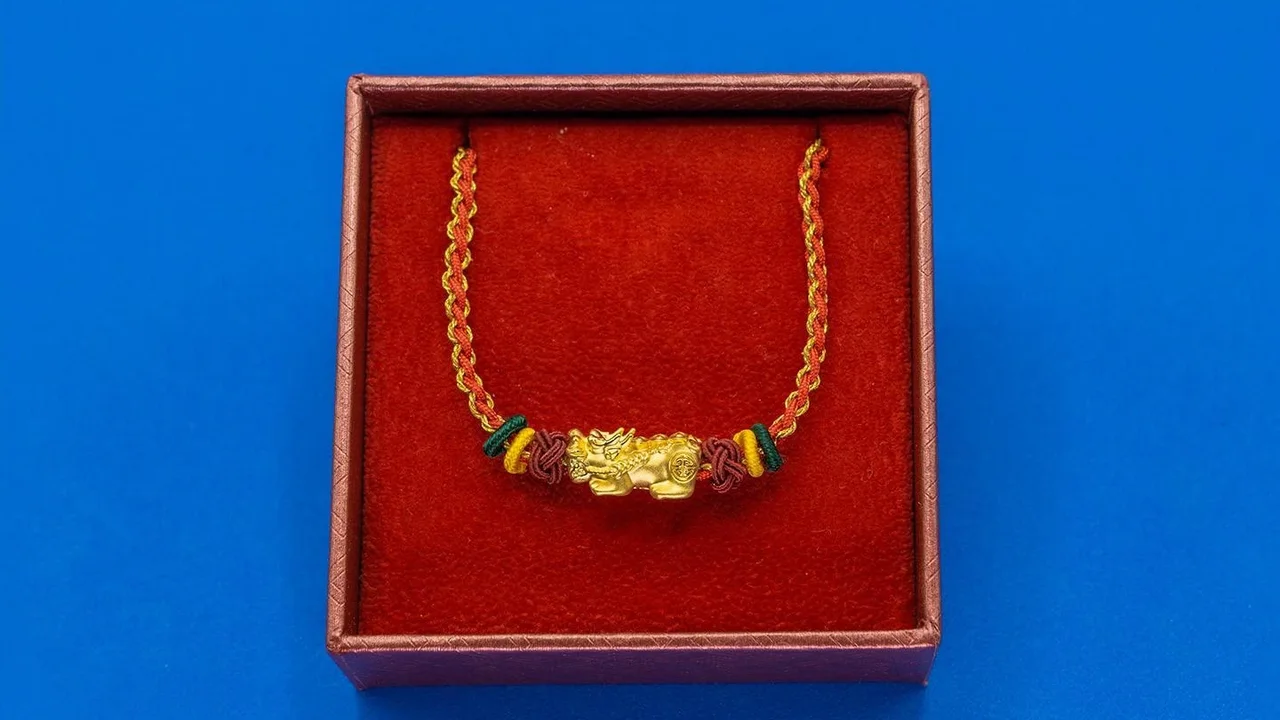
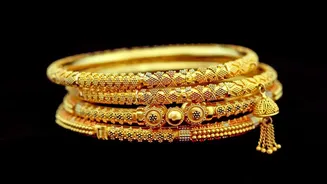
When you buy gold jewellery, a significant portion of the final bill, apart from the gold and taxes, consists of making charges. For jewellery, these charges can range from as low as 5% for simple, machine-made items to over 25% for intricate, handcrafted pieces. A complex 'kundan' or 'nakshi' necklace will naturally have much higher making charges than a plain gold chain because it demands more skill and time. While these charges pay for the beauty and design you can wear, they are an upfront cost that is almost never recovered when you decide to sell or exchange the item.
The Investor's Choice: Coins and Bars
Gold coins and bars, on the other hand, are designed primarily for investment. Since they require minimal craftsmanship—they are typically machine-stamped—their making charges are substantially lower. You can expect making charges for gold coins to be in the range of 2% to 8%. Minted coins from reputable sources like MMTC-PAMP or banks have these modest charges, making them a more cost-efficient way to buy physical gold if your main goal is wealth accumulation. Gold biscuits or bars often have even lower making charges than coins due to their simpler form.
Purity and Resale Value: The Deciding Factor
The core difference becomes starkly clear during resale. When you sell gold jewellery, the buyer will only pay you for the net weight and purity (typically 22-karat) of the gold, completely disregarding the making charges you originally paid. This means an automatic loss of the 10-25% you paid for craftsmanship. Gold coins, however, are usually sold in 24-karat (99.9% pure) form, the highest purity. Upon resale, their value is based almost entirely on the prevailing market rate for pure gold, meaning you get a much higher return on your initial investment because the initial making charges were minimal. Essentially, with coins, more of your money goes into the metal itself, not the artistry.
Adornment vs. Investment: What's Your Goal?
The choice between jewellery and coins ultimately boils down to your primary reason for buying. If you are purchasing gold to wear for weddings, festivals, and personal enjoyment, then jewellery is the obvious choice. The making charges are the price you pay for the aesthetic and sentimental value. However, if your aim is purely investment—to build a stable asset that offers good liquidity and appreciates over time—gold coins or bars are the financially superior option. They ensure that your investment is more directly tied to the value of gold, without the significant depreciation caused by high making charges.