
Your wedding outfit is one of the most significant investments you'll make, full of emotion and exquisite craftsmanship. But its life doesn't have to end after one day. Welcome to the era of conscious, versatile bridal fashion.
The Rise of the Convertible Wardrobe
The modern approach to bridal
fashion is shifting towards sustainability and long-term value. Brides are increasingly choosing outfits with a future in mind, moving away from single-use extravagance. This conscious mindset has sparked a demand for versatile pieces that can be cleverly restyled. Trends for 2026 lean into modular and detachable elements, such as removable overskirts, capes, and sleeves, making the transition from ceremony to reception—and later, to daily life—seamless. It’s not just about saving money; it’s about honouring the incredible craftsmanship of bridal wear and integrating beautiful, meaningful garments into a lasting wardrobe. This philosophy champions buying fewer, better things and wearing them more often.
From Bridal Lehenga to Boardroom Chic
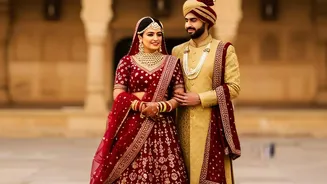
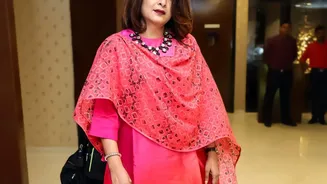
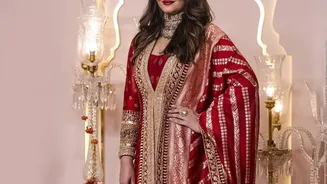
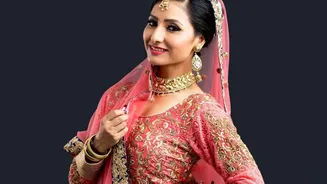
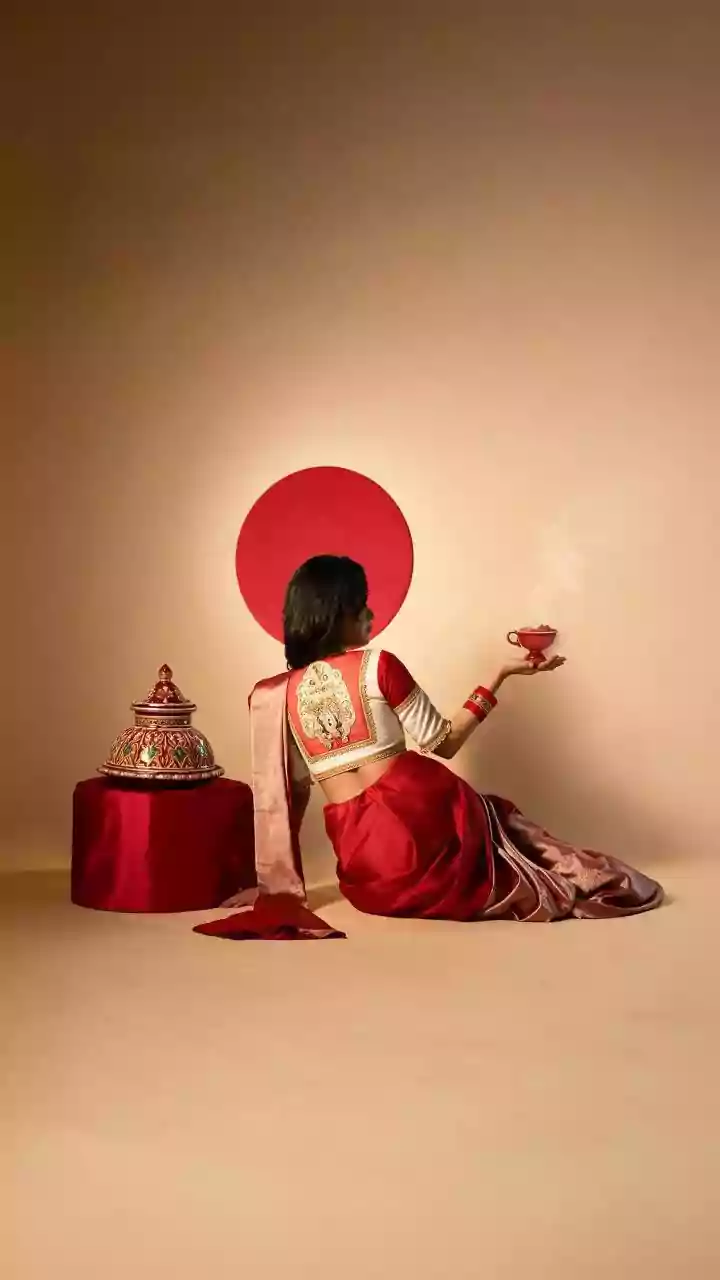
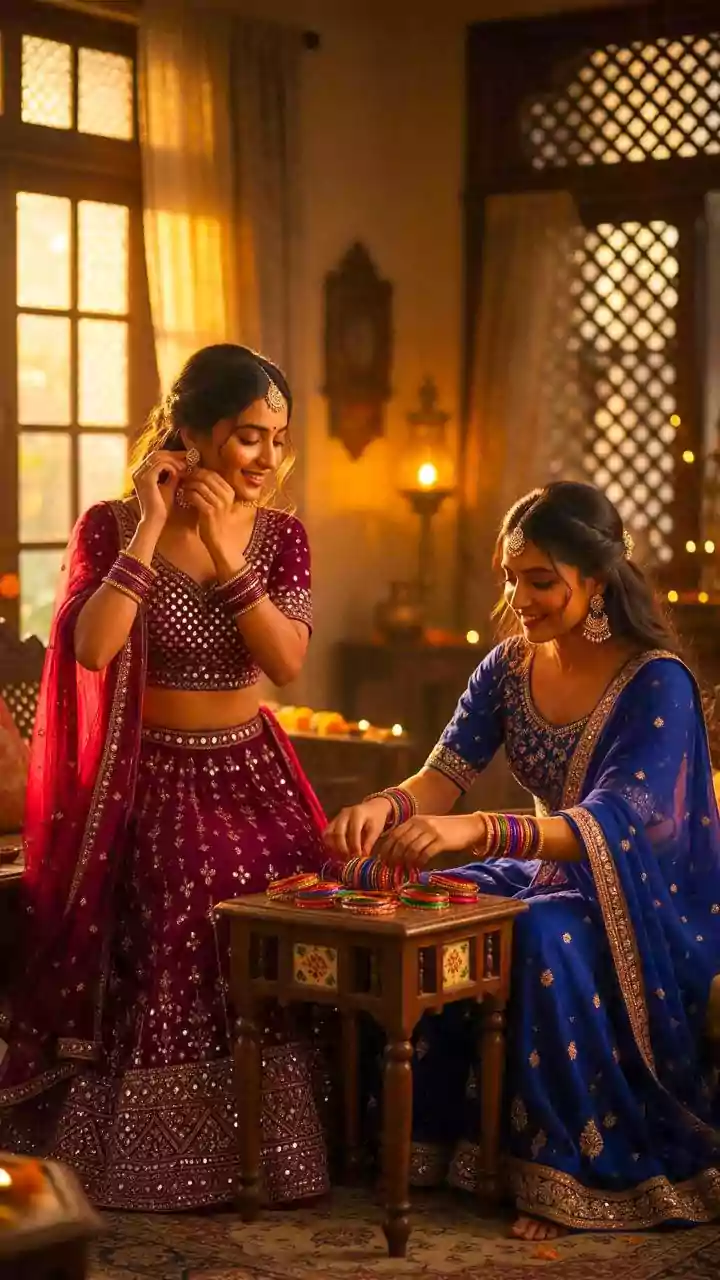
An Indian wedding lehenga, often rich with hand-embroidery and luxurious fabrics, is a prime candidate for a second life. The key is to deconstruct the three-piece set—blouse, skirt, and dupatta. The heavily embellished blouse can become a statement piece paired with a simple, solid-coloured saree for a formal event or even with high-waisted trousers and a blazer for a powerful fusion look. The lehenga skirt itself can be styled with a crisp white button-down shirt tucked in or a modern crop top for an Indo-Western feel perfect for a creative workplace or a semi-formal gathering. Even the dupatta can be repurposed as a statement stole draped over a simple kurta set or an elegant Anarkali, adding a touch of festive flair without feeling overtly bridal.
Tailoring the Modern Gown and Jumpsuit
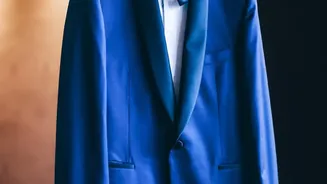
Western-style gowns also offer immense potential. A floor-length gown can be hemmed to a sophisticated midi or cocktail length, instantly making it appropriate for parties or formal work events. Simple, minimalist gowns in fabrics like satin or crepe are the easiest to adapt. Another transformative option is dyeing the dress; a white or ivory gown can take on a completely new personality in a chic black, deep navy, or jewel tone. For gowns with intricate details like beading or lace, a skilled tailor can carefully remove trains or scale back embellishments to create a more understated garment. Bridal jumpsuits and co-ord sets are even more straightforward. The tailored trousers or skirt can be paired with work-appropriate blouses, while the top can be worn with blazers and formal pants, maximizing their use with minimal effort.
Key Adjustments to Ask Your Tailor
Transforming a bridal outfit requires a clear vision and a skilled tailor. When you go for a consultation, bring photos of the new look you're envisioning. For a lehenga skirt, ask about adjusting the heavy can-can underneath to reduce its volume, making it more wearable for everyday occasions. You can also have the blouse altered for a more contemporary fit. For gowns, discuss hemming the length, removing the train, or altering the neckline. A plunging neckline might be made more modest with a sheer insert. If the dress has sleeves, consider having them shortened or removed entirely. You can also ask about converting the garment into two separate pieces—a top and a skirt—which dramatically increases styling options.
Finding the Right Professional
Not every tailor is equipped to handle the delicate fabrics and complex construction of bridal wear. It's crucial to find a seamstress or tailor who specializes in wedding gowns or intricate formalwear. Look for professionals with a strong portfolio and positive reviews. When you meet them, communicate your vision clearly but also be open to their expert suggestions. They will understand the properties of fabrics like silk, tulle, and crepe and know the best techniques to alter them without causing damage. Remember to bring the shoes and undergarments you plan to wear with the restyled outfit to ensure a perfect fit. A good tailor can not only execute your ideas but also offer creative solutions you may not have considered.