








A Year-Round Gem, Perfect for Monsoon
A common misconception is that pomegranates are strictly winter fruits. While they are often celebrated during colder months, India's diverse agricultural climate means pomegranates are available nearly year-round. In fact, one of the three main flowering
seasons, known as 'Ambe Bahar', can lead to a harvest in June and July. Another harvest, 'Hasta Bahar', also brings fruit to market around this time. This makes the pomegranate a reliable and accessible option right in the middle of the monsoon. The rainy season often brings a host of health concerns, from lowered immunity to digestive issues, making a nutrient-dense fruit like pomegranate particularly beneficial.
An Immunity Boost for Rainy Days
July's damp weather is notorious for bringing on colds and other infections. This is where the pomegranate truly shines as a smart pick. It is loaded with Vitamin C, a crucial nutrient for bolstering the immune system. But its power doesn't stop there. Pomegranates are exceptionally rich in potent antioxidants like punicalagins and anthocyanins. These compounds are so powerful that the antioxidant potential of pomegranate juice is often rated higher than that of red wine or green tea. These antioxidants help protect your body's cells from damage and reduce inflammation, giving your immune system the support it needs to fight off seasonal illnesses.
Supporting Digestive and Gut Health
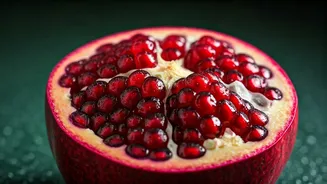
Monsoon season can be tough on the digestive system. Pomegranate can offer support in this area as well. The arils (the edible seeds) are a good source of dietary fibre, which is essential for maintaining healthy digestion and preventing constipation. Furthermore, some studies suggest that compounds in pomegranate may have prebiotic effects, helping to fuel the beneficial bacteria in your gut. A healthy gut microbiome is closely linked to a strong immune system, providing another layer of defence during a season when you need it most.
How to Choose and Prepare the Perfect Pomegranate
Selecting a good pomegranate can feel like a gamble, but a few simple tips can help. Look for a fruit that feels heavy for its size, which indicates it's full of juice. The skin should be firm, smooth, and a deep, vibrant red, though colour can vary by variety. Some ripe pomegranates even develop a slightly angular, squared-off shape as the plump seeds push against the skin. The easiest way to deseed a pomegranate without making a mess is the water-bowl method. Cut the fruit in half and submerge it in a bowl of cold water. Gently break apart the sections and pry the arils loose with your fingers. The seeds will sink to the bottom while the bitter white membrane floats to the top, making it easy to skim off.
More Than Just a Garnish
While pomegranate arils make a beautiful garnish for salads and desserts, their sweet-tart flavour can be a star ingredient. Stir them into your morning bowl of dahi or oatmeal for a burst of flavour and texture. Blend them into a refreshing juice or smoothie. You can also incorporate them into savoury dishes. They pair wonderfully with roasted vegetables, can be mixed into bhel puri for a juicy crunch, or used to create a flavourful raita. This versatility makes it easy to incorporate this nutritional powerhouse into your daily meals, ensuring you reap its many benefits throughout the monsoon season.