






An 'Unprecedented' Climate Event
Scientists are watching the equatorial Pacific Ocean with concern. Forecasts for late 2026 indicate the development of what could be the strongest El Niño event in living memory, with a greater than 90% chance of it becoming a very strong event. This
phenomenon involves a significant warming of sea surface temperatures, which disrupts global atmospheric circulation and weather patterns. While a typical strong El Niño sees temperature rises of 1-2°C, some models show the 2026 event could exceed 3°C, a level described by experts as 'unprecedented'. This isn't a distant problem; the effects are expected to ripple across the globe, with significant implications for India's climate, economy, and urban life.
India's Monsoon in the Crosshairs
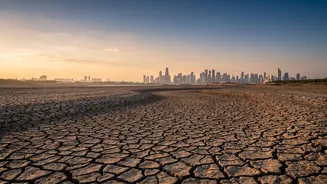
For India, a strong El Niño often brings bad news for the monsoon, which delivers about 70% of the country's annual rainfall. The weather pattern is historically linked to weaker, more erratic monsoons and reduced rainfall over the subcontinent. This can lead to drought conditions and deplete soil moisture needed for both summer and winter crops, threatening agricultural output and driving up food prices. However, the paradox of modern climate extremes means a weaker monsoon doesn't rule out danger. Recent studies and observations show that El Niño years can feature long dry spells broken by sudden, intense bursts of extreme rainfall, increasing the risk of flash floods and landslides even in a season that is drier overall.
The Urban Stress Test
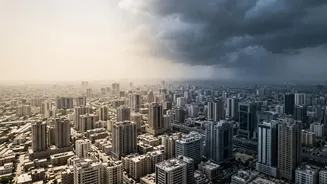
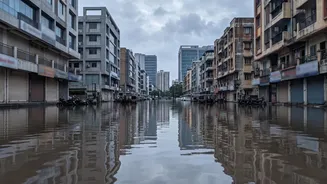
India's cities are uniquely vulnerable to this double threat of drought and deluge. Unplanned urban sprawl has replaced natural soil with concrete, while historic water bodies that once absorbed excess water have shrunk dramatically. This leaves cities with outdated and overwhelmed drainage systems unable to cope with intense downpours, leading to the severe waterlogging that has become an annual crisis. At the same time, a weaker monsoon strains urban water supplies, which are already struggling. Furthermore, El Niño years are associated with intense heatwaves. In dense cities, this is amplified by the 'Urban Heat Island' effect, where concrete and a lack of green cover trap heat, pushing temperatures dangerously high and straining power grids as demand for cooling soars.
Building Resilient Cities
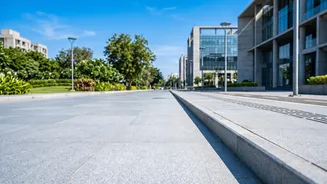
The looming threat of El Niño underscores the urgent need for climate-resilient urban planning. The focus is shifting from simply building more drains to adopting holistic, nature-based solutions. One key concept is the 'sponge city', which uses permeable pavements, rain gardens, green roofs, and interconnected lakes to absorb, clean, and store rainwater instead of letting it run off. This approach not only mitigates flooding but also recharges groundwater to combat water scarcity. Cities like Chennai and Ahmedabad are already implementing some of these strategies. Chennai has built dozens of 'sponge parks' and is restoring wetlands, while Ahmedabad's Heat Action Plan, which includes increasing tree cover and using cool roofs, serves as a model for combating extreme heat.
A Blueprint for the Future
Effectively preparing for events like the 2026 El Niño requires a multi-pronged approach. This includes systematic mapping of flood-risk zones, upgrading drainage, and legally protecting remaining urban wetlands. It also means investing in robust early warning systems to give communities and authorities time to prepare. National initiatives like the Climate-Smart Cities Assessment Framework are aiming to integrate climate action into the core of urban development. By blending green infrastructure with necessary grey infrastructure and empowering local communities, cities can move from a reactive cycle of crisis management to a proactive state of resilience, ready for the challenges ahead.