





The Unseen Engines of Modern Life
They are the physical backbone of the internet, vast, windowless buildings packed with tens of thousands of powerful computers. From streaming movies and managing corporate clouds to training the latest artificial intelligence, hyperscale data centres
are the workhorses of the 21st-century economy. The number of these facilities has exploded, more than doubling globally in recent years, with the United States being the epicentre of this growth. This boom, however, comes with a significant and often hidden price tag, as a groundbreaking study from Harvard University has now quantified.
A Staggering Energy Appetite
The Harvard research, published in the journal Nature Sustainability, provides one of the first facility-level estimates of the true scale of this industry's climate impact. Researchers analyzed 403 of the largest data centres in the U.S. and found their combined electricity consumption between May 2024 and April 2025 was a colossal 82 terawatt-hours. To put that in perspective, it's enough energy to power nearly 7 million American homes for a year and is comparable to the annual electricity use of entire countries like Denmark or U.S. states like Michigan. This represents nearly 2% of the total electricity consumed in the United States, a figure that is two to three times higher than previous estimates suggested.
The Carbon Footprint
All that power has to come from somewhere, and the study found that, unfortunately, much of it is not clean. More than half of the electricity consumed by these data centres came from burning fossil fuels, primarily natural gas and coal. This generated an estimated 25.7 million metric tons of carbon dioxide—a greenhouse gas footprint comparable to the entire nation of Denmark. Researchers noted that this figure is likely a conservative estimate, as it only covers a fraction of the total data centres in operation and was calculated before the most recent surge in AI-related construction. With thousands more data centres planned, experts worry the country is moving backwards on its climate goals.
Water: The Other Hidden Cost
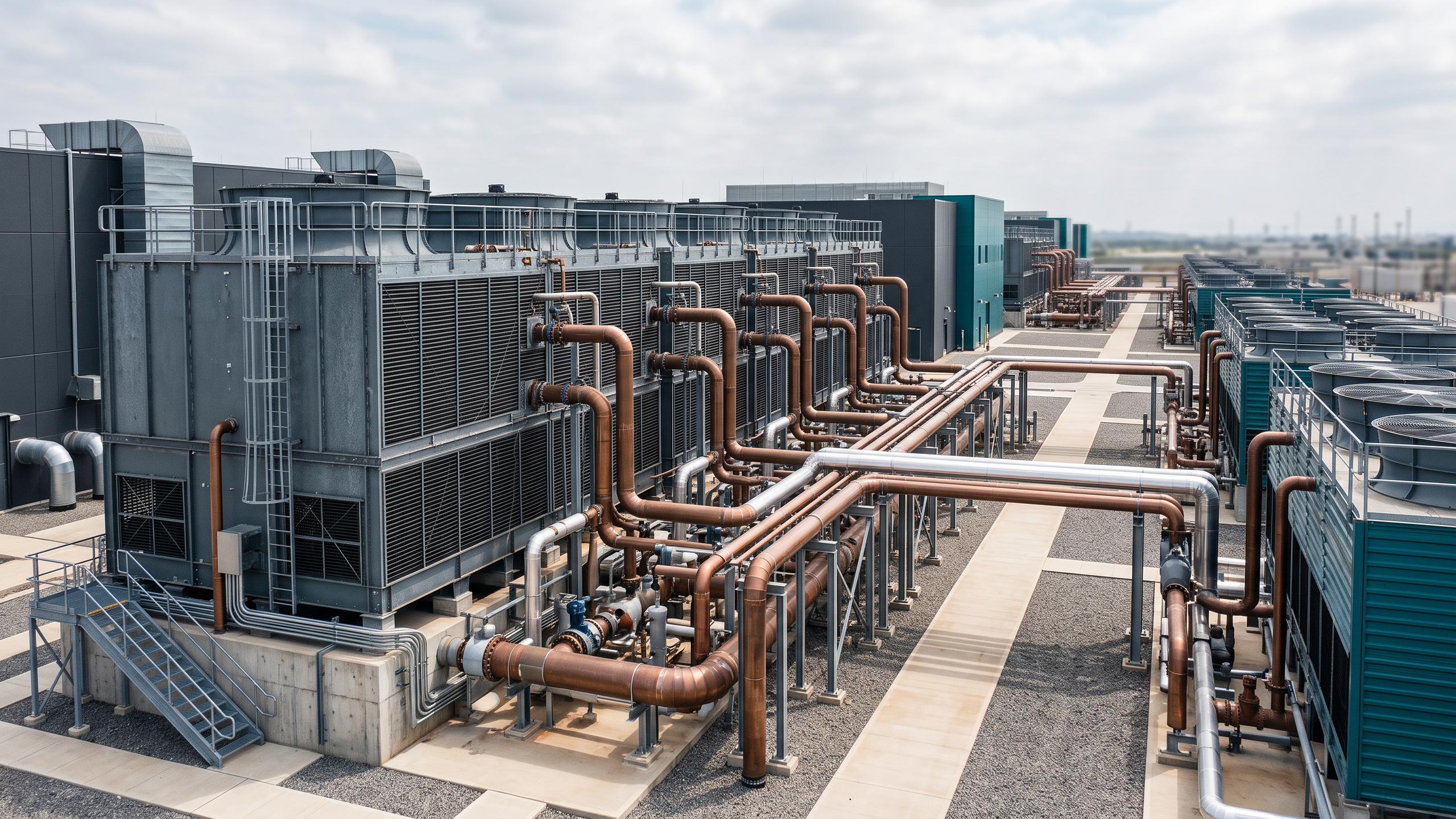
Beyond electricity, these facilities have a voracious thirst. Data centres require immense amounts of water for cooling to prevent the densely packed servers from overheating. A single large facility can use up to 5 million gallons of water per day, equivalent to a small city. In 2023, U.S. data centers directly consumed an estimated 17.4 billion gallons of water. This is a growing concern, especially as many data centres are located in water-scarce regions. The problem extends beyond direct use; the fossil fuel power plants that supply much of their electricity are themselves massive consumers of water, creating a significant indirect water footprint.
The AI Accelerator
The primary driver behind this explosive growth is the race to dominate artificial intelligence. Training and running large AI models is an incredibly energy-intensive process, far exceeding that of traditional computing. As companies from Google to Meta invest billions in new AI infrastructure, the demand for power and resources is skyrocketing, with some projecting that data centres could consume over 10% of all U.S. electricity by 2030. This has put the tech industry's climate commitments under serious strain, as rising energy needs from AI have caused the carbon emissions of major tech firms to increase.