







The Great Indian Protein Gap
For a nation with such a rich culinary heritage, how did we get here? The answer lies on our plates. A typical Indian meal is often dominated by carbohydrates like rice and roti, with dal and vegetables served as smaller accompaniments. While delicious
and filling, this structure means that even with a 'balanced' meal, the protein portion is often too small. The Indian Council of Medical Research (ICMR) recommends about 0.8 grams of protein per kilogram of body weight for a sedentary adult. This means a 60 kg person needs around 48-60 grams of protein daily. However, the average intake in India is closer to 30-40 grams, creating a significant and persistent gap. This isn't just a rural or low-income issue; even urban households with higher incomes often fill up on processed foods and refined carbs instead of quality protein.
Busting Common Protein Myths
Misinformation often makes the problem worse. Many people believe that a standard dal-roti meal is sufficient, but you would need to eat an impractical amount to hit your target. Another common myth is that only non-vegetarians can get enough protein. While meat and eggs are excellent sources, a well-planned vegetarian diet can easily meet daily needs. The idea that plant proteins are 'incomplete' is also a misunderstanding. The classic Indian combinations, like dal with rice or rajma with roti, create a complete amino acid profile, making them nutritionally powerful. Finally, many fear that protein is only for bodybuilders or that it's expensive. In reality, everyone needs protein for immunity, energy, and tissue repair, and many of India's most affordable foods are packed with it.
Your Protein-Packed Pantry
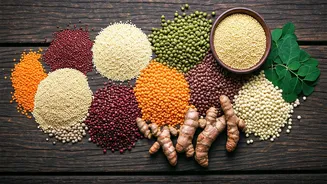
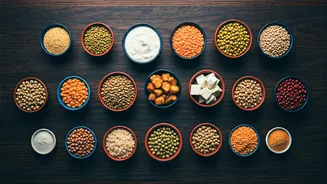
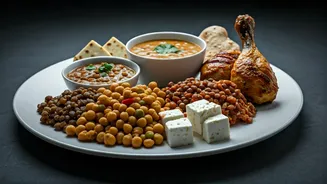
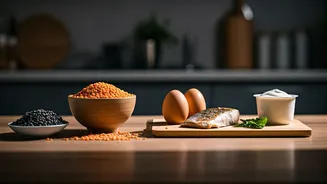
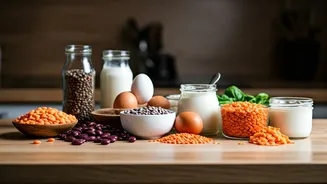
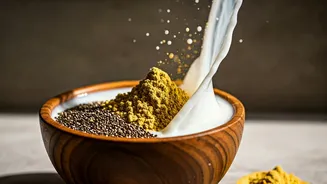
Boosting your protein intake doesn't require expensive supplements or imported ingredients. Your local kirana store is full of affordable powerhouses. Soya chunks are a budget champion, delivering a massive amount of protein. Dals and legumes like chana, rajma, and moong form the backbone of affordable protein in India. Don't overlook peanuts, which are great as a snack or ground into chutneys. For vegetarians, paneer and curd are excellent, easily accessible sources. And eggs are one of the most cost-effective, high-quality proteins available. Even staples like sattu, the superfood from Bihar, offer a fantastic and inexpensive protein boost.
Simple Swaps for Every Meal
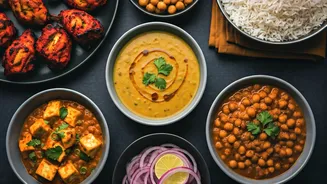
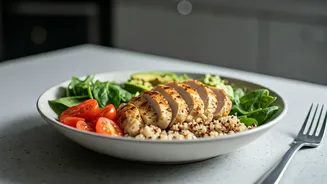
Making a change is about smart swaps, not a total diet overhaul. Start your day with a protein-focused breakfast like moong dal chilla, paneer bhurji, or a simple sprouted moong salad. At lunch, consciously increase the portion of your dal or sabzi and slightly reduce the rice or roti. Instead of a carb-heavy snack, opt for a handful of roasted chana, a bowl of curd, or a boiled egg. For dinner, try to build your meal around a protein source like paneer tikka, a mixed-dal curry, or fish. Simple additions like sprinkling seeds on your dishes or using hung curd instead of regular yogurt in preparations can also make a difference. The goal is to ensure every meal has a significant protein component, not just carbohydrates.