



Beyond Aesthetics: The Case for Functional Strength
We often think of strength in terms of lifting heavy weights or having visible muscles. But there's a more fundamental type of strength that matters more for our daily lives and long-term independence: functional strength. This is the strength that allows
you to perform everyday activities with ease, such as carrying groceries, climbing stairs, playing with your children, and getting up out of a chair. It’s not about how you look, but how you move and live. Tracking functional strength is a direct measure of your quality of life and your ability to remain independent as you age. Poor lower body strength is a primary cause of balance issues and falls, especially in older adults.
The 30-Second Chair-Stand Test
One of the best ways to measure functional lower body strength is the 30-second chair-stand test. Originally developed to assess fitness in older adults, its value is now recognised across many age groups. The test is simple: you count how many times you can stand up from a seated position and sit back down in 30 seconds, without using your hands. It’s a powerful tool because it assesses multiple factors at once: lower body strength, endurance, balance, and even risk of falls. Studies have shown that performance on this test and similar sit-to-stand challenges is strongly linked to functional independence and can even be a predictor of longevity.
How to Perform the Test at Home
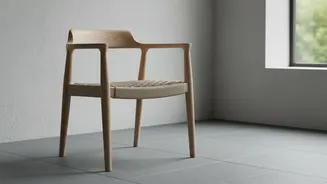
You can easily and safely perform this test yourself. All you need is a sturdy, armless chair with a seat height of about 17 inches (43-45 cm) and a stopwatch. Place the chair against a wall to ensure it doesn’t slide. 1. Sit in the middle of the chair, with your feet flat on the floor, about shoulder-width apart. 2. Cross your arms over your chest, with your hands resting on your opposite shoulders. 3. Keep your back straight. 4. When you start the timer, rise to a full standing position and then sit back down completely. 5. Repeat this as many times as you can in 30 seconds. Your score is the total number of full stands you complete. If you are more than halfway up when the 30 seconds are up, you can count it as a full repetition. If you have to use your hands at any point, your score is zero.
What Your Score Reveals
Your score provides a snapshot of your lower body's functional strength compared to others in your age group. While this is not a medical diagnosis, a below-average score can indicate an increased risk for falls. According to data used by the CDC, below-average scores for adults over 60 are: - Age 60-64: Fewer than 14 reps for men, 12 for women. - Age 65-69: Fewer than 12 reps for men, 11 for women. - Age 70-74: Fewer than 12 reps for men, 10 for women. - Age 75-79: Fewer than 11 reps for men, 10 for women. For younger adults, one 2022 study of healthy individuals aged 18-35 found an average of 33 repetitions. Don't be discouraged by a low score; think of it as a baseline and an opportunity for improvement.
How to Improve Your Functional Strength
The good news is that you can improve your score and your functional strength with simple, targeted exercises. The best way to get better at standing up from a chair is to practice the movement itself. Bodyweight squats are a perfect starting point. Focus on proper form: keep your chest up, back straight, and sit back as if you’re aiming for a chair. Other beneficial exercises include: - Lunges: These build single-leg strength and stability, crucial for balance. - Glute Bridges: Lie on your back with your knees bent and lift your hips. This strengthens your glutes and hamstrings, the powerhouse muscles for standing up. - Step-ups: Simply stepping up and down onto a sturdy box or stair builds the power needed for this test. Incorporating these movements into your routine a few times a week can lead to significant improvements in your strength, mobility, and your next chair-stand test score.