
What Are Live Cultures?
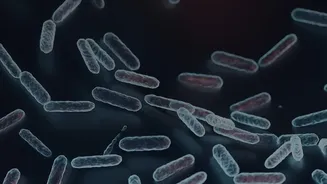
Live cultures are beneficial, living microorganisms, such as certain bacteria and yeasts, that reside in your gut. You might know them by their more common name: probiotics. Think of them as friendly residents in your digestive system that help break
down food, support your immune system, and keep things in balance. When you consume foods with live cultures, you are adding to this community of helpful microbes. These microorganisms are found in fermented foods where they have been used for centuries to preserve items like vegetables and milk.
What Is Prebiotic Fibre?
Prebiotic fibre is a type of non-digestible plant fibre. Your body can't break it down, so it travels intact to your large intestine. Once there, it becomes the perfect food source for the beneficial bacteria (the live cultures) that already live in your gut. In essence, prebiotics act as fuel or fertiliser for your existing good microbes, helping them to grow and thrive. It's important to note that not all dietary fibre is prebiotic; prebiotics specifically feed the beneficial bacteria.
A Tale of Two Roles: Adding vs. Feeding
The simplest way to remember the difference is this: live cultures (probiotics) add new beneficial bacteria to your gut, while prebiotic fibre feeds the good bacteria that are already there. One is about introducing the team, and the other is about providing their lunch. Probiotics are the live organisms themselves, while prebiotics are the food that helps them flourish. Both are crucial for maintaining a healthy and balanced gut microbiome, but they achieve this through entirely different mechanisms.
The Power of Teamwork
Since prebiotics and probiotics have a symbiotic relationship, they work best together. When you consume both, you introduce beneficial bacteria and simultaneously provide the nourishment they need to thrive and effectively support your digestive system. This powerful combination is sometimes referred to as 'synbiotic'. A balanced gut microbiome supported by both prebiotics and probiotics can lead to benefits like improved digestion, better nutrient absorption, and a stronger immune system.
Where to Find Live Cultures
Live cultures are found in fermented foods. Yoghurt with 'live and active cultures' is a classic example. Other excellent sources include kefir, a fermented milk drink; sauerkraut (the refrigerated, unpasteurised kind); kimchi, a spicy Korean fermented cabbage; and kombucha, a fermented tea. Miso, tempeh, and certain cheeses like gouda, cheddar, and cottage cheese can also contain these beneficial microbes. Always check the label for phrases like 'live cultures' to ensure the product wasn't heat-treated, as pasteurisation can kill the bacteria.
Sourcing Your Prebiotic Fibre
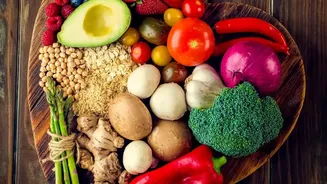
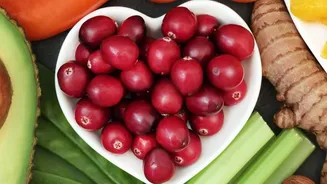
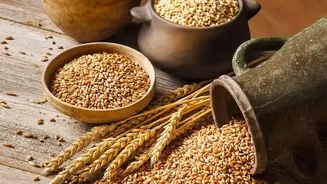
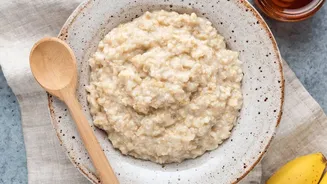
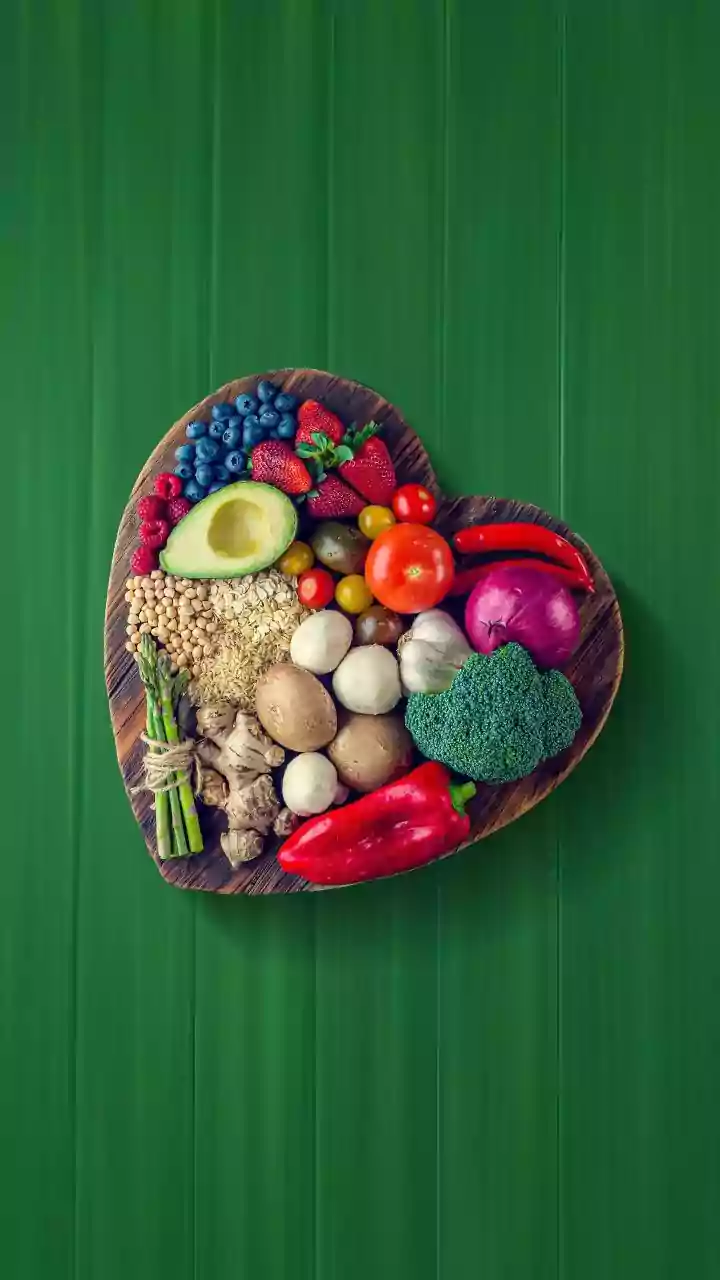
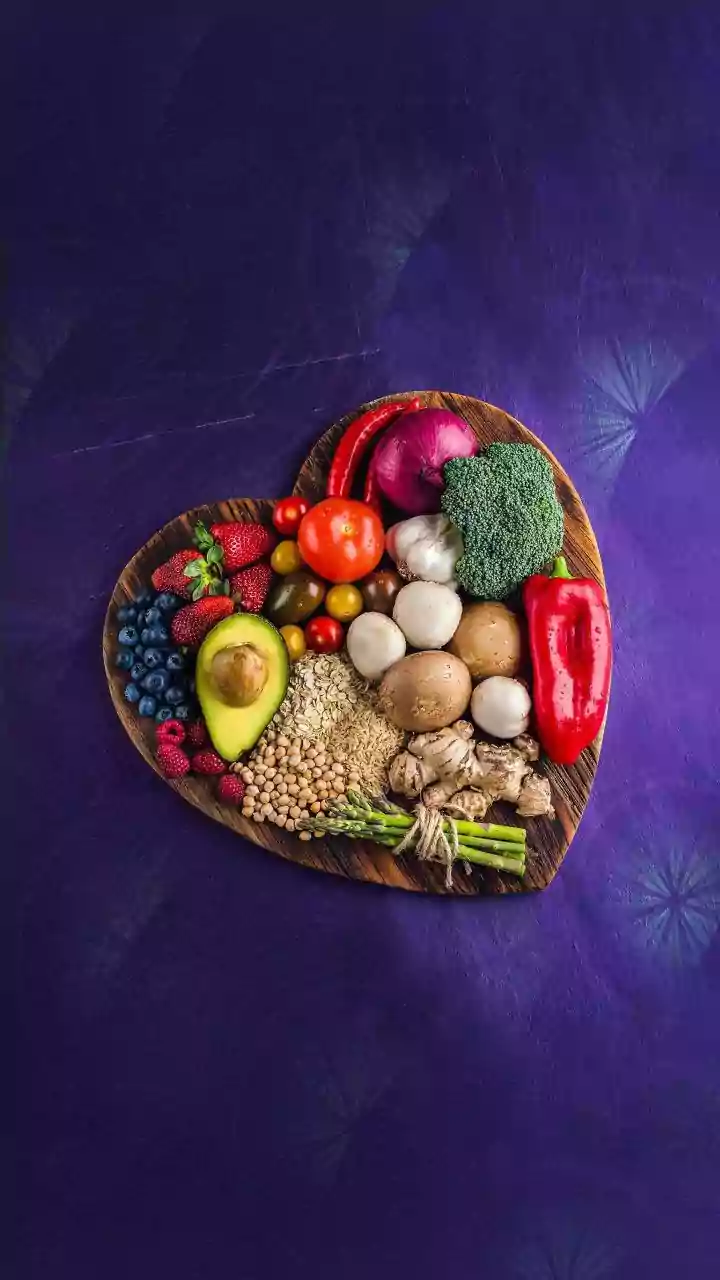
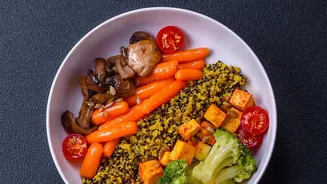
Prebiotic fibre is abundant in a variety of plant-based foods. Onions and garlic are fantastic sources, rich in prebiotic fibres like inulin and fructooligosaccharides (FOS). Other great options include slightly under-ripe bananas, whole oats, asparagus, and Jerusalem artichokes. You can also find prebiotics in chicory root, leeks, whole grains, apples, and beans. Incorporating a wide range of these high-fibre foods into your diet is a simple way to ensure your gut microbes are well-fed.