


A Look at the Numbers
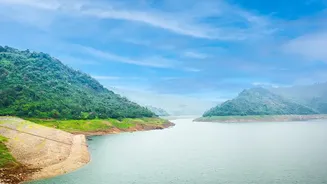
Recent data from the Central Water Commission (CWC) paints a concerning picture. As of late September 2026, water storage across 178 of India's major reservoirs stood at just 70% of their total capacity. This figure is notably below both the level recorded
at the same time in 2025 (79%) and, more critically, the ten-year average of 76.62%. This shortfall is not uniform, with some regions facing a much more precarious situation than others. The southwest monsoon, which delivers over 70% of India's annual rainfall, is the primary force for replenishing these vital water sources. A weaker monsoon performance this year is the main driver behind the current low levels.
Southern India on Highest Alert
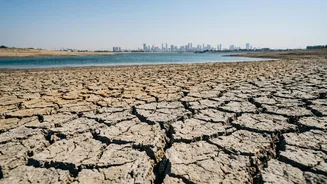
The situation is most alarming in Southern India. Reservoirs in the region—spanning Andhra Pradesh, Telangana, Karnataka, Kerala, and Tamil Nadu—are reportedly at just 50% of their total capacity. This is a dramatic drop from the 87.25% storage recorded during the same period last year. The region also experienced a significant rainfall deficit of 23% below normal. This sharp decline has immediate implications for drinking water availability and agricultural needs in major urban hubs like Bengaluru and Chennai, cities already identified as being under severe water stress. Bengaluru, for instance, has long struggled with a combination of rapid urbanisation and disappearing lakes, making it heavily reliant on water sourced from afar. Chennai famously faced a 'Day Zero' situation in 2019 when its main reservoirs ran dry.
The Ripple Effect on Urban Life
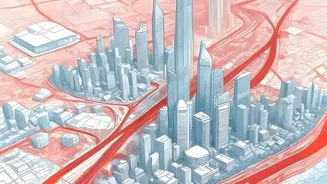
Low reservoir levels are not just an abstract statistic; they have tangible consequences for city dwellers. When storage is low, municipal bodies are forced into difficult decisions that directly impact daily life and the urban economy. This is what is meant by 'affecting water planning.' Cities like Mumbai have already seen authorities implement water cuts to manage dwindling supplies, a measure that could be extended. Such restrictions often include halting water supply to construction sites and swimming pools to preserve it for essential needs. Residents may face reduced water pressure or supply on alternate days, leading to a greater reliance on expensive private water tankers. For industries, a consistent water supply is critical, and shortages can disrupt production and increase operational costs.
Beyond a Weak Monsoon
While a deficient monsoon is the immediate cause, experts point to deeper, more systemic issues driving India's recurring water challenges. Rapid and often unplanned urbanisation puts immense pressure on existing water resources. Many cities lose a significant amount of water to leakage from aging pipelines, often referred to as 'non-revenue water'. Furthermore, the encroachment and pollution of natural water bodies like lakes and wetlands have destroyed local water resilience, increasing dependence on distant reservoirs. The over-extraction of groundwater has depleted a critical buffer that could otherwise help cities weather periods of low rainfall. These underlying factors turn a poor monsoon from a manageable problem into a potential crisis.
A Push for Long-Term Solutions
The current situation underscores the urgent need for more resilient urban water management. Experts and policymakers are increasingly advocating for a multi-pronged approach. This includes mandatory rainwater harvesting for new constructions and promoting it for existing buildings. Another key strategy is improving wastewater treatment and promoting the reuse of treated water for non-potable purposes like industrial use and landscaping, creating a more circular water economy. Modernising infrastructure to detect and fix leaks, along with implementing smart water metering, can significantly improve efficiency. Ultimately, protecting and rejuvenating urban water ecosystems like lakes and groundwater recharge zones is seen as crucial for building long-term water security.