



Gajar ka Halwa
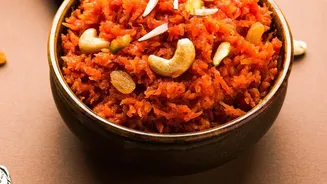
No Indian winter is complete without the aroma of Gajar ka Halwa simmering on the stove. This classic dessert is a rich pudding made by slow-cooking grated red winter carrots in milk and ghee until they become soft and creamy. The sweetness from sugar,
the fragrance of cardamom, and the crunch of pistachios and almonds make it an indulgent treat. It's traditionally served hot, making it the perfect comfort food for a chilly evening. The seasonal red carrots, which are juicier and sweeter, are what give this halwa its signature flavour and vibrant colour.
Sarson ka Saag and Makki di Roti
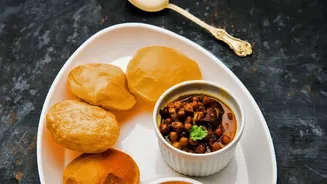
This iconic duo from Punjab is the undisputed king of winter meals. Sarson ka Saag is a hearty, flavourful dish made from mustard greens (sarson), often blended with other leafy greens like spinach and bathua to balance the sharp taste of the mustard. The greens are slow-cooked for hours until they turn into a creamy, rustic mash. It's traditionally served with a dollop of white butter and paired with Makki di Roti, a rustic flatbread made from maize flour. This combination is not just a meal but a wholesome experience, packed with nutrients that are perfect for the colder months.
Gond ke Laddu
These are more than just sweets; they are energy-packed spheres of wellness. Made from edible gum (gond), whole wheat flour, ghee, jaggery, and a generous amount of dried fruits and nuts, these laddus are a winter superfood. Gond is known for its warming properties, helping to keep the body heated during cold weather. Traditionally given to new mothers for recovery, these nutritious laddus are also excellent for boosting immunity, strengthening bones, and providing sustained energy to fight off winter sluggishness.
Undhiyu
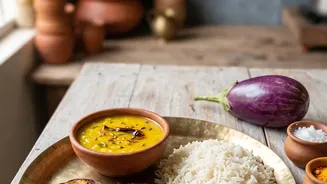
Hailing from Gujarat, Undhiyu is a one-pot mixed vegetable casserole that celebrates the bounty of winter produce. Its name is derived from the Gujarati word 'undhu', meaning 'upside down', which refers to the traditional method of cooking the dish in sealed earthen pots buried underground. It features a medley of winter vegetables like purple yam, sweet potatoes, flat beans, and small eggplants, along with fenugreek dumplings called 'muthiya'. The slow-cooking process allows the vegetables to absorb the rich, aromatic blend of coconut, garlic, and spices, resulting in a complex and deeply satisfying dish.
Panjiri
A crumbly, nutrient-dense mixture from Punjab, Panjiri is another winter staple known for its warming and healing properties. It's made by roasting whole wheat flour in ghee and mixing it with powdered sugar, nuts, seeds, and warming spices like dried ginger powder (sonth). Often consumed as a nutritional supplement, it provides a quick energy boost and is believed to aid digestion and lubricate joints, making it especially beneficial during the cold, dry season. You can eat a spoonful on its own or add it to a glass of warm milk for a comforting drink.
Kashmiri Kahwa
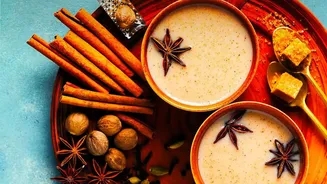
For those who prefer a lighter way to warm up, Kashmiri Kahwa is the perfect answer. This traditional green tea is a fragrant, soul-soothing brew infused with whole spices like cinnamon, cloves, and cardamom. It is typically sweetened with sugar or honey and garnished with slivered almonds and delicate strands of saffron, which give it a beautiful golden hue and a luxurious aroma. Kahwa is not just a beverage; it's a gentle, warming experience that aids digestion and provides a comforting respite from the winter chill.
Rajma Masala
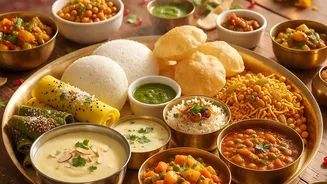
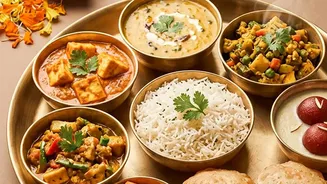
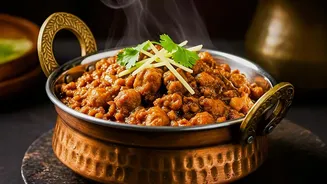
While enjoyed year-round, a slow-simmered pot of Rajma is pure comfort on a cold day. This beloved North Indian curry features red kidney beans cooked in a thick, flavourful gravy of onions, tomatoes, and a blend of aromatic spices. The slow-cooking process allows the beans to become incredibly tender and absorb all the robust flavours of the masala. Paired with steaming hot rice (Rajma-Chawal) or roti, it makes for a deeply satisfying, protein-rich meal that warms you from the inside out and feels like a hug in a bowl.