



Understanding the Unique Challenge
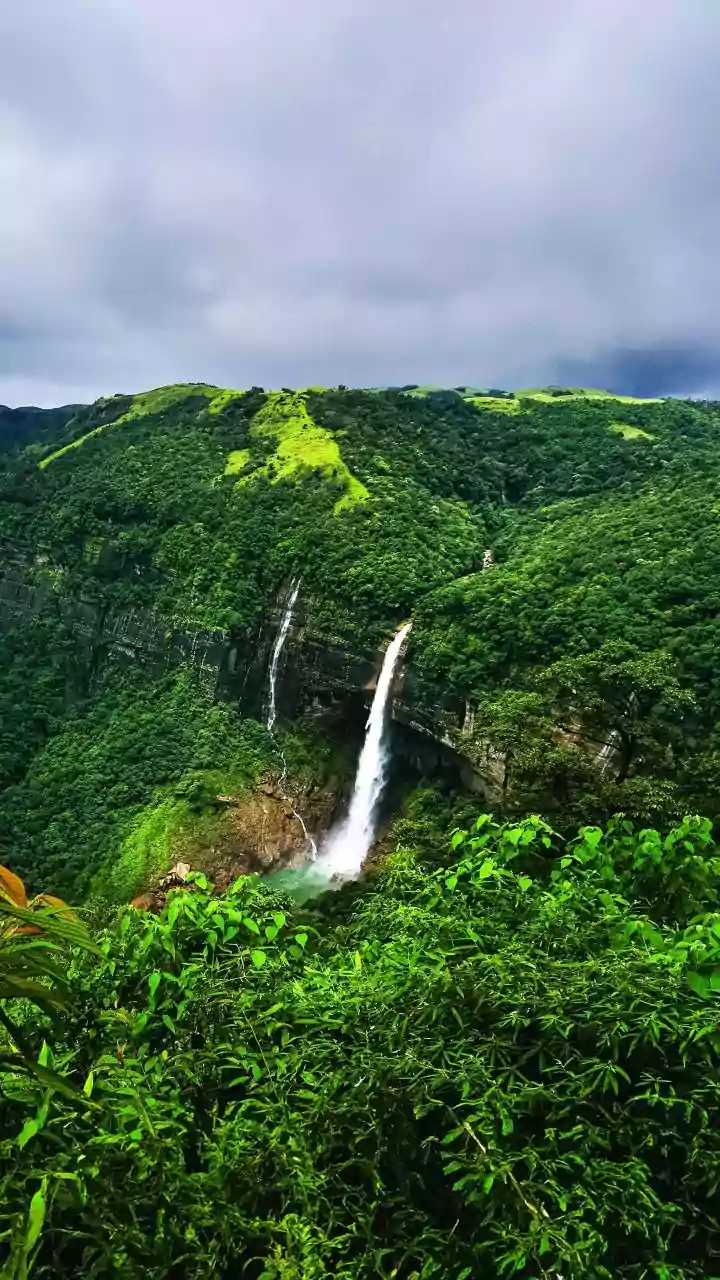
Meghalaya, one of the wettest places on Earth, is home to rivers that are in a league of their own. Unlike the more predictable glacier-fed rivers of the Himalayas, Meghalaya's waterways like the Kynshi and Umngot are primarily monsoon-fed. This means
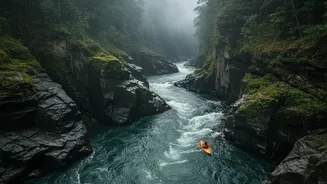
their character can change dramatically, with water levels fluctuating based on recent rainfall. These rivers carve through deep, remote gorges, creating a high-volume environment characterized by powerful currents, massive rapids, and complex features known as “boulder gardens”. This is not a destination for novice paddlers; expeditions here are serious undertakings on Class IV and V water, demanding advanced skills, meticulous planning, and an unwavering commitment to safety.
Essential Gear: Beyond the Basics
Standard equipment is just the starting point. Every paddler must wear a high-quality, properly fitted Personal Flotation Device (PFD) and a helmet suitable for whitewater. However, for Meghalaya's challenging canyons, your gear list needs to be more comprehensive. A reliable spray skirt is essential to prevent your kayak from flooding in large waves. Given the potential for cold water and changing weather, a wetsuit or drysuit is crucial for thermal regulation to prevent hypothermia. Footwear should consist of sturdy, closed-toe water shoes with good grip for navigating slippery rocks during scouts or portages. For multi-day trips, emergency equipment is non-negotiable. This includes a throw rope, a first-aid kit, a repair kit for your boat, and reliable communication devices. Never venture out with gear that is old, ill-fitting, or damaged.
The Right Guide and Operator
Paddling in Meghalaya's high-volume canyons should never be a solo affair. Going with a certified guide or a reputable tour operator is the single most important safety decision you can make. A professional guide possesses intimate knowledge of the river, its rapids, and potential hazards. They are trained in advanced rescue techniques and carry comprehensive safety equipment. When choosing an operator, ask about their guide-to-client ratio, their safety protocols, and their emergency action plan. Reputable companies will conduct a thorough safety briefing before every trip, ensuring all participants understand commands, procedures, and what to do in an emergency. Do not compromise on expertise; a qualified guide is your lifeline in these demanding environments.
Prerequisite Skills and Physical Fitness
These expeditions are physically and technically demanding. Paddlers must have proven experience on difficult (Class IV/V) whitewater. You need to be a competent swimmer and comfortable in turbulent water. Essential skills include a reliable roll, the ability to read water to identify hazards like holes and strainers, and knowledge of self-rescue and group rescue techniques. Physical fitness is also a key factor; you need the stamina for long days of paddling and the strength to handle potentially gruelling portages around unrunnable rapids. It is highly recommended to take a certified whitewater rescue course before attempting a trip of this magnitude. Being honest about your skill level is critical—underestimating the river is a recipe for disaster.
On-Water Safety Protocols
Once on the river, a strict safety-first mindset must prevail. Always paddle as a group, using the buddy system and maintaining communication through signals. Before entering any significant rapid, the group should scout it from the bank to choose a safe line and identify potential hazards. Set up safety downstream with throw ropes before a paddler attempts a challenging section. If there is any doubt about the safety of a rapid, the correct decision is always to portage, or carry your boat around it. Never paddle under the influence of alcohol, as it impairs judgment and reaction time. Finally, always file a float plan: ensure someone not on the trip knows your intended route and your expected return time.