

The Building Blocks of Protein
Proteins are essential for everything from building muscle to repairing tissue. They are made up of smaller units called amino acids. There are 20 different amino acids, but our bodies can only produce 11 of them. The remaining nine, known as essential amino acids, must
come from our food. A food source is considered a 'complete protein' when it contains all nine of these essential amino acids in adequate amounts. Most animal-based foods like dairy, eggs, and meat fall into this category. On the other hand, most plant-based foods are 'incomplete,' meaning they are low in one or more essential amino acids.
The Power of Pairing: A Perfect Match
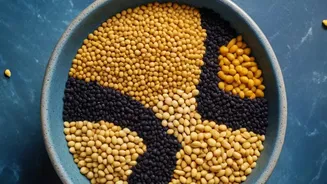
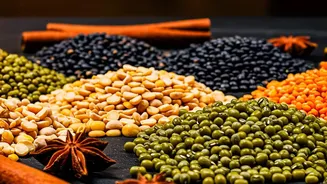
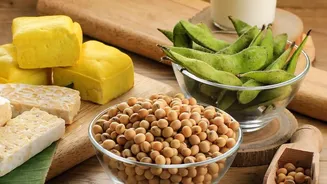
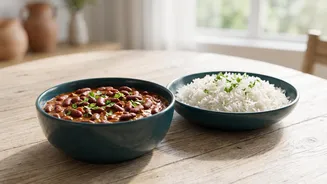
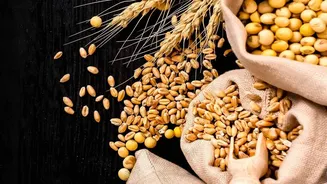
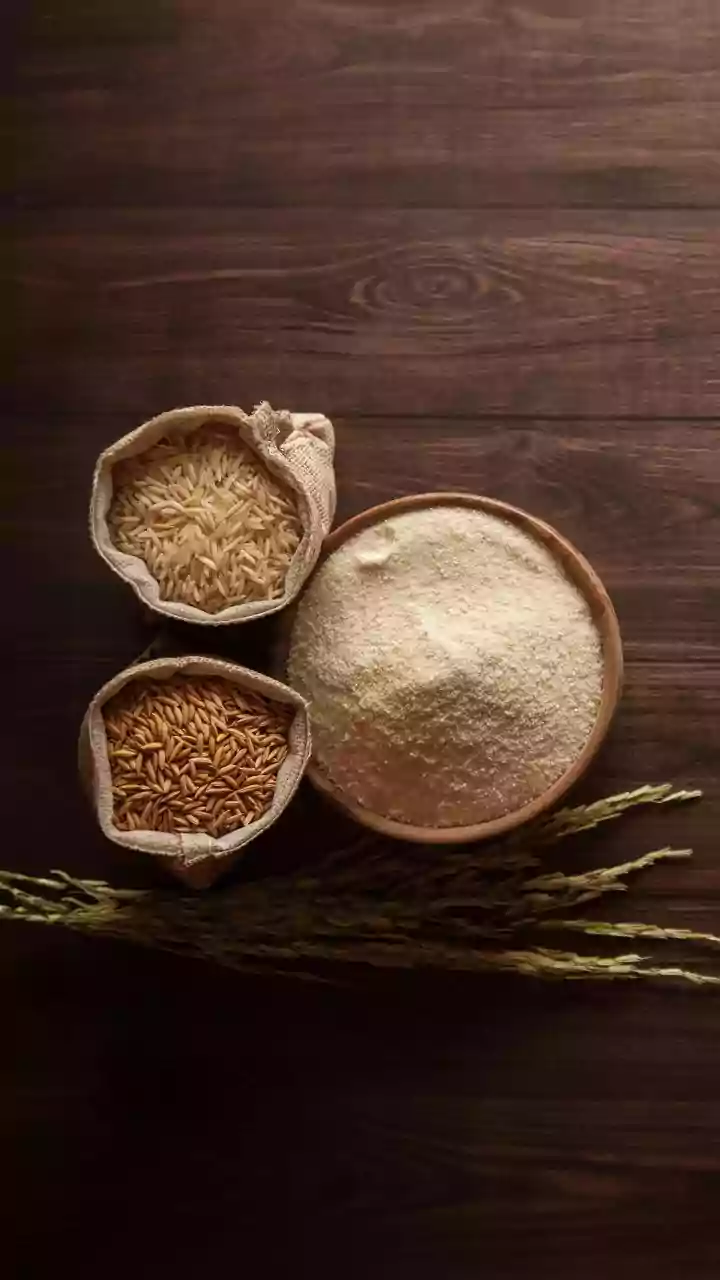
This is where the concept of protein complementarity comes in. Think of it as teamwork. Different plant foods have different strengths and weaknesses in their amino acid profiles. The two essential amino acids to be most aware of in a vegetarian diet are lysine and methionine. Generally, grains like rice and wheat are low in lysine but have sufficient methionine. Legumes, such as lentils (dal), chickpeas (chana), and beans (rajma), are the opposite; they are rich in lysine but low in methionine. When you eat them together, they compensate for each other’s limitations, and you get all nine essential amino acids in one go.
Traditional Indian Thalis: Complete Protein by Design
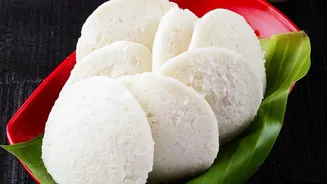
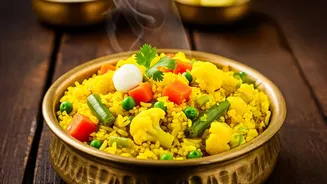
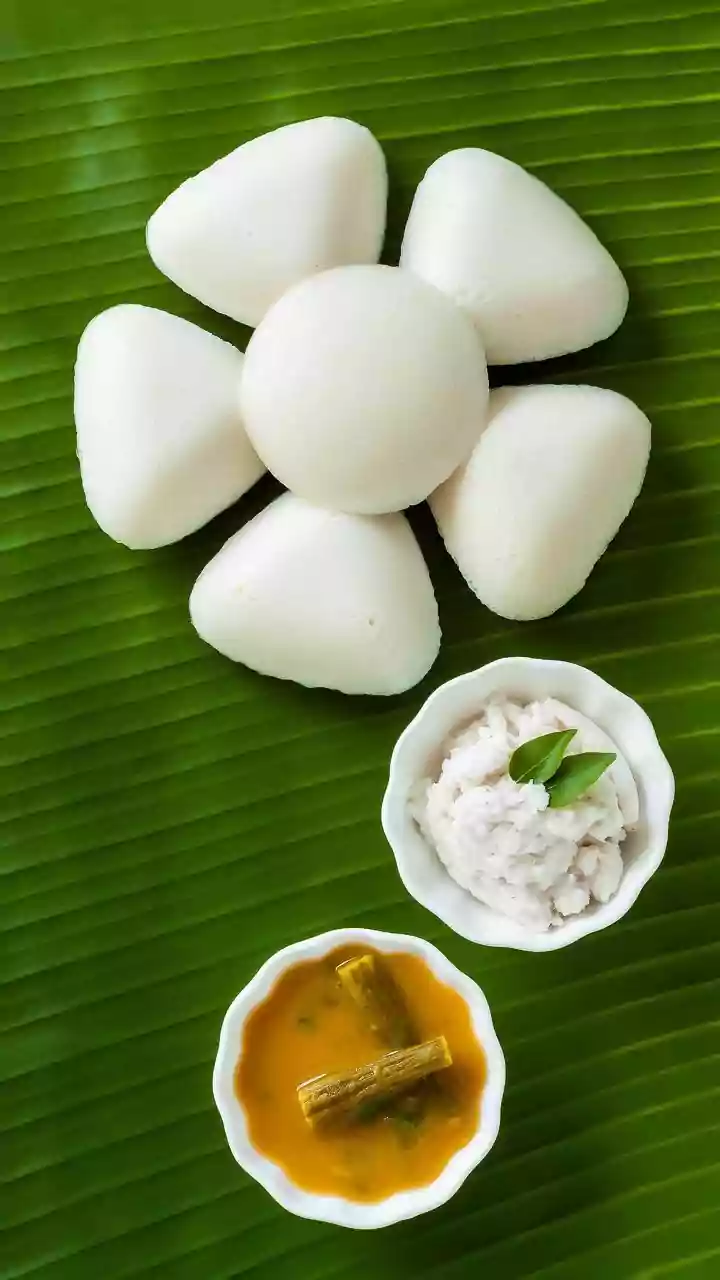
The beauty of Indian cuisine is that it has been practising protein pairing for centuries, long before the science was understood. These combinations are not just delicious and comforting; they are nutritionally strategic. Some classic examples include: Dal and Chawal (Lentils and Rice): This is the quintessential example. The lysine from the dal complements the methionine from the rice, creating a complete protein powerhouse that fuels millions daily. Roti and Dal/Rajma: Similar to rice, wheat-based roti is low in lysine. Pairing it with any dal or a serving of rajma fills that gap, making your everyday meal nutritionally whole. Idli/Dosa with Sambar: The batter for idli and dosa is made from a fermented blend of rice and urad dal. This combination, paired with a sambar full of lentils and vegetables, provides a complete amino acid profile. Khichdi: This one-pot comfort meal, made by cooking rice and moong dal together, is a perfect example of a complete protein dish that is also easy to digest. * Hummus and Pita: Made from chickpeas and sesame seeds (tahini), hummus is another excellent source. When eaten with whole-grain pita bread, it forms a complete protein.
Do I Need to Pair at Every Meal?
In the past, it was believed that you needed to eat complementary proteins in the same meal for your body to use them effectively. However, modern nutritional science has shown this isn't strictly necessary. Your body maintains a pool of amino acids throughout the day. As long as you consume a variety of grains, legumes, nuts, and seeds over the course of the day, your body can pull what it needs to form complete proteins. So, having dal for lunch and roti for dinner still works.
Decoding Protein Quality Scores
So, where do 'protein quality scores' fit in? Scientists use scoring systems to measure how well a protein can be digested and used by the body. The two most common are the Protein Digestibility Corrected Amino Acid Score (PDCAAS) and the newer Digestible Indispensable Amino Acid Score (DIAAS). PDCAAS is the current standard used for food labelling and scores proteins on a scale of 0 to 1.0, with 1.0 being the highest quality. Animal proteins like milk and eggs score a 1.0. While individual plant proteins score lower, the complementary effect of pairing them, like rice and beans, significantly raises their collective quality. You don't need to calculate these scores yourself; they are simply the scientific validation behind the traditional food pairings we already enjoy.