





The Comfort of a Craving
There’s a scientific and emotional reason we reach for fried foods when it rains. The drop in temperature and lack of sunlight can cause a dip in serotonin, our happy hormone. The body, in response, craves carbohydrates and comforting foods to get a quick
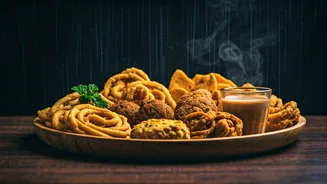
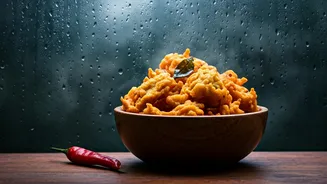
mood boost. Add to this the nostalgia and emotional comfort associated with sharing hot snacks with family on a rainy evening, and the craving becomes almost instinctual. The crunchy texture of fried food provides a satisfying contrast to the damp, humid weather, making snacks like bhajiyas and samosas feel especially appealing. While occasional indulgence is part of the season's charm, making it a daily habit can strain your digestive system, which tends to be weaker during the monsoon.
The Street Food Risk Factor
The biggest challenge during the monsoon is the increased risk of foodborne and water-borne illnesses. The high humidity creates a perfect breeding ground for harmful bacteria, viruses, and fungi. Street food, as tempting as it is, becomes particularly risky. Water used for cooking, preparing chutneys, or making the 'pani' for golgappas can be contaminated, especially after the first few rains wash pollutants into water sources. Open food stalls are also more exposed to flies and dust. Pre-cut fruits, raw salads, and chutneys that sit out for hours can quickly become unsafe. Even fried snacks can pose a risk if prepared in unhygienic conditions or with oil that has been reused multiple times.
Foods to Approach with Care
To stay healthy, it's wise to be selective about your monsoon diet. High-risk items often include anything that involves uncooked water, such as pani puri, bhel puri, and juices from street vendors. Leafy green vegetables like spinach and cabbage are best avoided in raw form, as the damp folds can harbour germs and larvae; they should be thoroughly washed and well-cooked if consumed. Seafood is also considered risky as this is the breeding season for many fish and prawns, which increases the chances of spoilage and contamination. Similarly, dairy products like paneer and curd can spoil faster in the humid weather and are best consumed fresh from reliable sources.
Smarter, Safer Snacking at Home
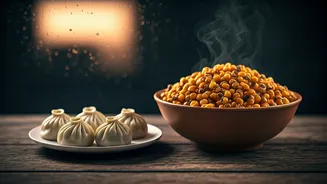
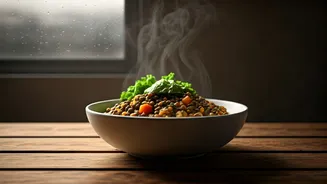
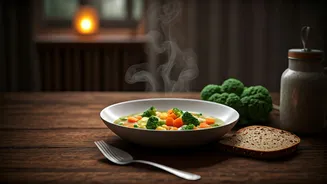
The best way to enjoy monsoon flavours without the risk is to prepare snacks at home where you can control the hygiene and ingredients. A plate of homemade pakoras is significantly safer than its street-side equivalent. For an even healthier approach, you don't have to give up on crunch. Try baking, roasting, or air-frying your favourite snacks. You can make baked samosas, air-fried pakoras, or baked sweet potato wedges to cut down on oil. Roasting corn on the cob (bhutta) is a classic and safe monsoon delight. Other excellent options include steamed dishes like dhokla and idli, or a warm bowl of soup. Snacks like roasted makhana (fox nuts) or a simple sprout chaat are also light, nutritious, and satisfying.
Build Your Immunity
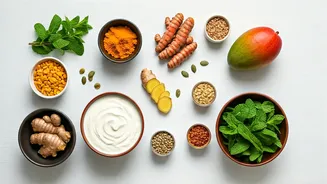
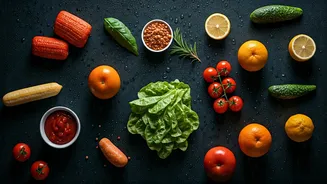
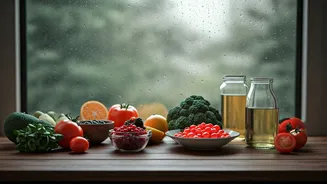
Beyond avoiding risky foods, strengthening your immune system is a key defence during this season. Incorporate immunity-boosting ingredients into your diet. Spices like turmeric, ginger, and garlic not only add flavour but also have anti-inflammatory and anti-bacterial properties. Ensure you're getting enough protein from sources like dals, legumes, and eggs to help your body stay strong. Including seasonal fruits rich in Vitamin C, such as apples, pomegranates, and pears, can also support your immune function. Staying hydrated is crucial, but stick to boiled or filtered water and warm beverages like herbal teas instead of cold, carbonated drinks that can slow digestion.