






The Great Travel Slowdown
The resurgence of train travel is deeply connected to the wider 'slow travel' trend that is defining tourism in 2026. After years of checklist-driven trips that often left them needing a holiday from their holiday, travellers are now prioritising intention
and connection over speed. Instead of rushing between cities, they are choosing to spend more time in a single place, immersing themselves in local culture. This deliberate shift away from vacation burnout naturally favours the pace of train travel, where the journey is an integral part of the experience, not just a means to an end. It's a rebellion against the idea that faster is always better, focusing instead on a more restorative and meaningful way to see the world.
A Greener Track Forward
A growing awareness of the climate crisis is a significant driver behind the move to rail. With 'flight shame' becoming a real consideration for many, travellers are actively seeking lower-impact ways to explore. The numbers are compelling: train travel can produce up to 90% fewer carbon emissions than flying. A journey by rail generates significantly less CO₂ per passenger-kilometre compared to a plane. In Europe, where rail infrastructure is extensive, this has led to a renaissance for train travel, especially for journeys under 1,000 kilometres. It's a choice that allows holidaymakers to reduce their carbon footprint without sacrificing their love for travel.
The Journey Becomes the Destination
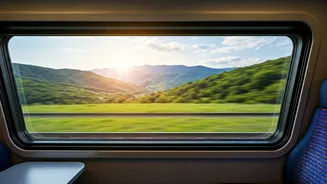
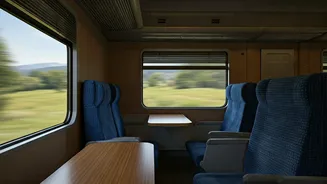
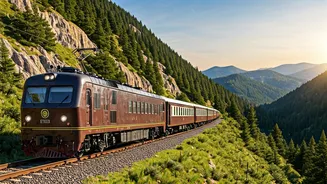
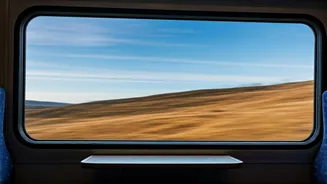
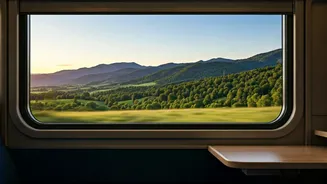
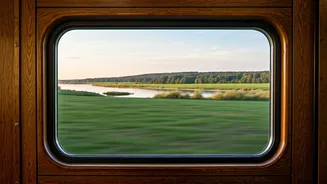
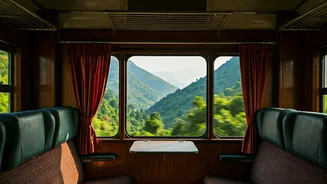
Unlike being sealed in a pressurised cabin miles above the ground, train travel keeps you connected to the world you're traversing. The window becomes a constantly changing screen showing real-life scenery, from epic mountain passes to charming coastal routes. In India, scenic journeys like the Darjeeling Himalayan Railway, the Konkan Railway along the coast, and the new routes through Kashmir offer breathtaking views that are an attraction in themselves. Vistadome coaches with panoramic windows are making these routes even more popular. The experience on board is also more relaxed and social, with the freedom to walk around, dine comfortably, and meet fellow travellers—a stark contrast to the cramped confines of a budget airline.
A Renaissance of Routes and Comfort
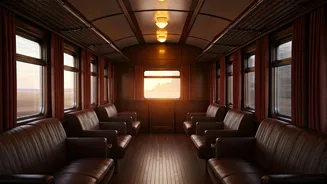
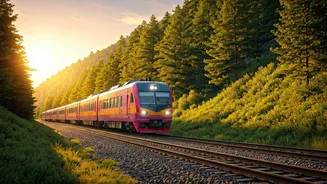
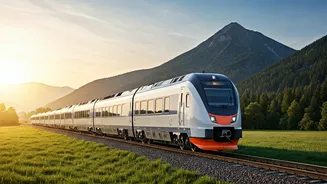
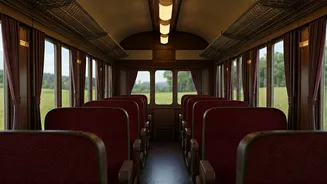
Rail operators are responding to this renewed interest with significant investment. In Europe, there's a major comeback for sleeper trains, with revived and brand-new routes connecting cities like Paris, Vienna, Berlin, and Brussels overnight. These aren't the stuffy carriages of the past; modern sleeper trains offer comfortable private cabins, some with their own showers. In India, the launch of the Vande Bharat Sleeper Express is set to modernise overnight travel, while luxury trains like the Maharajas' Express continue to offer opulent, hotel-like experiences. This focus on comfort and convenience is making the train a practical and appealing alternative to a short-haul flight, saving a day of travel and a night's hotel bill.
The Smart Traveller's Calculation
While budget airline fares can seem tempting, savvy travellers are now looking at the total cost of a trip from door to door. Train tickets are often more inclusive, with generous luggage allowances and no hidden fees for seat selection. Stations are almost always located in city centres, saving time and money on expensive airport transfers. When you factor in arriving at the station just 30 minutes before departure, versus the two-hour-plus ordeal at an airport, the time saved can be significant, especially on shorter routes. It’s a calculation that increasingly shows rail travel as not just more pleasant, but often more economical and efficient.