




The Rise of a New Tea Ritual
For generations, the rhythm of Indian life has been punctuated by the steam and spice of hot chai. But as wellness and craft culture gain momentum, a new beverage is finding its place: the cold-brewed herbal tea. This isn't your standard iced tea, which
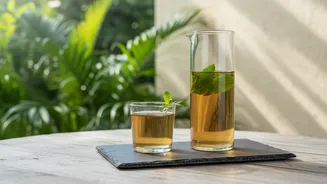
is often just hot-brewed tea poured over ice. Instead, this is a slow, deliberate process where tea leaves and herbs are steeped in cold water for hours. The result is a drink that's smoother, naturally sweeter, and exceptionally refreshing, offering a modern alternative for a new generation of tea drinkers looking for clean, functional beverages.
Celebrating Terroir with Single-Estate Teas
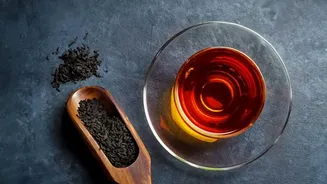
At the heart of this trend is the concept of single-estate tea. Much like single-origin coffee or fine wine, a single-estate tea comes from one specific tea garden or estate. This is a departure from many mass-market teas, which are blended from multiple sources to ensure a consistent flavour year after year. Proponents of single-estate teas cherish their unique character, which is shaped by the specific 'terroir'—the soil, climate, and altitude of the region where they are grown. This allows consumers to taste the distinct nuances of a Darjeeling, Assam, or Nilgiri tea in its purest form, reflecting the craftsmanship of the tea master who processed it.
The Gentle Art of Cold Brewing
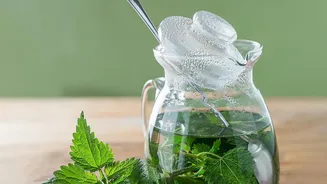
Cold brewing is more of a patient infusion than an aggressive extraction. Steeping tea leaves in cold water over a period of 8 to 12 hours draws out the flavours more gradually. This gentle process extracts fewer tannins, the compounds responsible for the bitter or astringent taste sometimes found in hot-brewed tea. The resulting brew is noticeably smoother and less acidic, allowing the more delicate and complex flavour notes of the single-estate leaves to shine through. Furthermore, scientific studies suggest that cold brewing can preserve more antioxidants while extracting less caffeine, making it a gentler option for the body.
Infusing Wellness with Indian Herbs
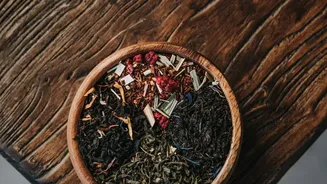
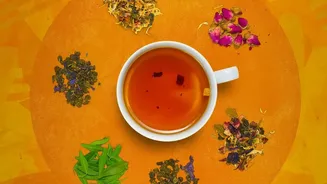
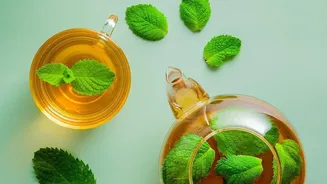
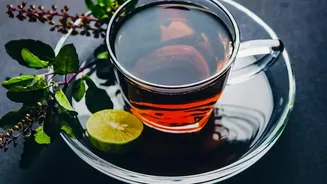
The final layer of this craft is the infusion of natural herbs, a practice deeply rooted in Indian wellness traditions like Ayurveda. Brands are thoughtfully combining their single-estate teas with a variety of botanicals, each chosen for its flavour and functional properties. Common additions include the soothing freshness of mint, the citrusy zest of lemongrass, the calming floral notes of chamomile and hibiscus, and the earthy, balancing properties of Tulsi (holy basil). These infusions are not just about creating interesting flavour profiles; they are about crafting a beverage that supports daily well-being, from aiding digestion to promoting relaxation.
A Movement Towards Mindful Consumption
This growing movement is led by a new wave of Indian craft tea brands that prioritize transparency, quality, and sustainability. By focusing on single-estate sourcing, they often foster direct relationships with growers, ensuring ethical practices and supporting local communities. For the consumer, it represents a shift towards more mindful consumption—knowing where your tea comes from, how it was made, and the story behind its unique flavour. It transforms the simple act of drinking tea into a sensory journey, connecting the drinker to the specific landscape and craft that produced it.