


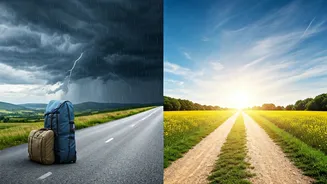



From All-Day Haul to Morning Jaunt
The single greatest change brought by India's new network of expressways is the drastic reduction in travel time. The most prominent example is the Delhi-Dehradun Expressway, which has cut the journey from a grueling six hours to a swift 2.5 hours. What
was once a journey that required a Friday night departure to maximize weekend time has now become a manageable Saturday morning drive. This shift means less fatigue and more flexibility. Instead of arriving exhausted, travelers can reach their destinations like Dehradun, Mussoorie, or Haridwar feeling fresh and ready to explore. This fundamental change transforms the very nature of the trip from a logistical challenge into a spontaneous, pleasurable option.
More 'There,' Less 'Getting There'
Slicing hours off the commute directly translates to more time spent at the destination. Saving three hours each way on a trip to the Uttarakhand hills adds a total of six hours to your weekend. This is the difference between a rushed, checklist-driven trip and a genuinely relaxing one. That extra time can be used for a leisurely trek, an extended cafe visit, or simply sleeping in without feeling guilty. This shift in the time equation makes two-night stays feel significantly more restorative and less hurried. The focus of the weekend moves away from the journey itself and back to the experience of being in the hills, effectively lengthening your holiday without taking extra days off work.
Putting New Destinations on the Map
For city dwellers in places like Delhi, Mumbai, and Bengaluru, the weekend travel map has been redrawn. Destinations that were previously considered too distant for a standard two-day break are now viable contenders. For Mumbaikars, the Samruddhi Mahamarg has made getaways to Nashik and Igatpuri feel like an extension of the city, perfect for a quick monsoon escape. Similarly, the Bengaluru-Mysuru Expressway has made the cultural hub of Mysuru an effortless 90-minute drive. These corridors are not just making old favorites more accessible; they are encouraging the exploration of new, less-crowded locales that were once out of reach for a short trip, helping to distribute tourist traffic beyond the usual hotspots.
A Boost for Local Economies
The benefits of this enhanced connectivity extend beyond the tourists. For the hill stations themselves, easier access means a more consistent flow of visitors, providing a significant boost to local economies. Hotels, homestays, restaurants, and local tour operators all stand to benefit from the rise in weekend tourism. This infrastructure development acts as an economic corridor, fostering trade and creating new opportunities for employment and investment in regions that have traditionally been reliant on seasonal tourism. As these towns become easier to reach, they also become more attractive for second-home investments and small business development, creating a positive ripple effect throughout the community.
Tips for Your First Expressway Trip
While these new roads offer a smooth and fast journey, a little planning goes a long way. These are access-controlled highways, often with speed limits around 100 km/h, so ensure your vehicle is in good condition, particularly the tires. Be aware that amenities like restaurants and fuel stations can still be sparse on newly opened stretches, so it's wise to start with a full tank and pack some snacks. Also, remember that while the expressway gets you there quickly, the last-mile connectivity to smaller hamlets might still be on narrower hill roads. Finally, be mindful of the ecological sensitivity of these regions; while access has improved, the risk of overcrowding and environmental strain is real, making responsible tourism more important than ever.