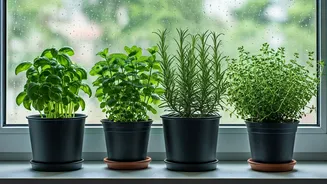




1. Holy Basil (Tulsi)
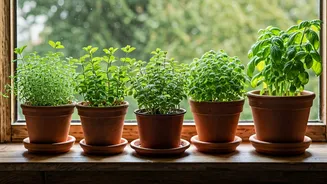
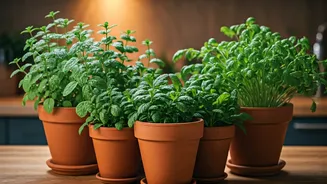
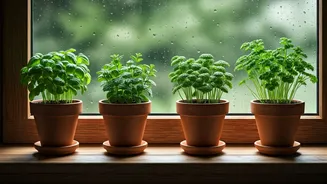
A staple in many Indian homes, Tulsi is revered for its aromatic and medicinal properties. To grow it indoors, place your pot in a sunny, south-facing window where it can get at least 4-6 hours of direct sunlight daily. Use a well-draining potting mix;
regular garden soil can be too dense and lead to root rot. A mix of red soil, vermicompost, and cocopeat is ideal. Water your Tulsi plant when the top inch of the soil feels dry, but avoid making the soil soggy. Daily watering in the morning is usually best during hot weather. To encourage a bushier plant, pinch off the flowering buds (manjiri) before they bloom. For safety, Tulsi is considered non-toxic to dogs and cats, but should only be consumed in very small, occasional amounts.
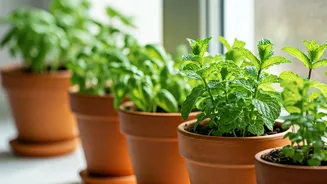
2. Mint (Pudina)
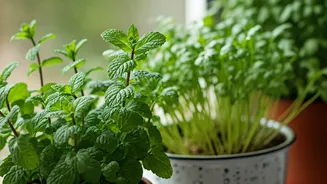
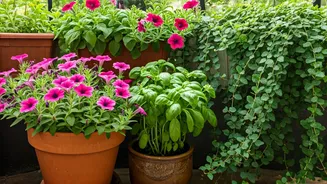
Mint is a forgiving and fast-growing herb, perfect for beginners. Unlike other sun-loving herbs, mint tolerates partial shade, thriving with 3-4 hours of indirect light, making it ideal for windows that don't get intense sun. It prefers consistently moist soil, so check it daily and water when the top layer feels dry. However, ensure the pot has good drainage to prevent waterlogging. Mint is a vigorous spreader, so it’s best to give it its own pot — a wide, shallow container is perfect for its horizontal growth habit. Harvest regularly by snipping the top leaves to encourage bushier growth. Most varieties like spearmint and peppermint are safe for pets, but they should only eat a few leaves. The Pennyroyal variety (Mentha pulegium) is toxic and must be avoided.
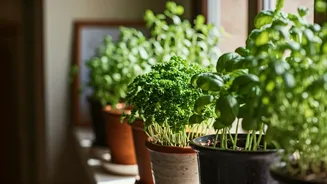
3. Coriander (Dhania)
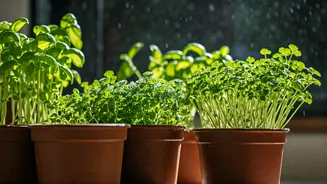
Fresh coriander is a must-have for Indian cooking. Growing it from seed is the best approach, as it doesn't like being transplanted. You can use whole coriander seeds from your kitchen, but gently splitting them in half first will improve germination. Sow the seeds about half an inch deep in a wide pot with well-draining soil. Coriander prefers cooler temperatures and can grow in a spot that gets about 4-5 hours of sunlight. Too much hot sun can cause it to 'bolt' (flower prematurely). Keep the soil consistently moist but not drenched. You can start harvesting the outer leaves once the plant is about 4-6 inches tall. This regular harvesting will encourage more leaves to grow. Coriander is safe for pets like dogs to consume in small quantities.
4. Rosemary
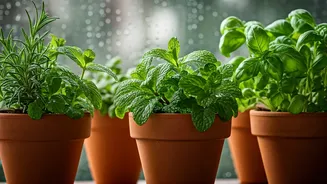
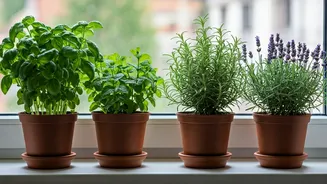
Rosemary is a fragrant, woody herb that loves sunshine. It needs a minimum of 6-8 hours of direct sunlight, so a south-facing window is the best location for it indoors. The biggest mistake with rosemary is overwatering. It is drought-tolerant and prefers its soil to be on the drier side. Water thoroughly only when the top inch or two of soil is completely dry, and ensure your pot has excellent drainage. A terracotta pot is a great choice as it allows the soil to dry out faster. You can propagate rosemary easily from cuttings. When it comes to safety, rosemary is non-toxic to dogs and cats and is even used as a natural preservative in some pet foods, but should still only be consumed in small amounts.