




Unlocking a Hidden Gem
Parvathipuram Manyam, a district rich in dense forests, beautiful valleys, and cascading waterfalls, has long held immense, yet largely untapped, tourism potential. Its rugged terrain and natural beauty make it a prime location for adventure seekers.
For years, however, many of these stunning sites were inaccessible. Now, a concerted effort by the district administration is turning this potential into a reality, focusing on developing the region into a vibrant hub for eco-tourism and adventure sports, while ensuring the benefits flow directly to the local population. A recent surge in visitors, with officials reporting three lakh tourists in just three months to see the waterfalls, highlights the success of these initial efforts.
Adventure on Two Wheels and Foot
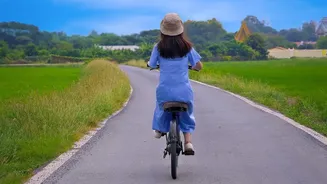
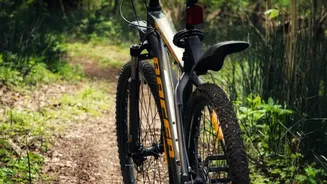
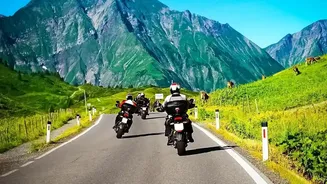
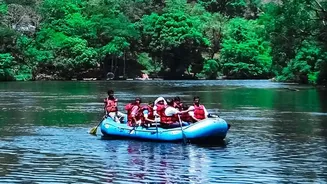
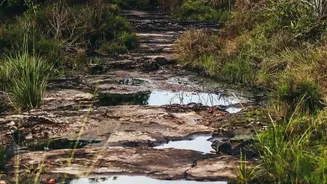
The administration is rolling out a series of ambitious plans to attract tourists. A key initiative is the introduction of 'bike tourism', which will allow visitors to explore the forests and scenic hills on motorcycles along specially identified 30-km routes. This builds on the success of the state's first tribal bike taxi service, where local Adivasi youth ferry tourists to 16 remote waterfalls that were previously reachable only by trekking several kilometres. In addition to biking, the district has identified 12 new trekking routes, with six being developed in the first phase. These trails will offer picturesque views of waterfalls and hilltop vistas, with plans for overnight stays and campfires to enhance the experience.
Community at the Core
What makes the Manyam model truly special is its deep integration with local communities. This is not a top-down project; it's a partnership. Under the central government's 'Adi Karma Yogi' initiative, local Adivasis are leading the development. They have stepped forward to clear paths, build bamboo bridges, and create rope supports for tourists, often using their own innovative ideas that prove more effective and cost-efficient than planned projects. Local tribal people have been instrumental in creating access routes to previously hard-to-reach waterfalls. The administration is now providing financial assistance and loans to help these communities set up shops, food stalls, and operate transport services, turning them into stakeholders of the tourism economy.
Creating Livelihoods, Preserving Culture
The primary goal of this tourism drive is to create sustainable livelihood opportunities for the tribal youth. By training them as trekking guides, taxi operators, and service providers, the initiative provides a direct source of income. This economic empowerment is coupled with a strong focus on cultural preservation. A new tribal museum is being established in Seethampet to showcase the unique traditions and heritage of the region's communities. The approach ensures that while the district opens up to tourists, its cultural heart remains protected and celebrated, offering visitors a richer, more authentic experience.
The Road Ahead
The transformation of Parvathipuram Manyam into a tourism hub is well underway, with the development of at least 10 major waterfalls and viewpoints like Adali. The administration is focused on building essential infrastructure, including rest shelters, safe riding routes, and online booking systems for accommodation and meals. However, the journey also comes with challenges. Ensuring that this rapid development is sustainable is crucial. Officials are launching campaigns for plastic-free zones to protect the pristine environment. As seen in other regions, balancing tourist influx with the preservation of local culture and ecology will be the key to long-term success. The potential for disputes over land and resource rights also necessitates careful, inclusive planning with mandatory consent from local councils (Gram Sabhas), an issue that has led to legal challenges in nearby districts.