


A Summer Spectacle from Deep Space
The Perseid meteor shower is a reliable and dazzling event that graces our skies every year from mid-July to late August. These 'shooting stars' aren't stars at all, but tiny fragments of ice and rock shed by a massive comet named 109P/Swift-Tuttle. This
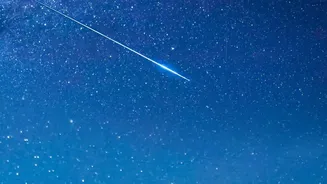
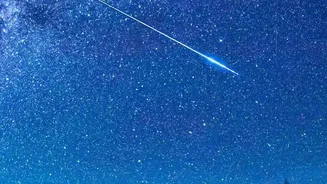
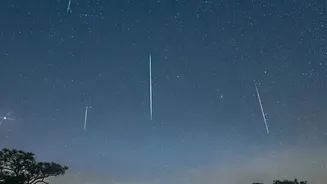
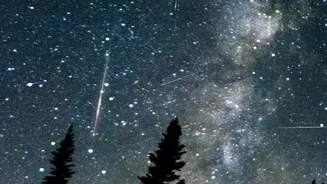
comet, which has a nucleus about 26 kilometres wide, orbits the sun every 133 years, leaving a dusty trail of debris in its wake. Every August, Earth's own orbit takes us directly through this ancient debris field. When these sand-grain to pea-sized particles slam into our atmosphere at blistering speeds of around 59 kilometres per second, they burn up, creating the brilliant streaks of light we call meteors.
Why 2026 Offers a Perfect View
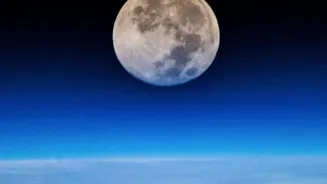
While the Perseids are an annual event, some years are far better than others. The single biggest factor for a great viewing experience is the phase of the moon. A bright full or gibbous moon can act like celestial light pollution, washing out all but the brightest meteors. But in 2026, the timing is perfect. The shower's peak on the night of August 12-13 coincides perfectly with the new moon. This means the sky will be completely dark, offering ideal conditions to spot even the fainter streaks of light and maximizing the number of meteors you can see. Astronomers are excited, as this pristine viewing opportunity is one of the best in several years.
Mark Your Calendar: Prime Viewing Times
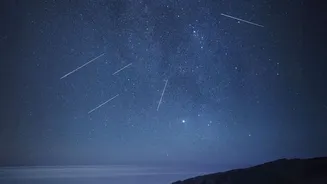
The shower is active for weeks, but the main event happens during the peak. For 2026, mark your calendar for the night of Wednesday, August 12, into the pre-dawn hours of Thursday, August 13. While you can start looking as soon as it gets dark, the show gets progressively better as the night deepens. The absolute best time to watch is from midnight until just before dawn. This is when the shower's radiant—the point in the sky where the meteors appear to originate, in the constellation Perseus—climbs higher, increasing the number of meteors visible. The peak is predicted to occur around 14:53 UTC on August 13, making the hours leading up to dawn on that day prime time for viewers across India and Asia.
Your Viewing Guide: Tips for Success
You don't need any special equipment to enjoy the Perseids—in fact, binoculars or a telescope would limit your field of view. Your eyes are the best tools for the job. The most important step is to get away from city lights. Find a dark, open spot like a park, a rural area, or even a designated dark-sky preserve if one is nearby. Once you're settled, lie back on a blanket or a reclining chair and simply look up. Give your eyes at least 20-30 minutes to fully adjust to the darkness; avoid looking at your phone screen, as the white light will ruin your night vision. While the meteors radiate from the constellation Perseus in the northeast, they can appear anywhere in the sky, so a wide-open view is best.
What to Expect During the Show
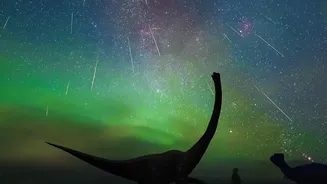
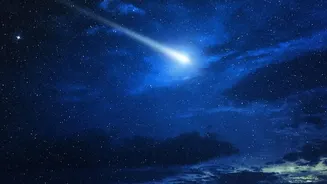
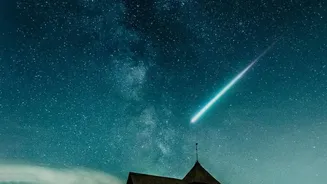
Under perfect, dark-sky conditions, the Perseids can produce between 50 and 100 meteors per hour at its peak. For most observers in suburban or rural areas, seeing 30 to 50 meteors an hour would be a fantastic show. Be patient; meteors often come in spurts, with quiet moments followed by several in quick succession. The Perseids are known for being fast and bright, often leaving persistent trails of light behind them. Keep an eye out for exceptionally bright meteors known as fireballs, which are caused by slightly larger pieces of comet debris and can light up the entire sky for a breathtaking moment.