
The Khoya Test: Check for Starch
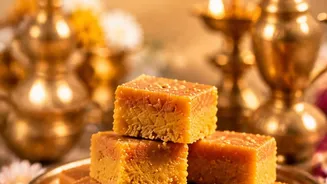
Khoya, or mawa, is the heart of many beloved sweets like barfi and peda, but it's also one of the most commonly adulterated ingredients. Unscrupulous sellers often mix it with starch, mashed potatoes, or even blotting paper to increase its bulk. A simple
test recommended by the Food Safety and Standards Authority of India (FSSAI) can reveal this. Take a small sample of the khoya, dissolve it in hot water, and let it cool. Then, add a few drops of iodine tincture. If the solution turns blue, it confirms the presence of starch, and the sweet is best avoided. Pure khoya should also have a slightly oily, grainy texture and a rich, milky aroma.
Watch for Vivid, Unnatural Colours
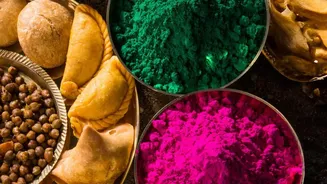
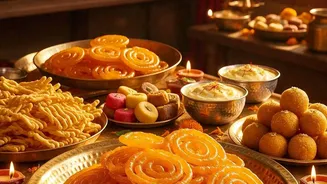
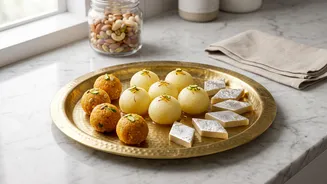
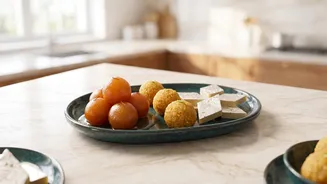
If a sweet boasts a colour that looks too bright to be true, it probably is. Some sellers use non-permitted, industrial dyes like metanil yellow to make laddoos and other sweets look more appealing and fresh. These chemical dyes are toxic and have been linked to serious long-term health problems. Permitted food colours are typically less intense and more natural-looking. To stay safe, opt for sweets with milder colours or those made from naturally colourful ingredients like saffron or beetroot. Always be wary of any sweet that leaves a strong stain on your fingers or tongue, as this is a tell-tale sign of low-quality, synthetic dyes.
The 'Silver' Vark That Isn't Silver
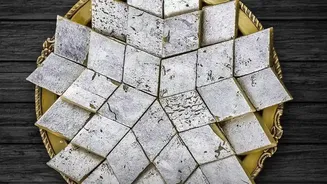
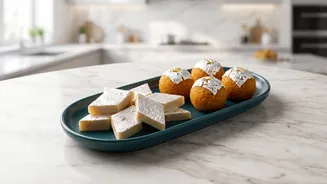
The delicate silver foil, or vark, that adorns kaju katli and other sweets is meant to be pure, edible silver. However, it's often substituted with cheaper and dangerous aluminium foil. Aluminium is a heavy metal that can accumulate in the body and harm your health. There's a very simple way to tell the difference. Gently rub the foil on the sweet with your finger. Real silver vark is incredibly delicate and will disintegrate and disappear into your skin. Fake vark made from aluminium is tougher; it will not break apart easily and will instead roll up into a tiny, solid ball.
A Simple Taste, Touch, and Smell Test
Your senses are your first line of defence. Before buying, if possible, ask for a small sample or, at the very least, pay close attention to the product on display. Freshly made sweets should have a pleasant, inviting aroma of ghee, milk, and sugar. If you detect a stale, sour, or rancid smell, it's a clear sign that old ingredients or oils have been used. The texture also matters. The sweet should not feel excessively greasy, soapy, or watery. A soapy taste can even indicate the presence of adulterants like detergent, which is sometimes added to milk to create froth.
Check for Fungus and Expiry Dates
This may seem obvious, but in the festive rush, it's easy to overlook. Visually inspect the sweets for any signs of fungus, which usually appears as greenish-black spots. Furthermore, FSSAI regulations mandate that sweet shops display the 'Date of Manufacturing' and 'Best Before Date' for loose sweets. Always check these dates on the tray or container before you buy. This simple check ensures you are purchasing fresh products and not old stock that has been repurposed for the festival. If a vendor cannot provide this information, it's a major red flag.
Buy From Reputable, Licensed Vendors
While quick home tests are useful, the best preventive measure is to buy from a trusted source. Reputable sweet shops that value their legacy and customer loyalty are less likely to risk using adulterated ingredients. Look for shops that are clean, hygienic, and have a high customer turnover, which ensures the sweets are fresh. Most importantly, check if the shop has a visible FSSAI license number. This certification indicates that the manufacturer is subject to and compliant with the food safety and hygiene standards set by the government, giving you an added layer of assurance. Avoid buying from unknown roadside vendors, as the risk of adulteration is significantly higher.