


India’s Growing E-Waste Challenge
Look around your home, and you’ll likely find a small collection of electronic devices that are rarely, if ever, used. From old smartphones to speciality kitchen gadgets, our modern lives are filled with electronics. But this convenience comes at a cost.
India is now the world’s third-largest producer of electronic waste, generating millions of tonnes each year. Recent data shows this figure has surged dramatically, reflecting our increasing consumption of electronic goods. A significant portion of this waste, over 80 percent by some estimates, is processed in the informal sector, where unsafe methods can release toxic materials into the environment and pose serious health risks. The problem is particularly concentrated in urban centres like Mumbai, Delhi, and Bengaluru, where rapid urbanisation and technological upgrades lead to a faster churn of appliances.
Enter the Library of Things
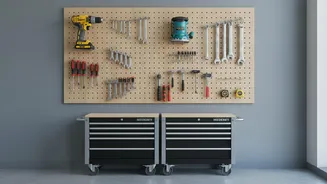
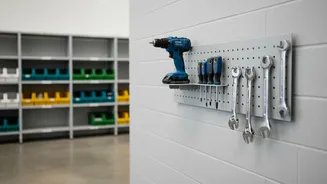
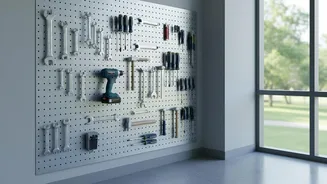
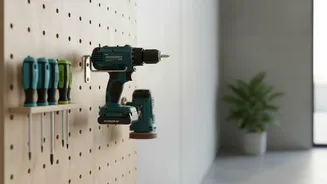
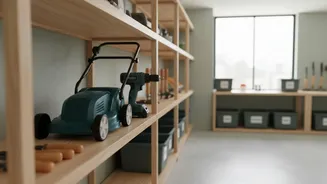
In response to this challenge, a simple yet powerful idea is gaining ground: the shared equipment bank, often called a 'Library of Things'. The concept is straightforward. Instead of every household owning a power drill, a carpet cleaner, or a high-end blender, the community collectively owns and shares a pool of these items. Residents can simply borrow an item when they need it and return it for others to use. This model directly counters the hyper-consumption that fuels e-waste. It saves residents money, frees up valuable storage space in urban apartments, and significantly reduces the number of appliances that end up in landfills prematurely. It is a practical application of the circular economy, extending the life of products through reuse.
Pioneers of the Sharing Model
This isn't just a theoretical concept; it's already happening in India. The Goethe-Institut in Kolkata, for instance, has launched a Library of Things where members can borrow items ranging from toolboxes and speakers to sewing machines. Similarly, real estate developer Planet Smart City is integrating this idea into its affordable housing projects across the country. Through a simple app, residents can browse and reserve items like ladders, drills, and other tools, making access to occasionally needed equipment seamless and sustainable. These initiatives demonstrate that the sharing model is not only viable but is being actively implemented as a value-added amenity in modern residential spaces.
Building More Than a Bank
The benefits of a shared equipment bank extend beyond environmental and financial savings. They are powerful tools for community building. The act of sharing resources fosters a sense of collective ownership and cooperation among neighbours. Many urban residential societies in India already have a strong tradition of community-led initiatives, from organising cultural festivals to establishing book libraries and managing waste segregation programs. An equipment bank is a natural extension of this spirit. It creates opportunities for interaction, builds trust, and strengthens social bonds within the apartment complex, transforming a collection of households into a more integrated and supportive community.
Starting in Your Own Community
The idea of setting up a shared equipment bank might sound daunting, but it can start small. A resident welfare association (RWA) or even a small group of interested neighbours can begin by pooling a few common items. Hand tools, step ladders, and a few popular kitchen appliances are great starting points. The key is to establish clear and simple guidelines from the outset. A dedicated WhatsApp group or a simple spreadsheet can be used for booking and tracking. Rules around usage, returning items in good condition, and a process for maintenance or repair are essential. By starting with a small, manageable pilot, communities can build momentum and demonstrate the value of the initiative, encouraging more residents to participate and contribute.