




More Than Just a Weekend Away
The idea of a weekend trip is hardly new. For years, city dwellers have sought refuge in nearby hill stations or beach resorts. Yet, what we're seeing now is a distinct shift in intention. A heritage-led short trip is not simply about a change of scenery;
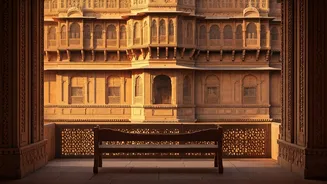
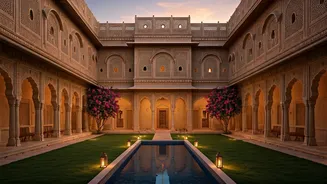
it's about a journey through time. It involves consciously choosing accommodation and activities that are steeped in history and local culture. This could mean staying in a restored 200-year-old haveli in Rajasthan, a colonial-era planter's bungalow in the Nilgiris, or a traditional Chettinad mansion in Tamil Nadu. The destination itself—the building, its architecture, its story—becomes the central attraction, not just a place to sleep. It’s an immersive experience that engages the senses and the intellect, offering a deeper connection than a standard, cookie-cutter vacation.
The Search for Meaning and Authenticity
So, why the resurgence now? Experts point to a post-pandemic recalibration of travel priorities. After years of digital saturation and lockdowns, travellers are craving tangible, real-world experiences. There is a growing fatigue with the manufactured perfection often portrayed on social media, leading to a desire for authenticity. Heritage properties offer exactly that. Their imperfections—a creaking floorboard, a vintage switch, a hand-painted mural that has faded over centuries—are not flaws but marks of character and a testament to their history. These trips provide a powerful antidote to the fast-paced, disposable nature of modern life. They encourage a slower, more mindful pace of travel, where the goal is not just to see, but to understand and connect with a place's legacy.
From Palaces to Plantation Homes
The beauty of this trend in India is its sheer diversity. It's not limited to one region or type of property. In the north, you have the fort-palaces and havelis of Rajasthan and Gujarat, where you can live like royalty for a weekend. Head to the mountains, and you’ll find charming colonial-era bungalows in Shimla, Mussoorie, and Darjeeling, offering a glimpse into the days of the British Raj. In the south, the opulent Chettiar mansions of Tamil Nadu and the serene tharavadus (ancestral homes) of Kerala provide unique cultural immersion. Even in regions like Goa, travellers are looking beyond the beaches to stay in restored Portuguese villas. These properties are often run by families who have owned them for generations, adding a personal touch and a wealth of stories that no corporate hotel chain can replicate. The experience is often enriched by regional cuisine, local craft workshops, and guided walks that peel back the layers of history.
Marrying History with Modern Comforts
One of the key reasons for the growing popularity of heritage stays is that they no longer require sacrificing comfort. The perception of heritage properties as being dusty, outdated, or lacking modern amenities is long gone. Today's successful heritage hotels and homestays have mastered the art of blending the old with the new. While the architectural integrity and historical ambience are painstakingly preserved, the back-end is thoroughly modern. You can expect comfortable beds, well-appointed bathrooms, reliable Wi-Fi, and exceptional service. Many properties also offer curated experiences like farm-to-table dining, yoga sessions, and guided nature trails, catering to the holistic wellness needs of the modern traveller. This successful fusion ensures that guests can enjoy a deeply atmospheric and historical experience without forgoing the conveniences they expect from a premium getaway.