




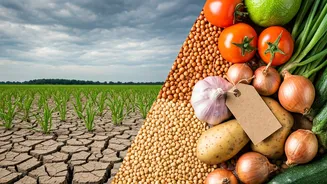



The Kharif Crop's Liquid Gold
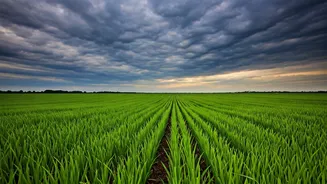
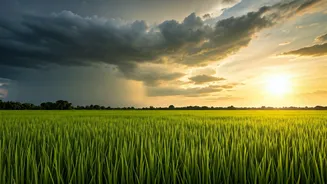
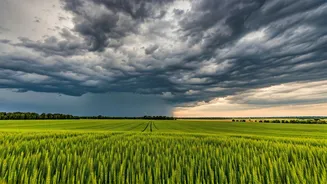
The southwest monsoon, which typically sweeps across the country from June to September, is the backbone of India's agricultural calendar. It delivers about 70% of the country's annual rainfall and is especially critical for Kharif, or summer, crops.
These crops, including essentials like rice, maize, soybeans, and cotton, are sown at the beginning of the monsoon. Their success is directly tied to the timeliness and adequacy of these rains, as nearly half of India's farmland lacks access to irrigation and is entirely rain-fed. A strong, evenly distributed monsoon replenishes reservoirs and groundwater, ensuring soil moisture that is vital for planting and early growth. For millions of farmers, the first showers are a signal to begin sowing, setting the stage for the agricultural output that will feed the nation and fuel the rural economy.
The Perils of 'Too Much' or 'Too Little'
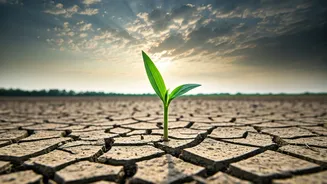
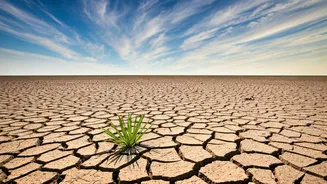
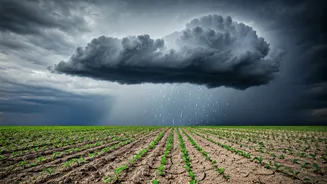
The performance of the monsoon is a delicate balance. It's not just the total volume of rain that matters, but also its distribution over time and geography. Deficient rainfall, or drought, leads to crop stress, reduced yields, and in severe cases, complete crop failure. This directly impacts farmers' incomes and can trigger rural distress. Conversely, excessive rainfall can be just as destructive. Intense downpours can cause flooding, waterlogging fields, and leading to crop damage from issues like stem rot or flower drop. Erratic patterns, such as long dry spells followed by short, intense bursts of rain, are also detrimental. A dry spell during a critical growth stage, like flowering or grain-filling, can cause irreversible damage even if the total seasonal rainfall is normal.
The 2026 Monsoon: A Cause for Concern
The outlook for 2026 has raised alarms. After one of the driest Junes in over a century, with rainfall nearly 40% below normal, the India Meteorological Department (IMD) has forecasted a below-normal monsoon for July as well. This is attributed to strengthening El Niño conditions in the Pacific Ocean, a phenomenon historically linked to weaker monsoon rains in India. As of late June, kharif sowing was reported to be lagging due to the delayed onset and weak progress of the monsoon, particularly for crops like cotton and oilseeds. While some regions in the northwest and northeast are expected to receive normal to above-normal rain, most of the country faces the prospect of subdued rainfall and above-normal temperatures, a combination that could put significant pressure on agricultural production.
Ripple Effects Across the Economy
The impact of a poor monsoon extends far beyond the farm gate. A weak harvest can stoke food inflation, pinching household budgets across the country. With agriculture being the largest source of employment, reduced farm incomes lead to a slump in rural demand for goods and services, from tractors to fast-moving consumer goods, which can slow overall economic growth. While the government often points to buffer stocks of grains like wheat and rice as a cushion, a shortfall in production of pulses, oilseeds, and vegetables can still drive up prices. The Reserve Bank of India has also cautioned that weather-related shocks remain a key risk to the nation's growth and inflation outlook.
Building Resilience for a Changing Climate
While India's economy is less dependent on agriculture than it was decades ago, the monsoon's influence remains profound. Recognizing this vulnerability, there is a growing focus on building resilience. The expansion of irrigation infrastructure has been a key step, with the share of irrigated farmland growing significantly. Government initiatives are promoting climate-resilient agriculture, including the use of drought-resistant crop varieties and water-efficient cultivation methods. Contingency plans that guide farmers on crop choices and water use during dry spells are also becoming crucial tools. These efforts, combined with better reservoir management and adequate fertilizer stocks, aim to cushion the agricultural sector from the vagaries of erratic rainfall.