





The New Arteries of Eco-Tourism
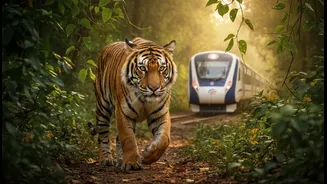
The sleek, semi-high-speed Vande Bharat trains have rapidly become symbols of a modernising India, shrinking travel times between major urban centres. While their primary role is connecting business and population hubs, a powerful secondary benefit is emerging:
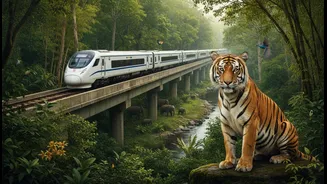
making wildlife tourism more accessible than ever. By linking major cities to stations near iconic national parks, these trains can serve as the arteries for a new kind of eco-tourism—one that is faster, greener, and more economically inclusive. The idea is simple yet transformative: use this 21st-century infrastructure to better connect people with nature, reducing reliance on cars and planes while spreading the economic benefits of tourism deeper into regional areas.
Current Gateways and Untapped Potential
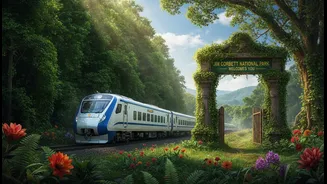
Several national parks are already within reach for those willing to combine a Vande Bharat journey with a short road trip. For instance, travellers can take a Vande Bharat train to Sawai Madhopur Junction for Ranthambore National Park in Rajasthan, a station well-connected to major cities. Similarly, the train to Mysuru brings tourists within a two-hour drive of Bandipur National Park, part of the Nilgiri Biosphere Reserve. For Gir National Park, the world's only home for Asiatic lions, the Vande Bharat service to Veraval has cut down travel time significantly, leaving just a 45 km road journey to the Sasan Gir entrance. Even Jim Corbett National Park, India's oldest, is becoming more accessible. While the nearest major station is Ramnagar, a Vande Bharat to Dehradun or Moradabad followed by a connecting train or a few hours by road is a viable option. These examples showcase the existing, almost accidental, network. The real opportunity lies in intentionally developing these routes as dedicated wildlife corridors.
The Green and Economic Argument
Shifting tourism from roads and air to rail presents a compelling environmental case. Trains have a significantly lower carbon footprint per passenger than cars or planes, aligning perfectly with the principles of sustainable and responsible travel. For destinations as ecologically sensitive as national parks, minimising the environmental impact of visitor access is paramount. Beyond the green benefits, strengthening rail access creates a powerful economic ripple effect. It encourages the growth of local economies around gateway stations, supporting everything from taxi services and hotels to restaurants and local guides. Initiatives like the Indian Railways' 'One Station One Product' scheme could further empower local artisans by providing a marketplace for their goods at these tourist-heavy stations. This model helps distribute tourism revenue more equitably, moving it from large urban centres to the communities living on the peripheries of these conservation areas.
The Critical Challenge: Last-Mile Connectivity
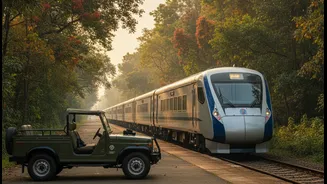
Despite the promise, a significant hurdle remains: last-mile connectivity. Arriving at a railway station is only half the battle; the journey from the station to the park entrance must be seamless, safe, and affordable. Currently, this leg of the trip often relies on unorganised taxis or infrequent local buses, which can be a deterrent for many tourists, especially those travelling with families or on a budget. For rail-based wildlife tourism to truly flourish, a concerted effort is needed to develop integrated transport solutions. This could involve dedicated, timed shuttle services from stations like Sawai Madhopur or Ramnagar to the respective park gates, public-private partnerships for reliable EV cab services, and clear information hubs at stations to guide tourists. Without addressing this gap, the full potential of the Vande Bharat network as a tourism driver will remain unrealised.
A Blueprint for the Future
Creating a robust Vande Bharat-linked wildlife tourism network requires a deliberate strategy. Indian Railways has previously shown interest in promoting wildlife circuits, such as the Tiger Express, which offered package tours to parks in Madhya Pradesh. A similar, modernised approach could be applied to Vande Bharat routes. This would involve collaboration between the Ministry of Railways, the Ministry of Tourism, and state forest departments. Key steps would include identifying and promoting official wildlife gateway stations, investing in last-mile transport infrastructure, and offering integrated booking packages that combine train tickets, local transfers, and park safaris. Stations like Sawai Madhopur, which have been beautified with wildlife art, serve as a small-scale model for how stations can be themed to enhance the tourist experience from the moment they step off the train.