




From Sightseeing to Soul-Searching
Wellness travel is no longer a niche concept reserved for luxury spa-goers. For a growing number of young Indians, it's becoming the default mode of vacationing. This type of travel is defined not by the destination, but by intention. It's the conscious
choice to use a getaway to enhance physical, mental, and spiritual well-being. Instead of ticking off landmarks, the goal is to return home genuinely rejuvenated. This can mean anything from a structured yoga program in Rishikesh to a digital detox in the quiet hills of Uttarakhand or an Ayurvedic retreat in Kerala. The focus is on immersive, culturally significant experiences that offer a deeper sense of restoration.
The Post-Pandemic Quest for Calm
The massive shift towards wellness-focused getaways has been significantly accelerated by the COVID-19 pandemic. Years of lockdowns, digital fatigue, and heightened anxiety left many, especially urban professionals, feeling burnt out. This has led to a collective re-evaluation of priorities, with mental health taking center stage. One study revealed that 84% of Indian travelers now plan to prioritize their mental well-being more than they did before the pandemic. Vacations are now seen as a necessary tool to counteract the stress of modern life and build resilience, not just a frivolous escape.
The New Travel Itinerary
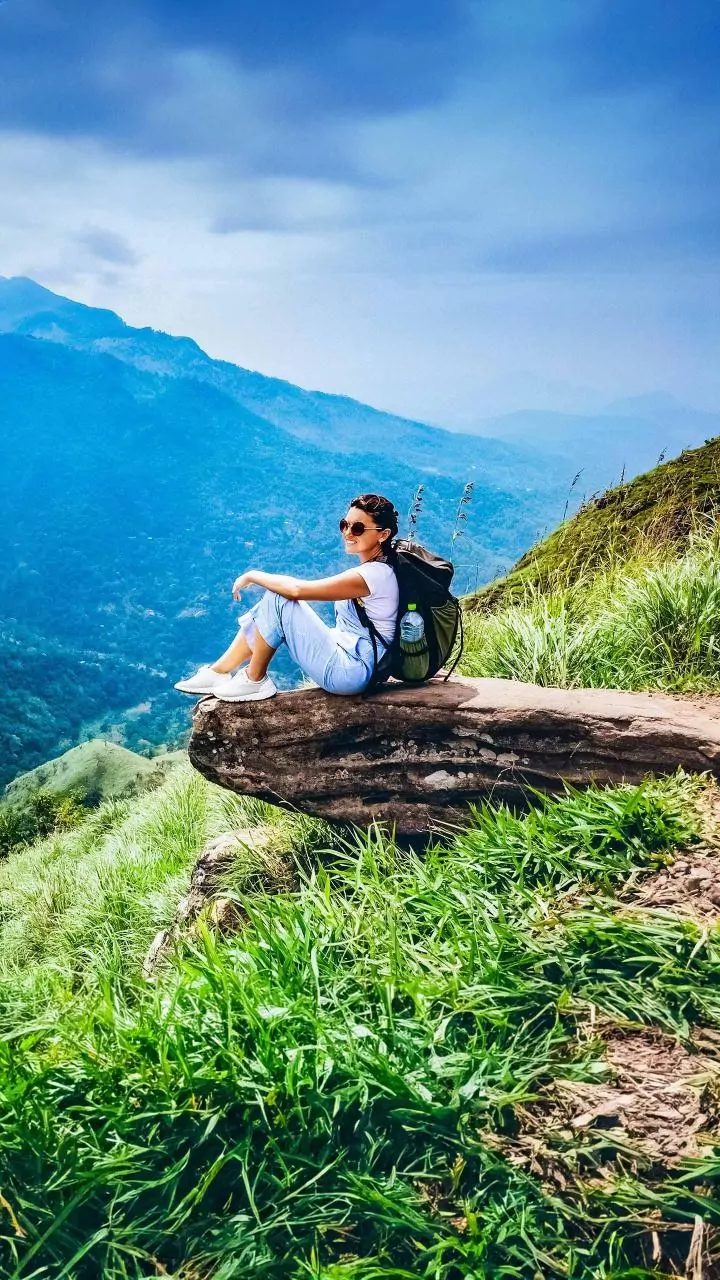
So, what does a wellness itinerary look like? It’s less about doing and more about being. Activities are centered around nourishment for the mind and body. Popular options include structured yoga and meditation programs, holistic healing therapies, and nature-based experiences like trekking and forest bathing. There's a growing demand for digital detox programs, where travelers disconnect from their devices to reconnect with themselves. Even food plays a central role, with an emphasis on healthy, locally sourced cuisine. The goal isn't to see a place, but to experience it in a way that promotes balance and inner peace.
An Investment in Well-Being
This trend also reflects a broader change in consumer preferences among India's millennials and Gen Z. Young Indians are increasingly willing to invest their disposable income in experiences rather than material possessions. They see a wellness retreat not as an expense, but as an investment in their long-term health. The Indian wellness tourism market is growing at a remarkable pace, with some estimates projecting it to expand significantly in the coming years. The travel industry has taken note, with hotels, resorts, and tour operators now curating specialized packages that cater to this health-conscious demographic.
The Aesthetic of Serenity
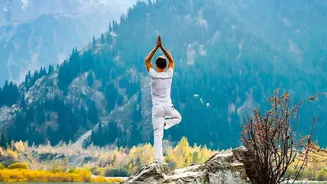
Social media plays a complex but undeniable role in this trend. While often blamed for creating pressure and anxiety, platforms like Instagram have also helped popularize the aesthetic of serenity. Picturesque yoga poses against a mountain backdrop or tranquil infinity pools overlooking a forest have made wellness destinations highly aspirational. These visually appealing portrayals have introduced a wider audience to the concept of a restorative holiday, moving it from a niche interest into the mainstream. For many young travelers, the journey to wellness is one they are happy to share, inspiring others to seek their own peaceful getaways.