








Why Ticks Thrive in the Monsoon
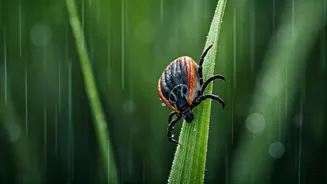
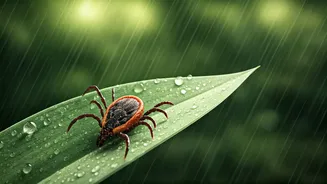
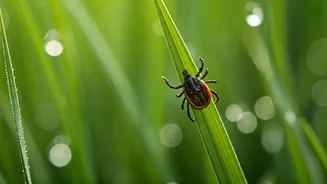
The rainy season creates the perfect environment for ticks to flourish. High humidity and moisture are ideal for their breeding cycle, and the overgrown grass and dense foliage offer them the perfect habitat to wait for a host. These tiny arachnids are not
just a nuisance; they are vectors for a number of serious illnesses, making prevention a critical part of enjoying the monsoon safely. In India, the monsoon period often sees a spike in vector-borne diseases, and tick-related illnesses are a significant concern. The combination of warm temperatures, high humidity, and abundant vegetation means that anyone venturing outdoors, whether in forests, parks, or even their own garden, is at an increased risk of an encounter.
Know the Dangers: Tick-Borne Diseases in India
Ticks in India can transmit several serious diseases that every outdoor enthusiast should be aware of. One of the most well-known is Kyasanur Forest Disease (KFD), also called 'Monkey Fever'. First identified in Karnataka, KFD is a viral haemorrhagic fever that presents with symptoms like high fever, headache, muscle pain, and can lead to bleeding and neurological issues. It has a fatality rate of 3-10% and affects hundreds of people annually in the Western Ghats region. Another significant threat is Crimean-Congo Hemorrhagic Fever (CCHF), a widespread viral disease transmitted by Hyalomma ticks. First confirmed in India in Gujarat in 2011, CCHF can cause severe outbreaks with a high case-fatality rate. Symptoms begin with fever and muscle ache, progressing to severe bruising and bleeding. While less common, other infections like Lyme disease and certain forms of typhus are also transmitted by ticks found in the country.
Before You Go: How to Prepare
Prevention is the most effective strategy against tick bites. Before you head out for a walk, dress smartly. Opt for light-coloured clothing, which makes it easier to spot ticks. Wear full-sleeved shirts and long pants, and consider tucking your pants into your socks for an extra layer of protection against ticks crawling up your legs. Applying an insect repellent is also a crucial step. Use a repellent containing DEET or picaridin on exposed skin. For your clothing and gear, you can use products containing permethrin, which repels and kills ticks on contact and remains effective through several washes. Always follow the product instructions, especially when applying repellents to children.
During the Walk: Staying Vigilant
While enjoying the scenery, a little bit of caution goes a long way. Try to walk in the centre of trails, avoiding tall grass, leaf litter, and dense brush where ticks are most likely to be waiting. If you stop for a rest, choose a clear, open spot rather than sitting directly on the ground or on logs in wooded areas. Keep a close eye on children and pets, as they are often less cautious about running through undergrowth. These simple habits can significantly reduce your chances of picking up an unwanted passenger during your walk.
After the Walk: The Crucial Tick Check
Once you are back indoors, the post-walk routine is just as important as the pre-walk preparation. Conduct a thorough, full-body tick check on yourself, your children, and your pets. Ticks love warm, moist places, so be sure to check under the arms, in and around the ears, inside the belly button, behind the knees, between the legs, and in the hair. It’s also wise to check your gear and clothing. Ticks can hitch a ride into your home on a backpack or a jacket. Taking a shower within two hours of coming indoors has been shown to reduce the risk of tick-borne diseases, as it can wash off unattached ticks and provides another opportunity for a thorough check.
Found a Tick? Here’s How to Remove It Safely
If you find a tick attached to your skin, don't panic. The key is to remove it as soon as possible. Use a pair of fine-tipped tweezers to grasp the tick as close to the skin's surface as you can. Pull upward with steady, even pressure. Do not twist or jerk the tick, as this can cause the mouth-parts to break off and remain in the skin. If this happens, try to remove the mouth-parts with tweezers, but if you can't, leave it alone and let the skin heal. After removing the tick, thoroughly clean the bite area and your hands with rubbing alcohol, an iodine scrub, or soap and water. Avoid folklore remedies like painting the tick with nail polish or using heat; these methods are not effective and may increase your risk of infection.
Don't Forget Your Furry Friends
Pets are especially vulnerable to ticks during the monsoon. Regularly inspect your dog or cat after they have been outside, paying close attention to their ears, paws, and underbelly. There are many effective tick prevention products available, including spot-on treatments, medicated collars, and oral tablets. Consult your veterinarian to choose the best and safest option for your pet. Keeping your yard tidy by mowing the grass and clearing away leaf litter can also help reduce the tick population around your home. If you find a tick on your pet, remove it using the same tweezer method as for humans.