




The New 'Cost-Per-Wear' Mentality
The conversation around clothing is changing. Instead of asking 'how much does it cost?', discerning shoppers are now asking 'what is its value?'. This shift is rooted in the concept of 'cost-per-wear'. An expensive but well-made white shirt worn 50 times
offers more value than a cheap, trendy top that loses its shape after three washes. Reports from early 2026 show a maturing Indian fashion market where consumers are moving from volume-led buying to intentional, quality-driven purchases. This isn't just about saving money; it's a more confident and discerning approach to building a wardrobe. People want longevity and confidence in what they buy, justifying higher spending with tangible value like superior craftsmanship and durability. This marks a significant move away from the impulsive consumption that defined the fast-fashion boom.
Sustainability and Celebrity Influence
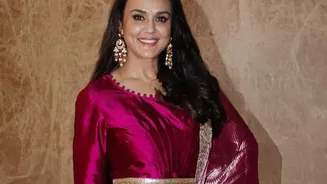
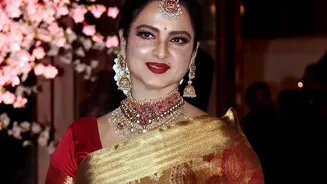
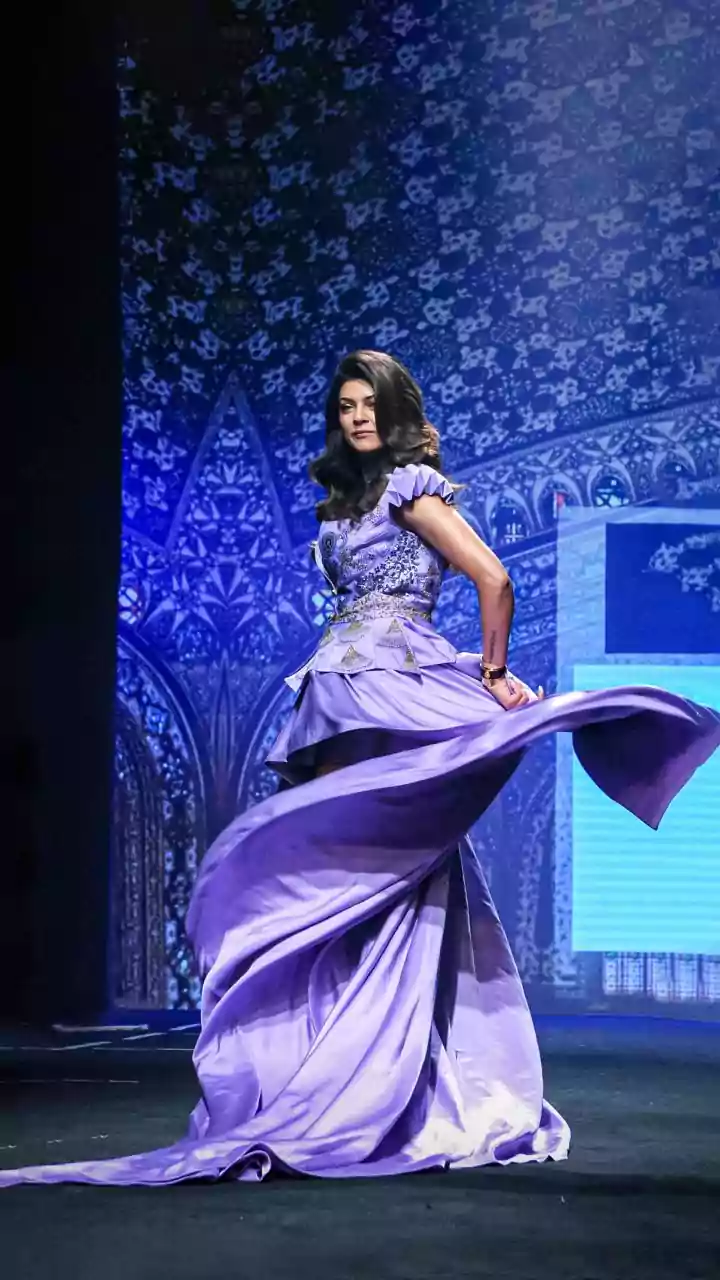
The stigma once associated with repeating outfits is fading, thanks in large part to two powerful forces: a growing consciousness around sustainability and the influence of celebrities. The fast fashion industry is one of the world's largest polluters, a fact that is not lost on younger, more informed Indian consumers. Gen Z and millennials are increasingly seeking out brands with transparent supply chains and ethical practices. This shift is amplified when stars like Deepika Padukone, Alia Bhatt, and Sara Ali Khan proudly re-wear their outfits, from wedding sarees to casual dresses, on public platforms and red carpets. When Alia Bhatt wore her wedding saree to receive a National Award, it sent a powerful message: treasuring and reusing cherished pieces is admirable. This normalisation from the top-down makes repeat-wear not just acceptable, but fashionable and responsible.
The Rise of the Quality Basic
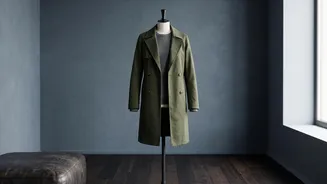
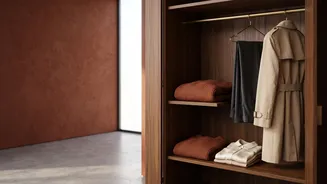
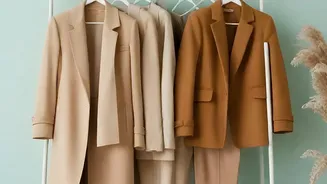
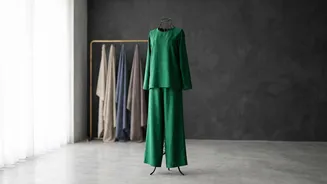
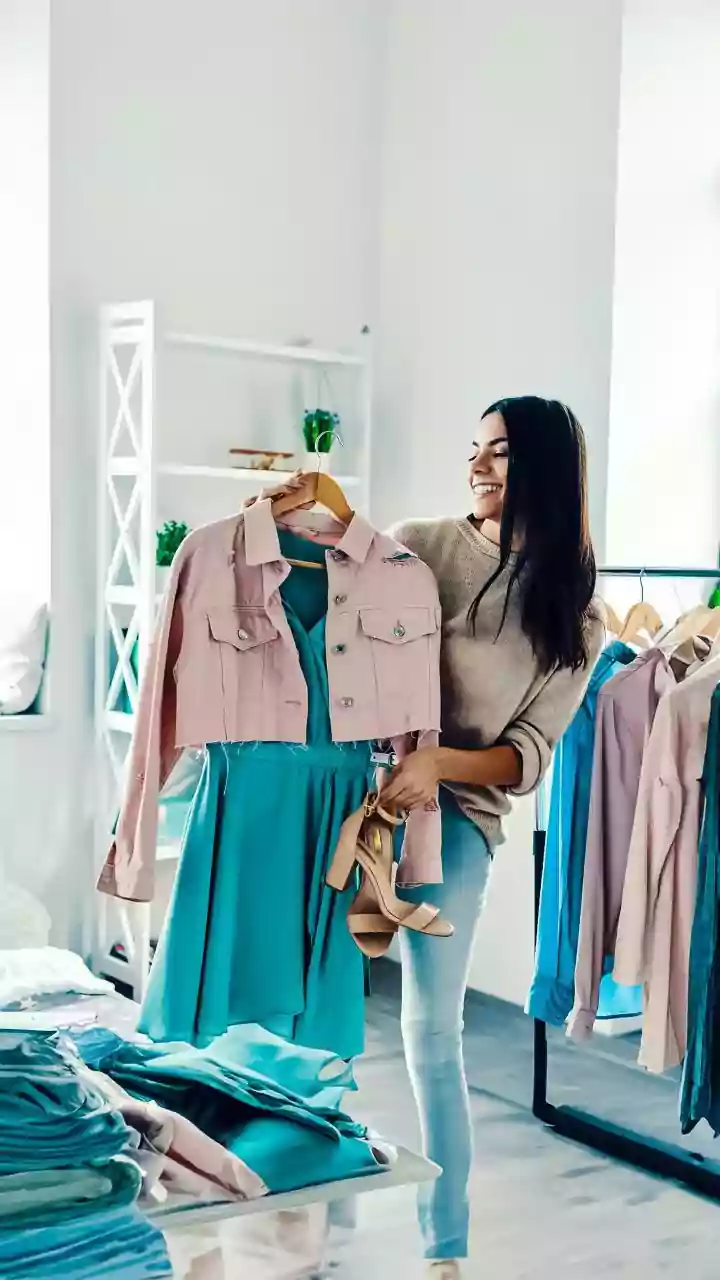
This new mindset has put a spotlight on the most functional part of our closets: everyday basics. For a long time, the Indian ethnic wear market was polarised between heavy, impractical occasion wear and low-quality daily wear. Now, a middle ground is emerging. Consumers are looking for high-quality, versatile pieces that can be worn frequently and styled differently. Think perfectly tailored kurtas, durable cotton trousers, and classic shirts made from breathable fabrics like linen and modal. These are no longer considered 'boring' but are seen as the foundational building blocks of a smart, sustainable wardrobe. The focus is on fabric quality, comfort, and timeless design that endures beyond fleeting trends. It's about investing in garments that feel as good as they look, day after day.
How Brands Are Responding
Fashion brands are taking note of this significant shift in consumer behaviour. A growing number of homegrown labels are building their philosophy around sustainability, quality, and versatility. They are championing natural fabrics, timeless silhouettes, and ethical production methods. The narrative is changing from rapid, trend-based collections to creating pieces that are designed to last and be re-worn. This is reflected in their marketing, which now often highlights durability and re-styling possibilities as key selling points. According to a Deloitte India report, brands that offer superior craftsmanship and a strong brand experience are best positioned for future growth as consumers seek meaning and longevity in their purchases. This has also spurred growth in the 'accessible premium' segment, where shoppers are willing to pay more for quality that lasts, especially for items they will wear repeatedly.