




Summer Berries: Antioxidant Powerhouses
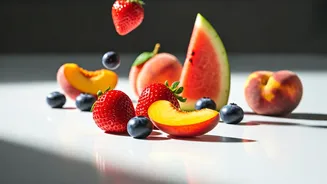
Strawberries, blueberries, raspberries, and blackberries are the undisputed stars of summer. While they’re perfect in pies and on top of yogurt, their real magic lies in their high concentration of antioxidants, particularly compounds called anthocyanins,
which give them their rich red, blue, and purple colors. These antioxidants help protect your cells from damage caused by free radicals, which can contribute to aging and chronic diseases. Furthermore, berries are an excellent source of fiber, which is crucial for digestive health and can help you feel full and satisfied. Studies have also linked regular berry consumption to improved brain function, making them a smart choice for both body and mind.
Watermelon: Nature's Hydration Hero
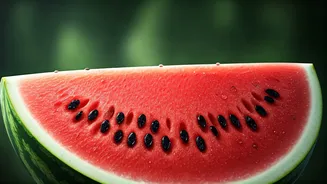
Nothing says summer quite like a slice of juicy watermelon. It’s incredibly refreshing on a hot day for a good reason: it’s about 92% water, making it a delicious way to stay hydrated. But it’s more than just water and sweetness. Watermelon is one of the best natural sources of lycopene, an antioxidant responsible for its red flesh that’s linked to heart and skin health. It also contains an amino acid called citrulline, which the body can convert into arginine, an essential amino acid that helps improve blood flow and may benefit cardiovascular health. So next time you're feeling parched, skip the sugary sports drinks and grab a slice of nature’s perfect hydrator.
Fall Apples: A Boost for Gut Health
An apple a day isn’t just a saying; it’s sound advice rooted in solid nutrition. As the air turns crisp in the fall, apples reach their peak. They are a fantastic source of soluble fiber, particularly pectin. Pectin acts as a prebiotic, meaning it feeds the good bacteria in your gut, promoting a healthy microbiome. A well-balanced gut is linked to better digestion, a stronger immune system, and even improved mood. Apples also contain an important flavonoid called quercetin, which has antioxidant and anti-inflammatory effects. For the biggest fiber and nutrient bang, be sure to eat the skin—it’s where much of the good stuff is concentrated.
Pomegranates: Anti-Inflammatory Jewels
Appearing in late fall and early winter, pomegranates can seem intimidating with their tough exterior, but the vibrant, jewel-like seeds (called arils) inside are worth the effort. Pomegranates are loaded with unique and powerful antioxidants called punicalagins and punicic acid. In fact, studies suggest the antioxidant activity of pomegranate juice can be even stronger than that of red wine and green tea. These compounds are believed to have potent anti-inflammatory effects throughout the body. Chronic inflammation is a driver of many serious conditions, so incorporating anti-inflammatory foods like pomegranate arils into your diet is a delicious defensive strategy.
Winter Citrus: Your Immune-Boosting Ally
When winter arrives, the bright, zesty flavors of oranges, grapefruits, lemons, and clementines feel like a burst of sunshine. It’s no secret that citrus fruits are famous for their high vitamin C content, a vital nutrient for a healthy immune system. Vitamin C helps encourage the production of white blood cells, which are key to fighting off infections. But their benefits don't stop there. Citrus is also packed with flavonoids, plant compounds that contribute to heart health and may have anti-inflammatory properties. A simple glass of fresh orange juice or a squeeze of lemon in your water is an easy way to get these benefits.