



An Introduction to the Flavours
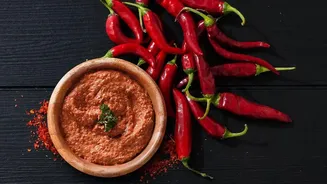
At the heart of this culinary shift are two stars: the notorious Bhut Jolokia and a diverse family of fermented condiments. The Bhut Jolokia, or 'ghost pepper', once held the title for the world's hottest chilli and is native to the Northeast. Its intense
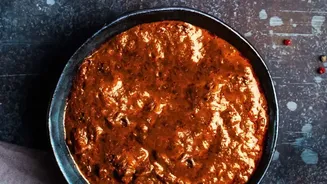
heat is not just a gimmick; it carries a distinct smoky aroma and is a staple in regional curries and chutneys. Alongside this fiery icon are fermented ingredients like Axone (pronounced 'akhuni'), a pungent soybean paste from Nagaland. This ingredient, characterized by its strong, savoury aroma, is a powerhouse of umami—that coveted fifth taste that gives food a deep, satisfying flavour. Similar fermented products include 'ngari' from Manipur (fermented fish) and 'tungrymbai' from Meghalaya, each contributing a unique, complex character to dishes.
From Regional Kitchens to Urban Plates
For generations, these ingredients were mainstays of home cooking across Nagaland, Manipur, Assam, and neighbouring states, used to flavour everything from pork and fish curries to vegetable stews. Their journey into mainstream urban cafés is a recent phenomenon, driven by a new generation of chefs and a growing curiosity among diners. Chefs are increasingly looking beyond conventional ingredients, seeking out hyper-regional produce to create unique culinary experiences. Pop-ups in cities like Bengaluru and Delhi featuring authentic Naga chefs and their ingredients have drawn significant attention, demystifying a cuisine often misunderstood. This trend is part of a larger movement towards celebrating India's vast culinary diversity, moving past the standard pan-Indian restaurant fare.
A New Definition of Spicy and Savoury
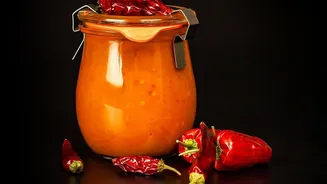
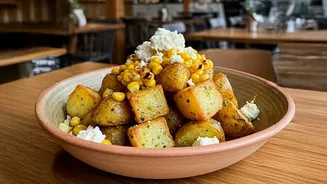
So how are these potent ingredients being translated for the urban café-goer? It’s all about innovation. Instead of serving traditional preparations as is, chefs are integrating these flavours into familiar formats. You might find a burger slathered with a Bhut Jolokia-infused aioli, offering a fiery kick that’s more nuanced than a generic hot sauce. Momos are being served with a chutney enriched with the umami depth of Axone. Some chefs are creating dips and sauces that blend the pungent notes of fermented soybeans into a smoother, more approachable condiment for sandwiches and appetisers. This fusion allows diners to experience these bold flavours without needing a full immersion into traditional Naga or Manipuri cuisine, making the experience accessible and exciting.
More Than Just a Food Trend
The appearance of Axone and Bhut Jolokia on city menus is more than a fleeting trend; it represents a significant cultural bridge. For years, the pungent aroma of fermented foods from the Northeast has been a point of contention and misunderstanding, as depicted in popular culture. By embracing these ingredients, the urban food scene is helping to dismantle stereotypes and foster a greater appreciation for the region's rich food heritage. It’s a validation of ancestral cooking techniques and a celebration of flavours that have been perfected over generations. This culinary exchange enriches the national palate, proving that the future of Indian food is not just about looking outward, but also inward, to the incredible diversity within our own borders. Every dish served is a story of origin, tradition, and now, modern interpretation.