


Immediate Action: The First 30 Minutes
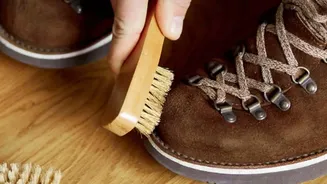
What you do the moment you walk in the door can make all the difference. Don't just kick off your wet shoes and forget them. First, wipe off any surface mud and grime with a damp cloth; scrubbing can push dirt deeper into the fabric. Next, remove the insoles
and laces. This opens up the shoe, allowing air to circulate freely and letting each part dry separately, which is crucial for preventing that lingering damp smell. This simple prep work sets the stage for effective drying and prevents moisture from getting trapped.
The Newspaper Method: An Old Trick That Works
The classic method of stuffing shoes with newspaper is popular for a reason: it's highly effective. Newspaper's absorbent paper pulls moisture from deep inside the shoe while helping it maintain its shape. Loosely crumple balls of newspaper and stuff them all the way to the toe. For very wet shoes, you may need to replace the paper every few hours as it becomes saturated. Avoid using pages with heavy ink on light-coloured interiors to prevent smudging. This technique is gentle enough for most materials and significantly speeds up the drying process compared to just air-drying alone.
A Guide for Different Materials
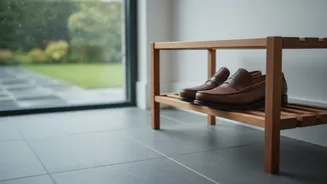
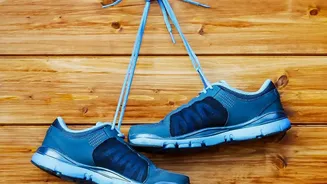
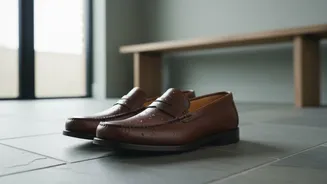
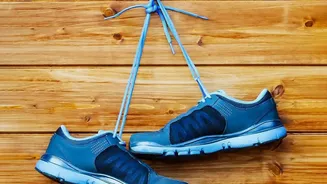
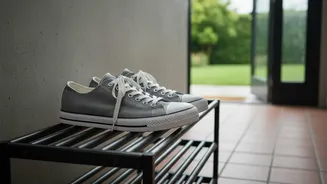
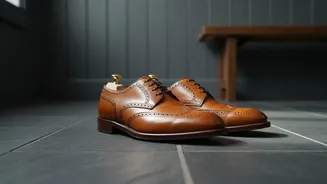
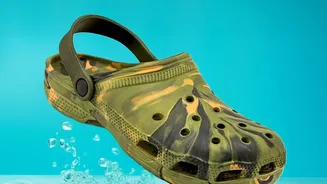
Not all shoes are created equal, and the wrong drying method can cause permanent damage. For leather, always air dry away from direct heat. Heat from a radiator or hairdryer can cause leather to stiffen, crack, and warp. After wiping them down, insert cedar shoe trees or newspaper and let them dry naturally on their side in a well-ventilated room. Canvas and fabric sneakers are more resilient. After stuffing with newspaper, you can place them in front of a fan to speed up drying. The constant airflow is one of the most efficient ways to tackle dampness in fabric shoes. For synthetics and rubber footwear, a simple wipe-down followed by air drying is usually sufficient.
Battling Odour and Preventing Mould
Dampness is a breeding ground for bacteria, which causes unpleasant odours. Once your shoes are mostly dry, you can tackle any lingering smells. A simple and effective home remedy is to sprinkle baking soda inside the shoes and leave it overnight to absorb odours and residual moisture. You can then vacuum or shake out the powder in the morning. For a mess-free option, place some baking soda or even dry coffee grounds in a small pouch or an old sock and leave it inside the shoe. To prevent mould, ensure your shoes are completely dry before storing them, and never keep them in a sealed bag or a damp, dark closet. Good air circulation is key.
What to Avoid: Common Drying Mistakes
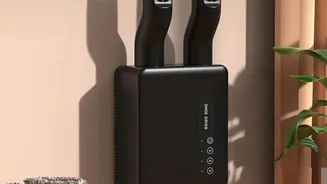
In a rush, it's tempting to use quick fixes, but many do more harm than good. Never place your shoes, especially leather ones, directly on a radiator, in front of a fire, or use a hairdryer on a high setting. Intense, direct heat can ruin the glue that holds shoes together and make materials like leather and synthetics brittle. Similarly, while drying them in the sun seems logical, prolonged exposure to UV rays can fade colours and damage materials. If you must dry them outside, find a shaded but airy spot. Finally, avoid putting most athletic shoes in a machine dryer, as the tumbling and heat can deform them and compromise their supportive structure.