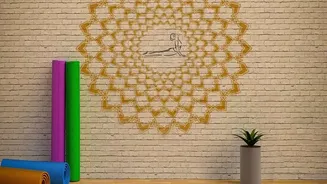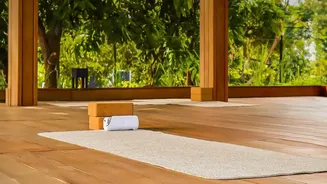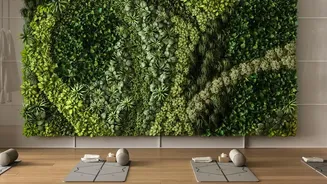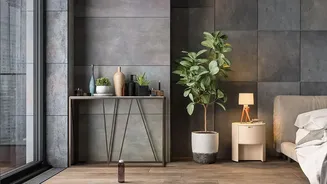


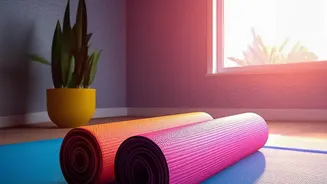
Find Your Dedicated Corner
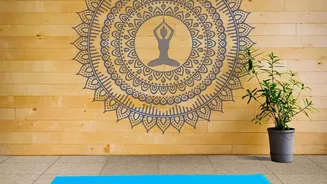
The first step is to choose your space. It doesn't need to be a whole room; a quiet corner in your bedroom or a small, clear area in your living room will do. The key is consistency and intention. Pick a spot with minimal foot traffic and, if possible,
some natural light. This designated area will become a mental cue for your body and mind, signalling that it’s time to slow down and turn inward. The space only needs to be large enough for your mat and to allow you to move without bumping into furniture. By returning to the same spot, you build a ritual that makes rolling out your mat feel like a special event.
Declutter for a Clear Mind
A cluttered space often leads to a cluttered mind. Before you begin your practice, take a few moments to tidy the area. Remove any unnecessary items like piles of laundry, work papers, or half-empty mugs. A minimalist environment helps to minimise distractions and allows your focus to remain on your breath and movement. You don’t need to deep clean every time, but simply clearing the immediate vicinity can do wonders for your mental state. If you can't move larger items, consider using a decorative screen or hanging a curtain to visually separate your sanctuary. Keeping the space simple helps you stay present.
Reimagine Blocks and Bolsters
Yoga blocks and bolsters provide support and help with alignment, but you don't need to buy expensive ones. For blocks, a stack of sturdy, thick books like textbooks or hardcover novels works perfectly. You can also use full water bottles or even tightly taped cardboard boxes. For a bolster, which is great for restorative poses, roll a few thick blankets or bath towels together tightly. Firm sofa cushions or pillows can also offer the support you need to relax into a pose, helping to keep your hips level in Pigeon Pose or providing comfort under your knees.
Create a Makeshift Yoga Strap
A yoga strap is used to extend your reach in stretches, but many household items can do the same job. A bathrobe belt or a long scarf are excellent substitutes. You can also use a necktie or any fabric belt from your wardrobe. Simply loop it around your feet for a seated forward bend to deepen a hamstring stretch without straining your back. A strap is also helpful for shoulder-opening exercises where you might struggle to clasp your hands behind your back; just hold onto the belt with both hands instead. Even a rolled-up towel or a grocery bag can work in a pinch.
Set the Mood with Senses
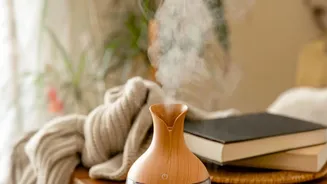
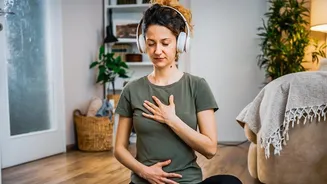
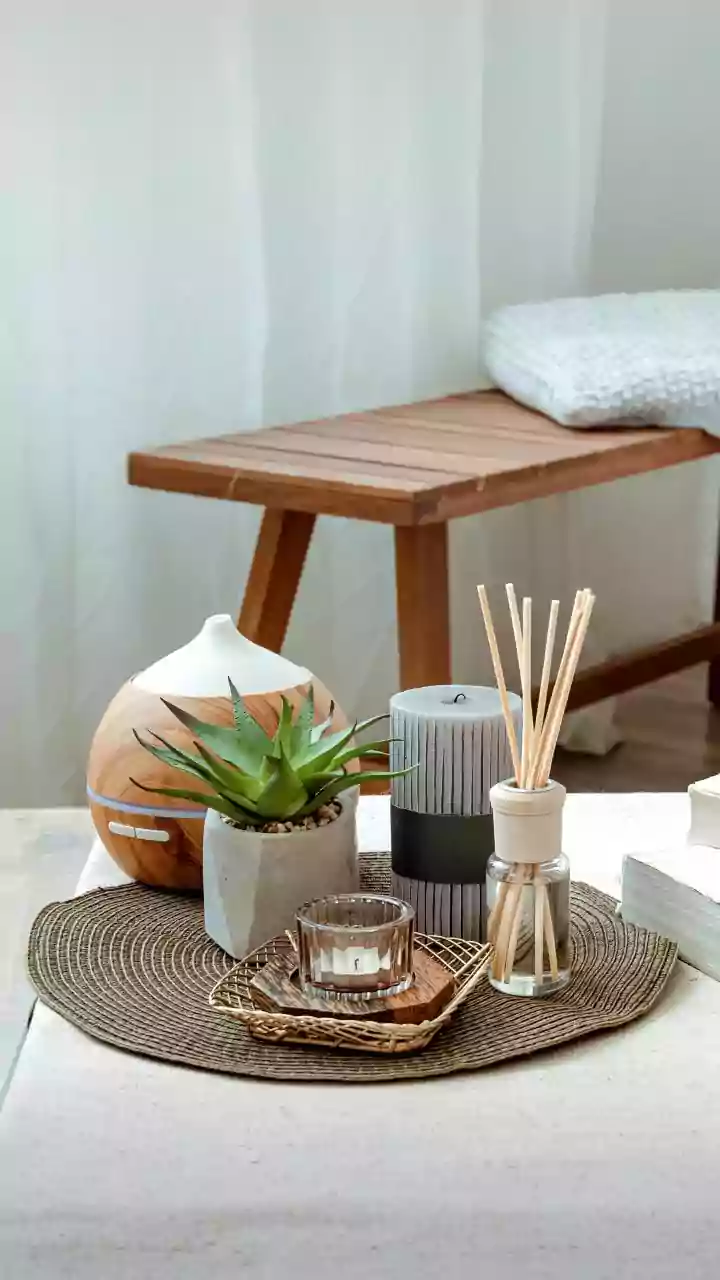
A sanctuary appeals to all the senses. Soft lighting can instantly make a space feel calmer. Instead of harsh overhead lights, use a soft lamp, string lights, or candles (placed safely, of course). For sound, you don't need a fancy speaker system. Your phone can play a curated playlist of calming music, nature sounds, or even a guided meditation. Scent is also a powerful tool for relaxation. Light a favourite incense stick, use an essential oil diffuser, or simply place a few drops of a calming oil like lavender on a cloth nearby. These sensory details signal to your brain that it's time to relax.
Incorporate Personal, Grounding Touches
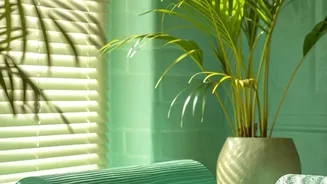
Make the space truly your own by adding small, meaningful items. This is what transforms a simple corner into a sacred sanctuary. Bringing a bit of nature indoors can be incredibly grounding; a small houseplant not only purifies the air but also adds a sense of life and calmness to your space. You might also include an inspirational quote, a piece of art that you love, or a special object that makes you feel at peace. These personal touches serve as reminders of your intention and help create a positive, welcoming environment you’ll look forward to returning to each day.