




Choose a Traditional Homestay
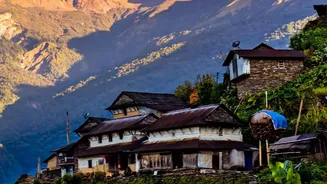
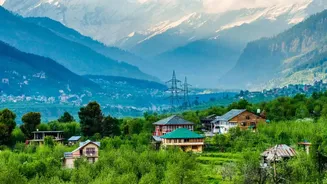
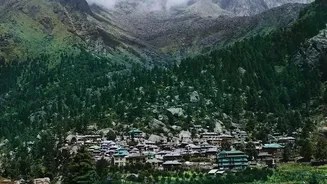
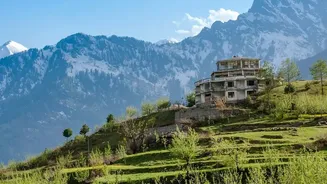
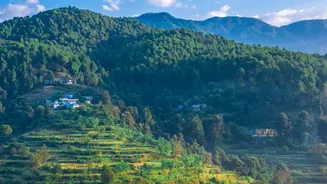
To truly understand the local way of life, skip the hotel and opt for a homestay in one of the valley's serene villages like Gushaini, Nagini, or Sarchi. Many of these homes are built in the traditional Kath-Kuni architectural style, featuring intricate
woodwork and slate roofs. Living with a local family provides an unparalleled opportunity to share meals, listen to stories, and observe daily routines. This immersive experience offers a genuine glimpse into the warmth of Himachali hospitality and the slow, peaceful pace of mountain life. Accommodations range from basic to comfortable, but the richness of the cultural exchange is the real luxury.
Participate in the Apple Harvest
Autumn in the greater Kullu region is synonymous with the apple harvest. While the main season might peak in late summer, many orchards at higher altitudes continue picking into the autumn months. The valley and its surroundings are dotted with apple orchards, and the harvest is a crucial economic and cultural activity for the community. Some farm stays allow guests to witness or even participate in the picking and sorting process. It’s a chance to taste some of the freshest apples, learn about different varieties, and understand the hard work that goes into this vital industry.
Savour Hearty Autumn Delicacies
Himachali cuisine is hearty, flavourful, and designed to provide warmth in the cold climate. Autumn is the perfect time to sample dishes made from fresh, seasonal produce. Ask your host for Siddu, a steamed wheat bread often stuffed with poppy seeds or walnuts and served with ghee. Another must-try is Dham, a traditional festive meal featuring a variety of vegetarian dishes like Madra (chickpea curry in yogurt) and lentil preparations, typically served on special occasions. The Tirthan River is also famous for its trout, and enjoying a freshly grilled or pan-fried fish is a quintessential valley experience.
Witness a Local ‘Mela’ or Festival
The autumn months host several important festivals. The world-renowned Kullu Dussehra, a massive regional event, takes place in October and is a spectacular display of culture, faith, and community. While this is a large-scale affair, smaller village fairs, or 'melas', also occur. During the Sair festival, a harvest celebration, villagers thank the gods for their crops with music and dance. These events are colourful affairs where deities from different villages are brought together, and locals dress in their finest traditional attire. Respectful observation is almost always welcome and offers a deep dive into local customs.
Explore Villages and Learn Local Crafts
The best way to experience Tirthan is on foot. Take leisurely walks to nearby villages, each with its own unique character. Visit historic structures like the Chehni Kothi, an impressive tower built in the traditional style. This is also a region known for its handicrafts. Inquire about local artisans who practice weaving, a craft that produces the beautiful patterns seen in Kullu shawls and caps. Some communities may hold local craft fairs during this season, providing an excellent opportunity to buy authentic, handmade souvenirs and support the local economy directly.
Connect with Respect and Openness
The people of Tirthan Valley are known for their warmth, but it's important to approach interactions with respect. The region is deeply religious, with many temples and sacred grounds; always ask before taking photographs of people or religious sites. Learn a few basic words in Hindi or the local Pahari dialect as a sign of respect. Engaging with local guides for treks or cultural tours not only enriches your experience with their deep knowledge but also contributes to the local economy. The most memorable cultural experiences come from genuine, respectful curiosity and a willingness to listen and learn.