





The Double Burden
India is grappling with a phenomenon known as the "double burden of malnutrition." This means the country is fighting two battles at once: the persistent challenge of undernutrition, such as stunting and wasting in children, coexisting with a rapid increase
in overnutrition, like obesity and overweight adults. While child stunting has seen a welcome decline, it remains a significant concern, particularly in poorer, rural states like Bihar and Jharkhand. At the same time, urban centres and more affluent states like Punjab and Kerala are witnessing a surge in lifestyle-related diseases such as diabetes and hypertension, which are linked to obesity. This dual challenge puts an unprecedented strain on the healthcare system, requiring it to manage both infectious diseases linked to malnourishment and chronic conditions stemming from modern diets.
An Urban-Rural and North-South Divide
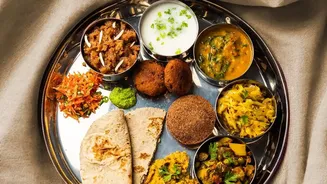
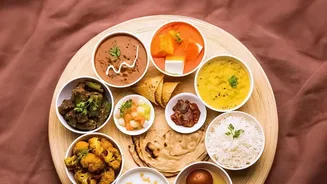
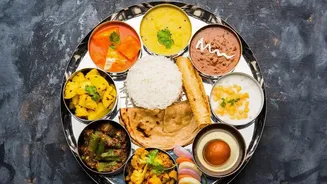
The nutritional landscape is sharply divided by geography and lifestyle. Rural diets, while often higher in total calories from cereals, can lack diversity and essential micronutrients. In contrast, urban diets are changing rapidly. The migration from rural to urban areas is often associated with a shift towards diets higher in energy, fat, and sugar. People in cities consume more processed foods, sugary drinks, and fats, contributing to rising obesity rates. There is also a distinct North-South dietary pattern. Northern diets are predominantly wheat-based, while Southern diets are rice-based. Southern states, along with those in the northeast, tend to show better dietary diversity, whereas central and northern states report alarmingly low diversity, especially among young children.
The Nutrition Transition
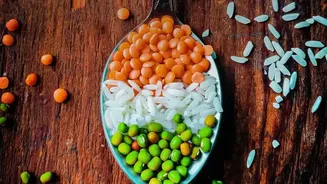
India is in the midst of a "nutrition transition," an epidemiological shift where traditional, high-fibre diets are replaced by processed foods. This change is driven by several factors: rising incomes, rapid urbanisation, and the aggressive marketing of packaged foods. As people's purchasing power grows, there's a tendency to move away from staples like cereals and pulses towards foods high in fat, salt, and sugar. While this transition can lead to some positive changes, such as increased intake of fruits and vegetables for some migrants, it is also a primary driver of the increase in non-communicable diseases (NCDs). The consumption of 'other foods' like chips, biscuits, and juices now contributes to 11% of daily energy intake in urban areas, compared to just 4% in rural India.
Hidden Hunger and Its Consequences
Beyond the visible signs of under and overnutrition lies the problem of "hidden hunger," or micronutrient deficiencies. A large portion of the Indian population, regardless of weight or social class, suffers from a lack of essential vitamins and minerals like iron, vitamin D, and B12. Anaemia remains a major public health concern, particularly among women and children. This deficiency impairs cognitive development, reduces productivity, and increases vulnerability to illness. Even as child stunting rates have fallen, recent data from the National Family Health Survey (NFHS-6) shows that only about 15.3% of children aged 6-23 months receive an adequate diet, indicating a gap in nutritional quality, not just quantity.
More Than Just Food
Nutritional outcomes are not determined by diet alone. A host of other factors play a crucial role. These include access to clean drinking water, sanitation, and quality healthcare. Studies show a strong link between female education and empowerment and better nutritional outcomes for children. An educated mother is more likely to adopt better feeding practices and access healthcare services. Government initiatives like the Swachh Bharat Mission and Ayushman Bharat are therefore critical components of the fight against malnutrition. Ultimately, improving India's nutrition landscape requires an integrated approach that connects agriculture, health, education, and social welfare.