


The Pookalam: A Return to Nature
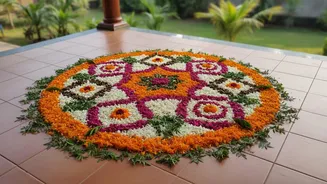
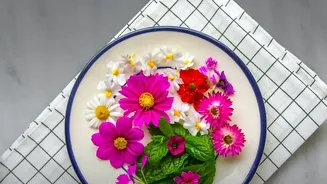
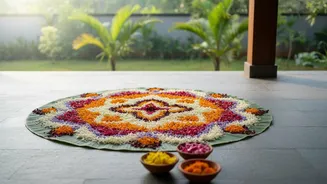
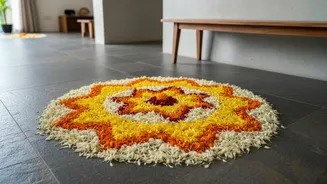
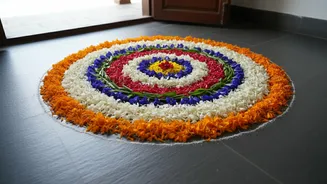
The pookalam, or floral carpet, is the heart of Onam decor. Traditionally, it's a perfect example of sustainable art. To keep it eco-friendly, opt for locally sourced, seasonal flowers like marigolds, jasmine, and hibiscus instead of plastic or dyed alternatives.
These flowers are not only biodegradable but also fill your home with a natural fragrance. For a modern twist, you can incorporate other natural elements like colourful pulses, coloured rice, or leaves. The key is to use materials that can be composted after the festival, returning to the earth. This simple choice reduces plastic waste significantly and keeps the tradition pure.
Doorways and Drapes: Natural Welcomes
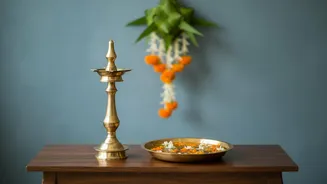
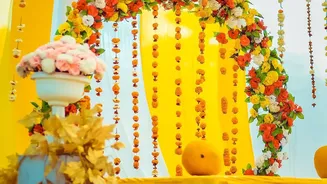
Welcome your guests with decorations that are both beautiful and biodegradable. Instead of plastic thorans (door hangings), create your own using fresh mango leaves and marigold flowers. These are traditional symbols of auspiciousness and can be easily composted. You can also get creative by reusing old materials. Bright, colourful sarees, especially traditional Kerala kasavu fabrics, can be repurposed as elegant drapes for doors, windows, or even as festive table runners and cushion covers, adding a cultural touch without creating new waste.
Lighting: The Warm Glow of Tradition
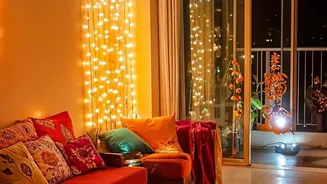
Lighting sets the festive mood as evening falls. Instead of relying on plastic-heavy electronic fairy lights, embrace the timeless glow of traditional lamps. Earthen diyas or clay lamps are an excellent choice; they are inexpensive, consume no electricity, and add a rustic charm. For a more permanent and elegant option, invest in a brass Nilavilakku, a traditional Keralan lamp that can become a family heirloom passed down through generations. Using natural oils in these lamps instead of synthetic options further reduces your environmental footprint.
The Sadhya Setup: An Earth-Friendly Feast
While not strictly decor, the presentation of the Onam sadhya is a huge part of the festive aesthetic and a major source of potential waste. The most traditional and sustainable way to serve the grand feast is on fresh banana leaves. They are completely biodegradable and can be composted right after the meal. Avoid the temptation of disposable plastic plates, cups, and cutlery. If banana leaves are hard to find, consider using reusable wooden or terracotta serveware. Even coconut shells can be repurposed as beautiful, rustic bowls.
Beyond the Festival: Responsible Clean-Up
A sustainable celebration doesn't end when the guests leave. Planning for a green clean-up is just as important. The flowers and leaves from your pookalam and thorans can be added to your home compost bin, turning into nutrient-rich manure for your garden. This creates a perfect circular system where nothing is wasted. If you don't compost at home, check for community composting facilities in your area. Encourage guests to segregate waste and ensure that any non-biodegradable items are sent for proper recycling.