





The Plantation Paradox: A Numbers Game
Across India, large-scale tree plantation drives are a common sight, especially during the monsoon. From Van Mahotsav to state-specific campaigns, the goals are often ambitious, with targets running into crores. However, these events have historically
been criticised for becoming a numbers game. The primary metric for success has often been the number of saplings planted, a figure that is easy to report but reveals little about the long-term ecological impact. Experts and environmental reports have repeatedly highlighted a significant gap between the number of trees planted and the number that actually become established, with survival rates sometimes falling as low as 30-40% in certain areas. This happens for several reasons: a lack of post-plantation care, poor site selection, the use of non-native species, and a general indifference once the ceremonial planting is over. The result is a cycle of expensive, high-publicity events that often fail to create lasting green cover.
Harela: A Cultural Root for Green Change
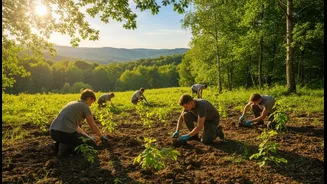
This is where Harela offers a potentially different approach. Harela, meaning “Day of Green,” is a traditional folk festival in Uttarakhand that marks the arrival of the monsoon and the start of the sowing season. Rooted in an agrarian lifestyle, it's a celebration of nature's renewal and has always involved a deep respect for ecology. For generations, families have planted trees during Harela not as part of a government target, but as a cultural practice to ensure fodder, fruit, and fertile soil. In recent years, this tradition has scaled up into a statewide environmental campaign involving government bodies, schools, and local communities. This year, the Uttarakhand forest department plans to plant 59 lakh saplings on July 16 alone. The question is whether its cultural foundation can help it succeed where other drives have failed.
A Shift in Strategy?
There are signs of a conscious shift in focus. Officials are now talking about moving from mere plantation targets to ensuring the long-term health of the trees. For the 2026 Harela drive, there is an emphasis on community participation, with Van Panchayats and local groups involved in the process. One of the most significant changes is the focus on species selection. Instead of planting fast-growing but ecologically unsuitable trees, there is a push for native species that are adapted to the local climate and soil. In Dehradun district, for instance, officials have stated that 50% of the 15.5 lakh saplings to be planted will be fruit-bearing and fodder species, which provide a direct benefit and incentive for local communities to protect them. Some reports also mention the use of monitoring mechanisms like geo-tagging, which could help track survival rates and enforce accountability long after the festival ends.
From Sapling to Established Tree
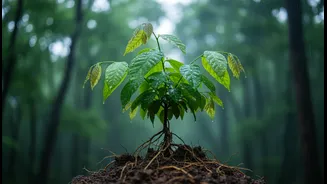
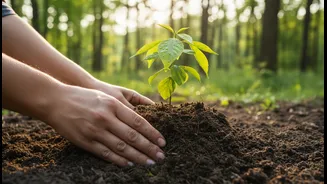
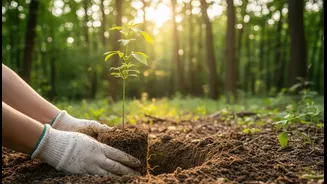
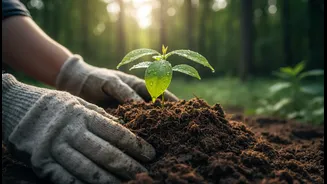
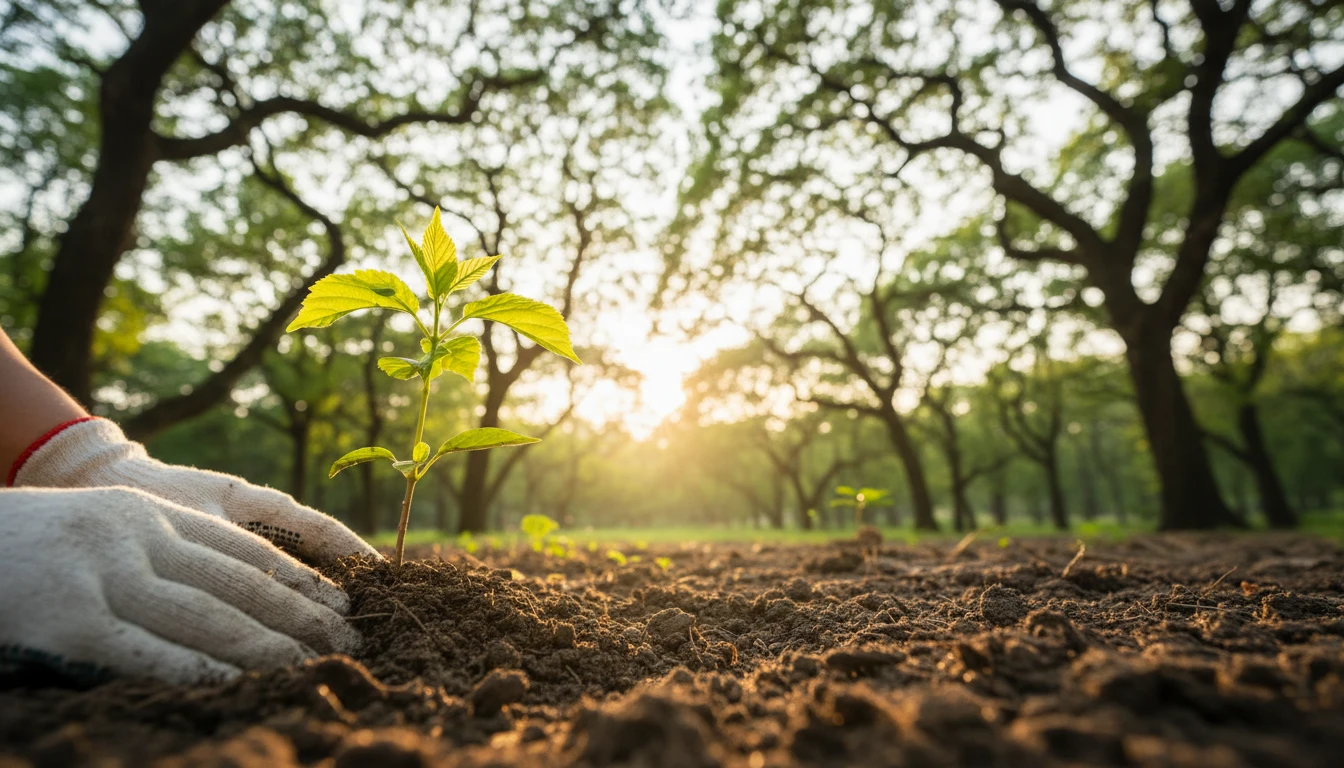
Planting a sapling is only the first step. For a tree to become 'established,' it must survive the critical first few years, a period when most losses occur. This requires more than just good intentions. Key factors include selecting healthy saplings, proper planting techniques to avoid transplant shock, and consistent aftercare. This includes regular watering for the first one to two years, mulching to retain soil moisture and suppress weeds, and protection from grazing animals using tree guards. The success of the Harela drive will depend heavily on whether these crucial follow-up actions are systematically implemented. Without a dedicated plan for aftercare, even the most well-intentioned plantation drive risks having a low survival rate.