



The humble neighbourhood park is getting a serious upgrade. Across India's bustling metros, green spaces once reserved for quiet strolls are now buzzing with a new energy, transforming into vibrant, open-air arenas for health and fitness.
From Leisure Lawns to Active Hubs
Not long ago,
a typical city park in India was a place for passive recreation—manicured lawns, benches for evening chats, and perhaps a simple swing set for children. Today, a growing number of these spaces are being reimagined as dynamic fitness zones. Municipal corporations in cities like Delhi, Mumbai, Chennai, and Bengaluru are actively installing a wide range of exercise equipment, turning these public areas into accessible, free-to-use gyms. This shift reflects a fundamental change in how urban Indians view public spaces and personal health. The 'keep off the grass' signs of the past are making way for pull-up bars, air walkers, leg presses, and dedicated tracks for running and jogging.
What's Driving the Fitness Wave?
Several factors are fuelling this transformation. A heightened awareness of health and wellness, significantly accelerated since the pandemic, has led many to seek out convenient and affordable ways to stay active. With conventional gym memberships often being costly, these open-air facilities remove a significant financial barrier, democratising fitness for students, senior citizens, and everyone in between. Government initiatives like the Fit India Movement have also provided a major push, encouraging urban local bodies to develop more infrastructure for physical activity. This has resulted in targeted projects, such as Chennai's plan to develop dozens of new parks and sports grounds, and Delhi's ongoing efforts to add open-air gyms to more neighbourhood parks.
A Look Inside the Modern Urban Park
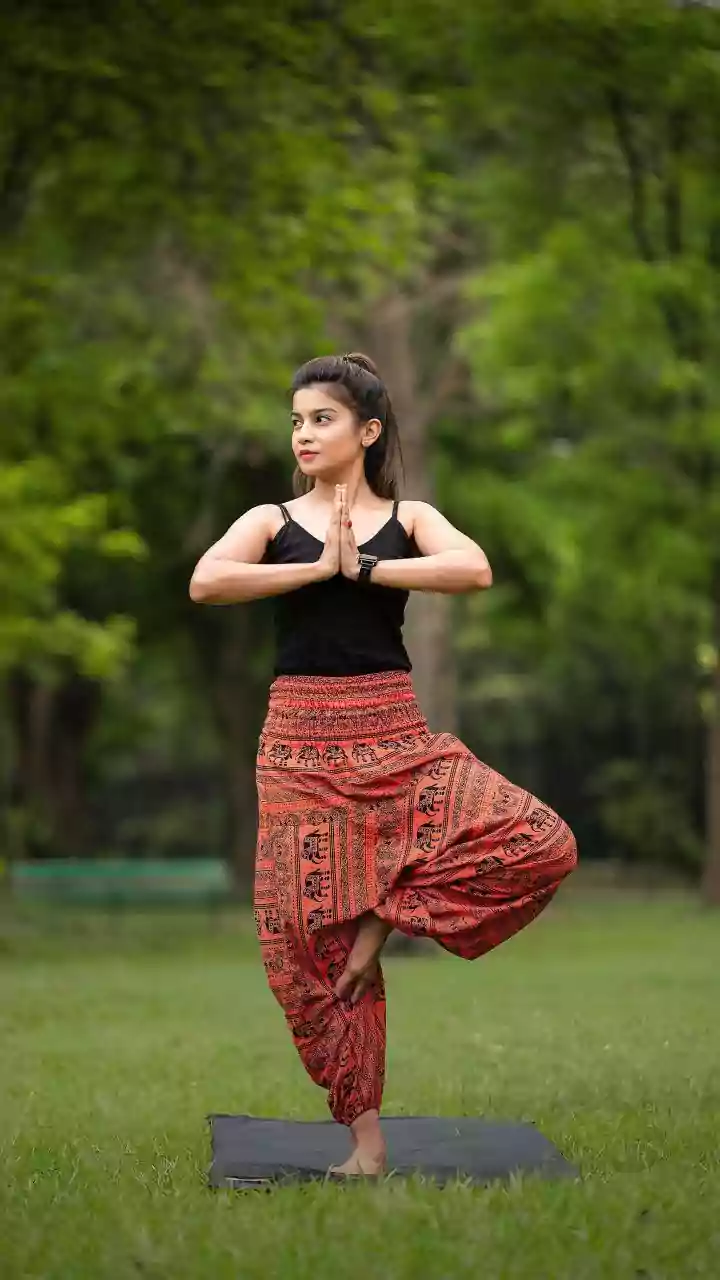
Step into a revamped park like Lodhi Garden in Delhi or Veer Savarkar Udyan in Navi Mumbai, and you'll find a diverse array of equipment catering to different fitness levels. These outdoor gyms typically feature sturdy, weather-proof machines that use body weight for resistance, such as cross-trainers, chest presses, and hip twisters. Beyond the fixed equipment, there is a growing trend of creating specialised zones. In Bengaluru's Cubbon Park, you can find groups practising yoga and meditation in serene corners, while other areas are hubs for joggers and running clubs. The rise of calisthenics, a form of bodyweight strength training, has also led to the installation of parallel bars and pull-up stations, attracting a younger, community-driven crowd in cities like Hyderabad and even smaller towns.
More Than Just a Workout
The evolution of these parks is fostering more than just physical fitness; it's building stronger communities. These spaces have become social melting pots where people of all ages and backgrounds can interact. It’s not uncommon to see senior citizens using the air walker next to a group of young adults practising on the calisthenics bars. Informal groups for laughter yoga, aerobics, and weekend running meets are now a common sight, turning solitary exercise into a shared, motivational experience. This social dimension is crucial, as it transforms parks from mere infrastructure into lively community centres that promote both physical and mental well_being.
The Road Ahead
As this trend continues to grow, city administrations face the ongoing challenge of maintenance and ensuring the equipment remains safe and functional. Funding for these projects often comes from a mix of municipal budgets, MLA constituency funds, and sometimes corporate sponsorships. Looking forward, the focus is on making these spaces even more inclusive, with some parks considering dedicated timings for women or adding equipment suitable for different ability levels. The Ministry of Ayush's 'Yoga Park Portal' further signals a national push to formalise the development of these wellness hubs. This movement is a clear indication that the future of urban planning in India is increasingly focused on integrating health and community directly into the fabric of city life.